Choosing the right Paper Label in 2026 will require more than comparing prices or browsing attractive samples. Packaging teams must consider material performance, adhesive behavior, print quality, recycling goals, and customer expectations. A label that looks excellent on a dry glass jar may wrinkle on a chilled bottle. Small details matter.
The selection process should begin with the product environment. Will the package face condensation, oil, friction, sunlight, or repeated handling? Paper type, coating, adhesive strength, and storage conditions can change the final result. For example, textured paper may create a premium appearance, but fine text can print less sharply on its uneven surface. Gloss coatings improve visual impact, yet they may not suit every sustainability strategy.
Reliable decisions also depend on evidence. Request technical data, production samples, adhesive testing, and clear supplier information before approving a large order. Ask how the label performs after transport, filling, and shelf exposure. Test it.
A practical comparison should include appearance, durability, application speed, moisture resistance, recyclability, and total cost. The cheapest option may create waste through peeling, curling, or misapplied labels. The most expensive option may offer features customers never notice. No choice is perfect.
Teams should also review current regional requirements and confirm claims with qualified suppliers or compliance professionals. Paper sourcing and recycling conditions vary across markets. A responsible choice balances design ambition with proven performance. Some assumptions will be wrong. That is why careful testing, documented results, and honest reassessment remain essential when selecting a Paper Label for 2026.
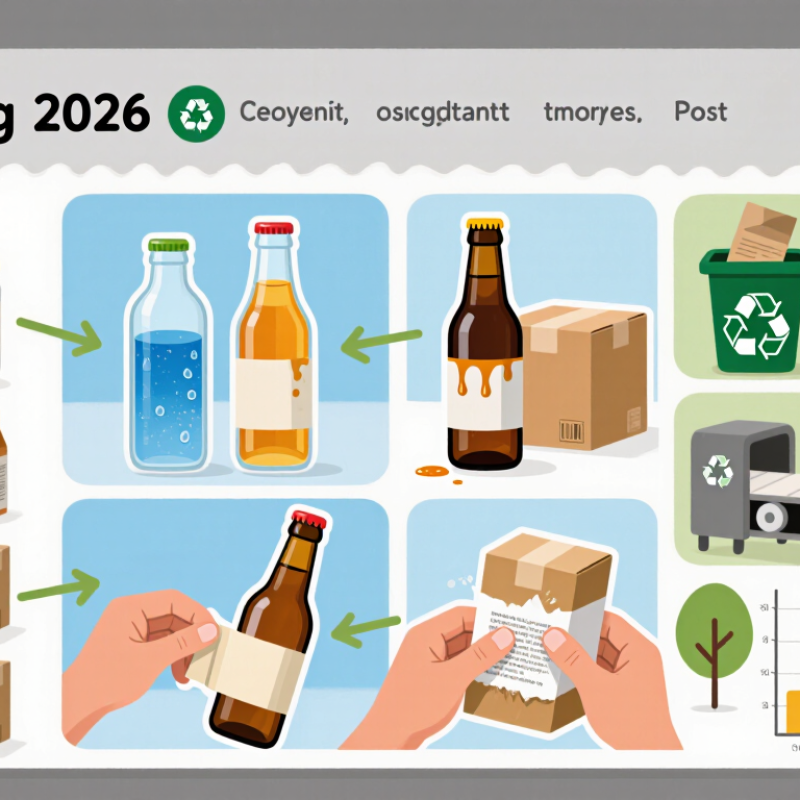
Paper labels are not interchangeable; their surface and coating affect print clarity, handling, and durability. Uncoated paper has a natural, slightly porous feel and suits price tags, bakery bags, and indoor cartons. It accepts handwriting well. Yet moisture can soften it, and dark oils may leave marks. Coated paper has a smoother face, so small text and fine barcodes often print more sharply.
For jars, shelves, or product boxes, choose coated stock when crisp color matters, and ask whether a protective finish is needed. Thermal paper suits short-lived receipts and shipping labels because heat creates the image without a ribbon. Keep it away from hot dashboards and strong sunlight; fading can surprise people. Kraft paper brings a warm, fibrous look to tags and packaging, though its brown surface can mute pale colors.
The adhesive matters just as much as the paper. A label that sticks to clean glass may lift from a cold, dusty bottle. Check the surface, temperature, and expected contact with water or oils. Request a small sample roll, print your real text, and apply it to the item for several days. One test beats guessing. A neat-looking label can still slow packing, a detail easy to miss on a screen.

A paper label should suit both the product and the place it will be used. For dry goods in cartons, uncoated paper can offer a natural look and accept handwritten notes. A coated finish resists scuffs better, but may be harder to write on with ordinary pens. Match the adhesive to the surface, too. Smooth glass behaves differently from dusty cardboard or flexible plastic.
Think about what happens after application. A jar kept in a cool, damp room may develop condensation, while a shipping box can face friction and temperature changes. Standard paper may wrinkle or tear when wet; a protective coating can help, but it does not make every label waterproof. Test the complete label on the actual container. Press it down firmly, then check it after a day and after light rubbing. Test before ordering. Small samples are useful.
Surface shape matters more than it first appears. Labels can lift at the edges on narrow bottles, textured packaging, or curved corners. A stronger adhesive may help, but it can also leave residue when removed. There is no universal best choice. I have seen a label look perfect on a flat sample, then curl on a cold container; that result is easy to overlook. Check adhesion, legibility, and appearance under real storage conditions before settling on a material.
Matching label materials to products, surfaces, and conditions
How to read this: Ratings are an indicative 1–5 guide to common facestock characteristics, not standardized test results. Paper is often a strong choice for dry indoor use and printability; film facestocks generally tolerate moisture better. Polyethylene is often more conformable on curved containers, while polyester is dimensionally stable. The adhesive, coating, printer, and actual surface can change performance—test the complete label on the product under real conditions.
How to Choose the Right Paper Label in 2026?
Comparing Adhesives, Durability, Print Quality, and Sustainability
A good paper label begins with its surface and surroundings. A label on a chilled jar faces condensation, while a shipping carton may encounter dust, friction, and rough handling. Match the adhesive to the actual surface, not just the product description. Permanent adhesive can suit clean, dry packaging; removable adhesive may work better when labels need to peel away cleanly. Test a sample on the finished package. Small changes in coating or temperature can affect adhesion.
Tips: Apply labels to clean surfaces. Leave them overnight, then check the edges. Try a damp cloth and gentle rubbing. Simple tests help, but they cannot recreate every storage or transport condition.
Durability also depends on paper weight, protective coatings, and exposure to moisture or sunlight. For crisp printing, confirm that the stock supports your process and artwork. Fine text and small barcodes need sharp contrast; a test print can reveal smudging or poor readability before a full run. Sustainability needs a similarly practical check. Look for recycled content or responsibly sourced paper, and consider whether coatings or liners complicate disposal. The most sustainable option is not always obvious. Balance material claims with the label’s real performance needs, and be prepared to revise your choice after testing.
| Paper Label Type | Common Adhesive Options | Durability | Print Quality | Sustainability Considerations | Best-Fit Uses |
|---|---|---|---|---|---|
| Uncoated paper | Permanent, removable, or specialty adhesives, depending on the application. | Best for dry, indoor conditions. The paper can absorb moisture and may scuff more readily than coated stocks. | Good for text, barcodes, and a natural matte appearance. Some inkjet inks may feather or take longer to dry; test the intended printer and ink. | Often compatible with paper recycling when the label, adhesive, and container are accepted by the local recycling system. Recycled-content options may be available. | Boxes, office organization, price labels, and products stored indoors. |
| Semi-gloss paper | Permanent adhesive is common; removable versions are available for temporary labeling. | Suitable for ordinary handling and indoor storage. The coating can improve resistance to light abrasion, but the label is not inherently waterproof. | Provides clear text, barcodes, and color with a moderate sheen. Commonly used for high-quality flexographic and digital printing. | Paper-based construction can support recycling, but coatings and adhesive residue may affect processing. Check local guidance and packaging-system requirements. | Retail packaging, shipping labels, and consumer-product labels kept away from prolonged moisture. |
| Gloss-coated paper | Permanent, removable, or product-specific adhesives are available. | Good for dry environments and routine handling. Gloss improves surface protection somewhat, but does not make the label suitable for immersion or sustained wet conditions. | Bright, smooth surface supports crisp graphics and vivid colors. Confirm compatibility with the chosen ink, toner, or printing process. | Coatings may make repulping more difficult than with uncoated paper. Recyclability depends on the coating, adhesive, label size, and local facilities. | Cosmetics, promotional packaging, and applications where a polished appearance is important. |
| Direct-thermal paper | Permanent and removable grades are available; select an adhesive rated for the surface and storage conditions. | Image stability is limited compared with many ink- or toner-printed labels. Heat, sunlight, friction, oils, and some chemicals can darken or fade the image. | Prints without a ribbon on a compatible direct-thermal printer. Well suited to variable data such as dates, shipping details, and barcodes. | Thermal coatings can affect recycling compatibility. Use label stock accepted by the intended collection system, especially for food-contact packaging. | Short-life shipping, receipts, inventory, and date labels kept away from heat and direct sunlight. |
| Recycled-content paper | Permanent, removable, and application-specific adhesives are available, as with other paper stocks. | Varies with the paper grade and coating. Check strength and performance for the label size, container, and expected handling. | Can print well, although shade, surface, and consistency may differ by grade. Request a production sample for color-critical work. | Can reduce demand for virgin fiber when recycled content is verified. Actual environmental benefit depends on sourcing, manufacturing, transport, and end-of-life. | Brands and organizations seeking recycled content for cartons, mailers, and general-purpose packaging. |
| Freezer-grade paper label | Low-temperature or freezer adhesive designed to bond under chilled or frozen conditions. | Designed for cold storage, but performance depends on the exact temperature range, condensation, surface, and application method. Not automatically waterproof. | Print quality depends on the face stock and printer. Confirm that the adhesive and label stock are both suitable for the intended printing process. | Paper face stock may be recyclable in suitable streams; cold-resistant adhesives can influence repulping. Verify with the recycler or packaging program. | Frozen-food packaging, laboratory containers, and cold-chain identification when specified for those conditions. |
| Removable paper label | Low-tack removable adhesive formulated to peel away from specified surfaces. | Removal behavior varies with surface texture, dwell time, temperature, and exposure to sunlight or moisture. Residue-free removal is not guaranteed on every surface. | Available in uncoated and coated finishes. Choose a face stock that matches the required barcode, text, or color quality. | Removable adhesive can help with reuse or separation in some applications, but does not by itself guarantee easier recycling. | Temporary promotions, reusable containers, product identification, and short-term organization. |
Selection note: Adhesive performance depends on the label surface, application temperature, service temperature, moisture, and time in use. For critical applications, test the complete label on the actual container and confirm printing and recycling requirements with the supplier, printer, and local recycling program.
Selecting the Right Size, Shape, Finish, and Application Method
Paper labels work best when their dimensions suit both the package and its contents. Measure the flat, usable area, not just the container’s full width. Leave room around seams, lids, and date codes. A narrow bottle may need a tall rectangle, while a wide jar often suits a square or circle. Curved surfaces can wrinkle larger labels; smaller formats usually sit flatter. Shape affects readability, too.
Choose a finish based on how the label will be handled. Matte paper reduces glare and feels understated, while gloss can make colors look brighter. Uncoated paper is easy to write on, but may mark more easily. If a package might encounter damp hands or refrigeration, ask about a suitable protective coating and adhesive. Consider the application method as well: hand-applied labels benefit from clear alignment guides, while machine application needs consistent dimensions and spacing. I still prefer a small test run. A layout can look right on screen and fail on a real jar.
Tips: Test the label on the actual package. Check adhesion after a day, and look for lifted corners, smudging, or trapped air. Try applying it at room temperature. Small differences in surface texture can matter.
When choosing a paper label in 2026, compare the full applied cost, not just the price per roll.
Include printing, waste during setup, adhesive performance, and storage conditions. A label that curls on a cold jar can create costly rework. Test samples on the actual container before ordering at scale. Small details matter.
Smithers’ The Future of Labels to 2028 estimated the global label market at about $49.9 billion in 2023 and projected continued growth through 2028. This is a market-wide forecast, not proof that paper suits every product.
Eurostat reported that paper and cardboard made up 40.8% of EU packaging waste in 2022. That figure describes packaging overall, not the recyclability of a particular label-and-container combination.
Compliance requires checking the finished package, including inks, adhesives, and disposal instructions, against the rules in each sales market. For EU-bound packaging, consult current official guidance on the staged requirements of the Packaging and Packaging Waste Regulation.
Recyclable claims deserve extra care: a paper face stock alone does not guarantee easy sorting or recycling. I would treat supplier specifications as a starting point, then ask for test evidence.
Digital printing and shorter runs may help reduce obsolete stock, though setup costs can still make small orders expensive.