The world of Paper Label is evolving rapidly. By 2026, significant trends will emerge, impacting buyers and market strategies. "Sustainability and innovation are key for the future of Paper Labels," says Lisa Hartman, a leading expert in the industry. Her insight reflects the growing concern about environmental impact.
Buyers must prepare for these changes. As labels become more eco-friendly, the materials used will shift. Consumers demand transparency, urging companies to be responsible. Combining aesthetics with functionality is crucial. Attention to detail will separate successful brands from the rest.
In this dynamic market, staying informed is vital. Buyers should consider not only current trends but also anticipate future shifts. Knowledge about innovative materials and techniques can provide a competitive edge. Embracing change in the Paper Label industry is essential for growth.

The landscape of paper labels is evolving rapidly. Buyers should be mindful of emerging material innovations that are shaping their future. According to a recent industry report, 63% of consumers prefer eco-friendly packaging, pushing manufacturers to explore sustainable materials. This shift highlights the importance of sourcing labels made from recycled paper and natural fibers.
Biodegradable options are gaining traction as well. Research indicates that biodegradable paper labels can reduce environmental impact by up to 70%. Brands are looking toward compostable coatings to enhance durability without compromising sustainability. In tandem, digital printing technologies are enabling more precise and efficient label production. This not only minimizes waste but also caters to the growing demand for customization.
While the advancements are promising, challenges remain. Achieving the right balance between functionality and environmental impact is complex. For instance, some bio-based adhesives may not perform as well in various conditions. Buyers must remain vigilant about these limitations. Continuous testing and feedback loops can inform better choices in materials. Adapting to these trends will require ongoing innovation and collaboration across the supply chain.
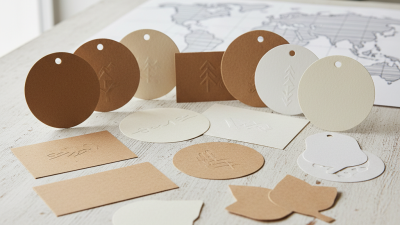
Sustainability is a key focus in the label production industry. More companies are adopting eco-friendly materials. This shift reflects a growing consumer demand for sustainable practices. Labels made from recycled content can minimize waste. Additionally, biodegradable labels are gaining traction. They break down naturally and reduce landfill impact.
When choosing paper labels, consider their lifecycle. An informed choice supports brands prioritizing sustainability. Look for certifications like FSC or PEFC. These indicate responsible sourcing. Use labels that align with your brand values. It demonstrates a commitment to the environment.
Remember, not all sustainable choices fit every application. Evaluate functionality and durability. Some biodegradable options may not perform well in all conditions. It’s essential to test products for your specific needs. Keeping an eye on these trends can shape your purchasing decisions for years to come.
The landscape of paper labels is evolving rapidly due to technological advances. Smart labels and digital printing are at the forefront of this transformation. According to a report by Smithers Pira, the digital label printing market is projected to grow at a CAGR of 12.2% from 2021 to 2026. This reflects the industry's shift towards increased efficiency and customization.
Smart labels are also gaining traction. These labels incorporate RFID and NFC technologies, enabling real-time tracking and enhanced consumer interaction. The global smart label market is expected to reach $12 billion by 2026, as highlighted by MarketsandMarkets. This growth is driven by rising demand for inventory management and supply chain transparency.
Despite these advancements, challenges remain. The integration of smart technologies can be costly for small businesses. Moreover, ensuring data security in smart labels is a crucial concern. Many companies struggle with the balance between innovation and investment. Overall, while the future of paper labels looks promising, there are areas that require careful consideration.
This bar chart illustrates the anticipated growth in adoption rates of smart labels and digital printing technologies over the next few years. The data represents the percentage increase in use from 2023 to 2026 for each trend.
In 2026, buyers need to understand the evolving consumer preferences concerning paper labels. Today’s consumers value eco-friendliness alongside aesthetic appeal. Many are attracted to sustainable materials and production processes. This trend highlights a shift towards greater environmental responsibility in packaging choices. Labels made from recycled paper or biodegradable materials are becoming more important. The emphasis on sustainability does not mean sacrificing quality or design.
Functionality also plays a crucial role in label design. Consumers are increasingly looking for labels that provide useful information. Clear, legible fonts and easy-to-understand graphics are essential. Interactive elements, such as QR codes, can enhance the user experience. Shoppers appreciate labels that not only look good but also offer practical benefits. However, balancing creativity with clarity can be a challenge.
Marketers must remember that not every design resonates with the audience. Testing different label styles and functionalities is vital. Gathering consumer feedback can guide decisions. Buyers should remain open to the idea that their initial designs might need adjustments. The trend is to create labels that are both visually striking and functionally effective. The journey to achieving the perfect paper label involves learning from consumer reactions.
| Trend | Description | Consumer Preference (%) | Functionality Focus (%) |
|---|---|---|---|
| Sustainable Materials | Increasing demand for eco-friendly and recyclable label materials. | 65% | 50% |
| Custom Designs | Rise in personalized label designs tailored to brand identity. | 70% | 60% |
| Smart Labels | Integration of NFC and QR codes for enhanced interactivity. | 55% | 75% |
| Minimalist Design | Preference for clean and simple label designs. | 60% | 40% |
| Durability | Focus on long-lasting labels resistant to various conditions. | 50% | 70% |
As paper labeling continues to evolve, regulatory standards play a crucial role in shaping specifications. Buyers must stay informed about emerging regulations that affect materials, processes, and sustainability practices. Recent shifts towards eco-friendly labeling are driven by governmental policies focused on reducing waste and promoting recycling. This means that manufacturers are compelled to adapt to new materials that meet these standards while ensuring product integrity.
Moreover, compliance with regulations is not just about legal adherence. It's about fostering trust with consumers who increasingly prioritize environmentally responsible products. This challenge requires ongoing evaluation of supply chains and label production processes. Some companies still grapple with the transition to compliant materials, leading to inconsistencies in product offerings. It's essential for buyers to engage with suppliers who demonstrate a solid understanding of evolving regulations.
The landscape of paper labeling also faces scrutiny from various industries. Factors like biodegradable options and reduced carbon footprints are more than just trends; they are necessities. Buyers need to carefully assess how these specifications impact their sourcing decisions. Engaging with regulatory updates will help identify potential pitfalls and opportunities in this dynamic market.