How to Choose the Best Paper Label for Your Products?
Choosing the right paper label for your products can be challenging. A well-selected paper label enhances your brand's image and provides essential product information. It's crucial to understand the different types of paper labels available and their specific applications.
Paper labels come in various materials, finishes, and adhesives. Selecting the best option requires careful consideration of your product's requirements and usage conditions. For instance, if your products will be exposed to moisture, you need a label that can withstand such environments. The finish of the paper label can affect appearance and durability, making it a vital factor in your choice.
In the competitive market, a high-quality paper label can set your products apart. It communicates your brand's professionalism and attention to detail. Reflecting on your options allows for better decision-making, ensuring you choose a label that accurately represents your brand identity while meeting practical needs.
Understanding the Different Types of Paper Labels and Their Uses
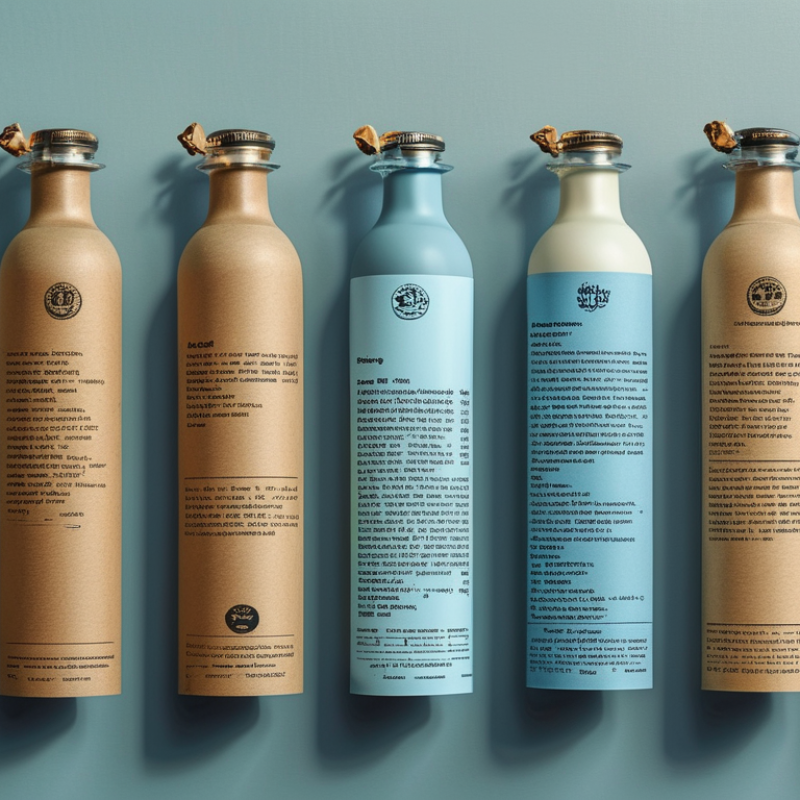
Choosing the right paper label can significantly impact product presentation and functionality. There are several types of paper labels, each serving distinct purposes. Matte labels, for instance, offer a non-reflective finish, making them ideal for high-end products. They give a sophisticated touch and are often used in luxury packaging.
In contrast, glossy labels provide vibrant colors and a polished look. They are commonly found on food packaging, where visual appeal plays a crucial role in consumer choices. According to industry reports, approximately 54% of consumers prefer products with eye-catching labels. This statistic underscores the importance of selecting the correct paper type.
Durability is another crucial factor. Waterproof and oil-resistant paper labels are essential in industries like food and beverages. These labels endure exposure to moisture and spills, ensuring that vital information remains intact. However, some labels may not adhere well under certain conditions. This inconsistency emphasizes the need for thorough testing before full-scale production.
Key Factors to Consider When Selecting Paper Labels for Your Products
Choosing the right paper label for your products can significantly impact branding and customer experience. Consider the label's material. Different types of paper offer varying strength and durability. For instance, uncoated paper is more absorbent but less resistant to moisture. Coated paper can withstand spills better. Think about where your product will be stored. Labels for refrigerated items need to be robust.
Next, evaluate the printing quality. High-resolution printing will make your designs stand out. If your label features intricate details, ensure that the paper can capture those elements accurately. Smooth paper surfaces often yield better results for vibrant colors and sharp text. However, be cautious. Some high-quality papers may come at a higher cost.
Don't overlook the adhesive. Stronger adhesives are essential for products that may face temperature changes. However, overly aggressive glues can leave residue when removed. Consider your audience as well. Eco-friendly labels may appeal more to environmentally conscious consumers. But ensure that your choice still aligns with your product's requirements. Choosing labels is a balancing act. Each factor influences not just aesthetics, but functionality and customer perception.
Comparison of Paper Label Types
Analyzing the Impact of Label Adhesive Types on Product Performance
When selecting paper labels, the adhesive type plays a crucial role in product performance. Different adhesives offer varying levels of durability, moisture resistance, and surface compatibility. For example, permanent adhesives create a strong bond, suitable for labels that need to withstand harsh conditions. However, they can be difficult to remove, which might not align with all product needs.
In contrast, removable adhesives provide flexibility. They allow consumers to peel off labels without damaging the product. This can enhance user experience and reduce waste. Yet, they may not adhere well under extreme conditions. It's essential to consider the environment where the product will be used. Does it face moisture or extreme temperatures? These factors influence adhesive effectiveness.
Choosing the wrong adhesive can lead to labeling failure. This could impact brand image and product integrity. An informed choice requires testing different materials and adhesives in real-life scenarios. Gathering feedback is invaluable. It helps refine selections based on practical outcomes. This iterative process can reveal insights that plain specifications cannot. Ultimately, the right adhesive affects not just appearance but also product functionality.
How to Choose the Best Paper Label for Your Products?
| Label Type |
Adhesive Type |
Paper Quality |
Weather Resistance |
Application |
| Glossy Paper |
Permanent |
High |
Moderate |
Retail Products |
| Matte Paper |
Removable |
Medium |
Low |
Promotional Items |
| Vinyl Labels |
Permanent |
High |
High |
Outdoor Applications |
| Clear Labels |
Permanent |
Medium |
Moderate |
Beverage Bottles |
| Eco-Friendly Labels |
Natural Adhesive |
High |
Low |
Organic Products |
Evaluating Paper Label Durability and Its Effect on Shelf Life
When selecting paper labels for products, durability is a key factor. A study by the Label Industry Global Standard estimates that over 40% of products face returns due to label degradation. Labels exposed to moisture, heat, or direct sunlight often lead to unreadable information and spoiled goods. Thus, choosing the right paper label affects not just presentation but also shelf life.
Durability can directly impact a product’s shelf longevity. Research indicates that products with high-quality labels can experience a shelf life extension of up to 30%. Labels made from specialty papers resist environmental factors better than standard options. Many producers overlook this critical aspect, resulting in unnecessary waste. Sustainable choices often lead to higher-quality results, reducing the risk of product loss.
However, the initial cost of durable labels can deter some manufacturers. A lower upfront investment may appeal, but it can lead to increased long-term expenses due to product returns. Finding a balance is essential. Manufacturers should aim for labels that provide both reliability and cost-effectiveness. It's a challenging but necessary consideration to ensure products meet customer expectations.
Sustainability Trends: Choosing Eco-Friendly Paper Labels for Branding
Eco-friendly paper labels have become essential for modern branding. A recent study indicated that 73% of consumers prefer sustainable products. This trend highlights the importance of choosing environmentally friendly materials for labeling.
When selecting paper labels, consider certifications. Look for labels with the Forest Stewardship Council (FSC) certification. This ensures sustainable sourcing. Also, recycled paper options are available, which reduce waste and resource consumption. Many brands are shifting towards these materials. In fact, around 55% of companies now prioritize sustainable packaging.
Brands embracing eco-friendly labels can enhance their reputation. However, the transition is not without challenges. Finding the right balance between cost and sustainability can be difficult. Not all eco-friendly options meet durability standards, which can affect the product's shelf life. Reflecting on these aspects can help brands make informed choices.