Top 10 Paper Label Options for Global Sourcing Needs?
In today's fast-paced global market, choosing the right "Paper Label" options is crucial. Industries are increasingly relying on labels for branding and product information. According to a recent report by Smith & Associates, the demand for eco-friendly labels is projected to grow by 15% over the next three years. This trend reflects a significant shift in consumer preferences toward sustainability.
Experts in the field, like Dr. Emily Chen, emphasize the importance of this transition. She states, “The future of packaging will largely depend on innovative 'Paper Label' solutions that prioritize both functionality and environmental impact.” This suggests that companies must adapt to meet these evolving standards.
However, sourcing the ideal label can be challenging. Many businesses struggle with balancing cost and quality. Some labels may not perform well in specific conditions. As brands tackle these complexities, it is essential to carefully evaluate various options. Making informed decisions can ensure that companies meet their sourcing needs effectively.
Overview of Global Sourcing for Paper Labels
Global sourcing for paper labels has gained traction as businesses seek efficiency and cost-effectiveness. According to a recent study by Smithers, the global paper label market is expected to reach $50 billion by 2025, driven by increased demand for sustainable packaging solutions. Companies are diversifying their sourcing strategies to improve quality and reduce production lead times.
Sourcing from various regions offers unique advantages. Asia-Pacific leads in production capacity, while Europe focuses on innovative materials. In North America, a shift towards eco-friendly labels is evident. However, companies face challenges in quality control and compliance with local regulations. A survey by Mordor Intelligence found that nearly 30% of businesses reported issues with school compliance in international sourcing.
Metrics such as delivery times and production capabilities can alter sourcing decisions. Practical experience suggests that building relationships with reliable suppliers enhances flexibility. This approach can also mitigate risks associated with geopolitical tensions. The pursuit of sustainable options must balance with cost and operational efficiency. Organizations should not overlook the need for rigorous supplier assessments to ensure reliability.
Key Factors to Consider When Sourcing Paper Labels
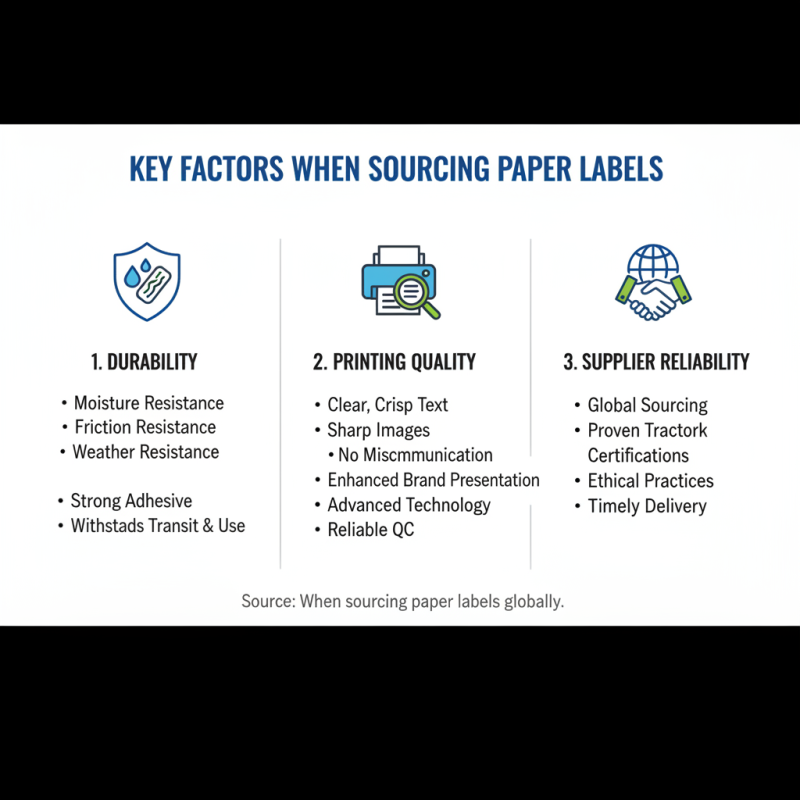
When sourcing paper labels globally, several key factors must be carefully evaluated. Durability is essential, especially for products exposed to moisture, friction, or outdoor conditions. Choosing labels with strong adhesive and weather resistance ensures they stay intact during transit and usage. Additionally, consider the printing quality; clear, crisp text and images prevent miscommunication and enhance brand presentation. Suppliers with advanced printing technology and reliable quality control are more trustworthy.
Environmental impact plays an increasingly important role. Opt for eco-friendly options like biodegradable or recyclable labels. Certification from recognized bodies adds credibility. Cost remains a concern, but quality should not be compromised for savings. Falling into a cheap trap might result in poor adhesion or peeling issues later. Lead times also matter—longer shipping times demand careful planning, especially during peak seasons. Reflecting on these factors, it's clear that a balanced approach focusing on durability, quality, eco-friendliness, and supplier reliability will contribute to sourcing success. This complex process requires ongoing adjustments and critical inspections to avoid costly mistakes.
Top 10 Types of Paper Labels for Diverse Applications
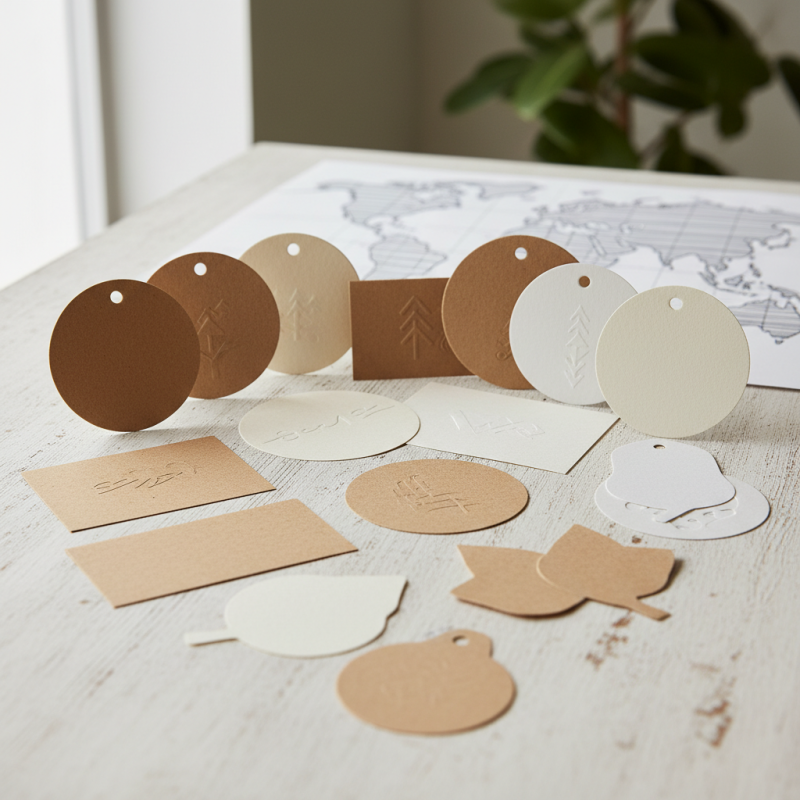
Paper labels serve diverse applications across industries. From food packaging to retail products, the right label can enhance a brand's appeal. A study by Smithers Pira indicates that the global market for paper labels is expected to reach $55 billion by 2024. This growth reflects the increasing demand for sustainable and eco-friendly labeling solutions.
Among the top types of paper labels, duplex paper labels stand out for their durability. These labels can withstand moisture and wear, making them perfect for industrial uses. On the other hand, adhesive paper labels are versatile and can be used on various surfaces. A recent report from Market Research Future shows that adhesive labels dominate the sector, largely due to their application in logistics and shipping.
Recycled paper labels have gained traction, aligning with sustainability goals. Consumers increasingly prefer products that utilize eco-conscious materials. However, manufacturers face challenges ensuring the quality and printability of these labels. Achieving a balance between sustainability and performance is crucial for meeting market demands.
Top 10 Paper Label Options for Global Sourcing Needs
| Label Type |
Material |
Adhesive Type |
Application |
Durability |
| Bright White Paper |
Coated Paper |
Permanent |
General Labeling |
Moderate |
| Kraft Paper |
Recycled Kraft |
Removable |
Eco-Friendly Products |
Low |
| Vinyl Labels |
Polyvinyl Chloride |
Permanent |
Outdoor Usage |
High |
| Polyester Labels |
Plastic |
High-Performance |
Industrial Applications |
Very High |
| Thermal Transfer Labels |
Paper or Synthetic |
Permanent |
Shipping and Logistics |
Moderate |
| Waterproof Labels |
Plastic or Coated |
Permanent |
Beverage or Food Packaging |
High |
| Removable Labels |
Paper |
Removable |
Temporary Usage |
Low |
| High-Vis Labels |
Fluorescent Paper |
Permanent |
Safety and Signage |
Moderate |
| Label Embossing |
Heavyweight Paper |
Permanent |
Luxury Packaging |
High |
| Holographic Labels |
Specialty Film |
Permanent |
Anti-Counterfeiting |
Very High |
Sustainability Considerations in Paper Label Sourcing
Sourcing paper labels sustainably is crucial for brands today. Eco-friendly options can meet both business and environmental goals. Many materials used in label production come from renewable sources, such as recycled paper and FSC-certified fibers, which are common choices. These options reduce the environmental impact.
However, challenges persist. The availability of sustainable materials can vary by region. Not all suppliers offer eco-friendly options. Brands must assess their sourcing capabilities. Cost can also be a limiting factor; sustainable labels sometimes come at a premium, which may impact budgets.
Manufacturers should consider the lifecycle of labels. This includes production, use, and disposal. Biodegradable labels can reduce waste in landfills. Yet, they require specific conditions to break down effectively. Educating consumers on label disposal practices is necessary. Striking a balance between sustainability and practicality is key.
Comparative Analysis of Suppliers for Paper Labels
When sourcing paper labels globally, understanding supplier capabilities is crucial. Different regions offer unique advantages in materials and production techniques. Evaluating these factors helps identify the most reliable options. Environmental policies also play a significant role in sourcing decisions. Some suppliers excel in sustainable practices, while others struggle with eco-friendly options.
Cost-effectiveness is another aspect to consider. Not all low-cost suppliers maintain high-quality standards. A detailed analysis of supplier performance can reveal hidden costs. Long-term partnerships can be beneficial, but they require continuous assessment. Tracking reliability and delivery times is essential in maintaining supply chain efficiency.
Ultimately, thorough research is key. This process can be complex, and assumptions may lead to challenges. Buyers must question the perceived value of suppliers. The market is ever-evolving, and staying informed about trends is vital. Emphasizing communication with suppliers can uncover potential issues early. This allows for adjustments before problems escalate, ensuring a smoother sourcing experience.