Leave Your Message
Choosing the best Label Roller manufacturer in China is not a matter of comparing prices alone. A roller must match the label stock, adhesive, machine speed, and working environment. A mismatch can cause wrinkles, uneven feeding, or adhesive buildup along the roller edge. Small details matter.
Label-converting engineer Chen Wei offers a practical rule: “A reliable roller should fit the production line, not just the purchase order.” Treat that as a guiding principle, not a substitute for documented specifications. Ask suppliers about roller material, dimensions, surface finish, runout tolerance, and inspection methods. Request a sample when possible. Then test it with your actual labels and machine settings, rather than relying only on a catalogue image.
A dependable supplier should explain what it can verify and where its limits are. Look for clear drawings, consistent communication, traceable quality records, and realistic lead times. Ask how the manufacturer handles wear, cleaning, and replacement parts. A glossy product photo proves little. Nor does a low quote reveal how a roller performs after months of continuous use.
This guide examines how buyers can compare Chinese manufacturers and suppliers, check technical fit, and assess service support before placing an order. No single factory suits every line. Even careful checks can miss problems that only appear during production. That is worth admitting. A measured evaluation helps reduce avoidable downtime and makes the final choice easier to defend.
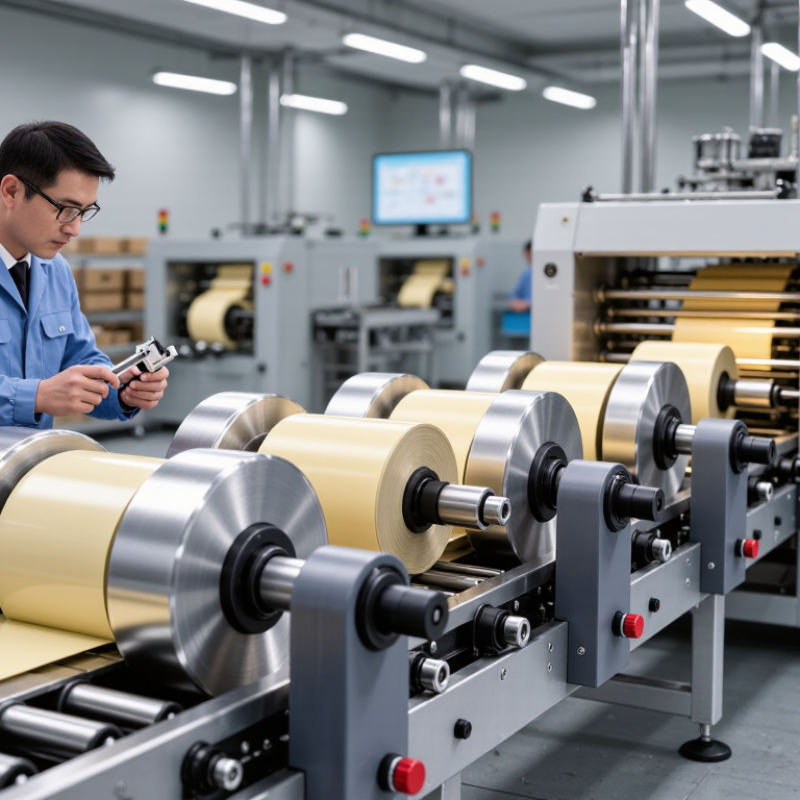
China Best Label Roller Manufacturer and Supplier?
What Is a Label Roller and Where Is It Used?
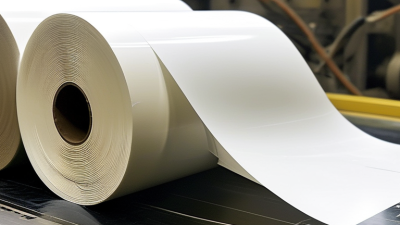
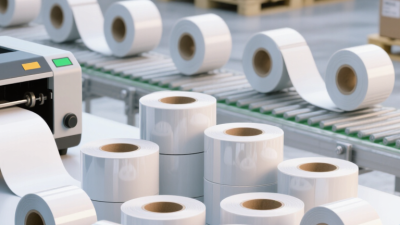
A label roller is a tool or machine component that unwinds label stock and guides it smoothly toward an application point. A roll of pressure-sensitive labels turns around a central core, while the backing liner moves past a guide or peeling edge. In a handheld dispenser, an operator pulls the liner and presses each exposed label onto a product. On an automated line, rollers control the label web as packages pass an applicator. The exact setup varies. Not every roller fits.
Label rollers are common in warehouses, retail stockrooms, and packaging areas. Staff use them to mark cartons, bins, shelves, and outgoing parcels. At a packing bench, a smooth feed can reduce curling and misplaced labels. In production, rollers help apply identification or product information to bottles, boxes, and other containers. They do not guarantee a clean application, though. Dust, a worn roller, or an unsuitable adhesive can cause wrinkles or weak bonding. Check the roll width, core size, label direction, and surface condition before choosing a roller. A small mismatch can slow the whole line. Ambient temperature matters too, and it is easy to overlook.
| Category | Description | Common Uses | Key Selection Considerations |
|---|---|---|---|
| Understanding Label Rollers | |||
| What is a label roller? | The term can describe a roller-based label applicator or a roller within a labeling machine. Depending on the equipment, rollers may guide label stock, press a label onto a surface, or help apply a wrap-around label. | Packaging lines, product labeling stations, and manual label application. | Confirm whether the requirement is for a complete applicator, a machine component, or a handheld label dispenser. |
| How roller application works | A label is presented to a product and a roller applies pressure to help it adhere. In wrap-around systems, the product or label moves so the label can cover the intended area. | Cylindrical containers and other packages that need consistent label contact. | Check product movement, label position, surface condition, and the required degree of wrap. |
| Pressure roller | A contact roller presses a label against the product. Roller material and surface finish affect contact and handling. | Applying or smoothing labels on packaging surfaces. | Match the roller dimensions and material to the equipment and product; confirm compatibility with the label adhesive and surface. |
| Label web guide roller | A guide roller helps control the path of a continuous label backing web as it travels through a machine. | Automatic label dispensers and labeling equipment that feed labels from a roll. | Check shaft size, mounting arrangement, roller width, and alignment with the label path. |
| Manual label dispenser | A dispenser presents labels from a roll for an operator to remove and apply. Some designs use rollers to guide or separate the label backing. | Workbenches, small-batch packing, and hand-labeling tasks. | Verify roll dimensions, label format, dispensing method, and whether the unit suits the expected workflow. |
| Where Label Rollers Are Used | |||
| Food and beverage packaging | Labels may identify products, show required product information, or support retail presentation. Applicable labeling rules depend on the product and market. | Bottles, jars, cans, and other packaged food or drink containers. | Consider container shape, production environment, label stock, adhesive suitability, and applicable regulations. |
| Personal care and household products | Roller-based equipment can apply product labels to containers with compatible shapes and surfaces. | Bottles, jars, tubs, and selected household-product packaging. | Test label adhesion and placement on the actual container, especially on curved, textured, or flexible surfaces. |
| Pharmaceutical and healthcare packaging | Labels can carry product identification and other information required by the relevant market or process. | Selected bottles, cartons, and healthcare product packages. | Assess placement accuracy, traceability needs, validation requirements, and applicable industry regulations. |
| Logistics and warehousing | Adhesive labels are used to identify packages and support handling or tracking processes. | Shipping cartons, totes, and warehouse packages. | Choose an application method compatible with package size, line speed, label dimensions, and surface condition. |
| Practical Sourcing Checklist | |||
| Product and label compatibility | Performance depends on the label material, adhesive, product shape, and surface condition. | All manual and automated applications. | Provide sample products and label rolls for testing before confirming a configuration. |
| Machine integration | Automatic equipment may need to connect with a conveyor, sensor, or upstream and downstream packaging equipment. | Production and packaging lines. | Confirm available space, mounting points, product orientation, electrical requirements, and control interfaces. |
| Supplier evaluation | A suitable supplier should be able to clarify technical requirements and provide relevant documentation and support. | Purchasing a complete machine, replacement roller, or custom configuration. | Request drawings, material details, sample testing, warranty terms, spare-parts information, and written performance specifications. |