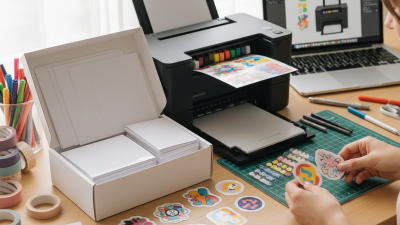
Top Sticky Printer Labels for Your China Best Needs?
In today's fast-paced business landscape, choosing the right Sticky Printer Labels can significantly impact efficiency and branding. According to a recent market analysis by Grand View Research, the global label market is anticipated to reach $50 billion by 2025. This surge underscores the growing importance of high-quality labeling solutions across various industries, including retail, logistics, and manufacturing.
Sticky Printer Labels are versatile. They meet diverse needs, from inventory management to product branding. A well-designed label not only enhances visibility but also improves customer engagement. A study from Smithers Pira indicates that nearly 70% of consumers make purchasing decisions based on packaging and labeling. This illustrates the critical role that labels play in consumer perception.
However, not all labels are created equal. Factors such as adhesive quality, print durability, and material compatibility can affect performance. Businesses must navigate these variables to select the best options. Evaluating the right Sticky Printer Labels for your needs can be a complex task, but it is essential for fostering a professional image and creating lasting impressions.
Top Sticky Printer Labels for Your China Best Needs
When exploring the best sticky printer labels for your needs in China, it's essential to delve into specific features that matter. The global sticky label market is projected to reach approximately $50 billion by 2025, indicating robust demand. Various industries rely on high-quality labels for inventory, shipping, and product identification. The right label ensures durability and print quality.
One key factor in selecting sticky labels is adhesive strength. Data shows that labels with stronger adhesives can reduce the chances of peeling or falling off. In a survey, 70% of users preferred labels that remained intact during transportation. The materials used also affect the label quality. Eco-friendly options are gaining traction, aligning with sustainability trends. Over 60% of businesses now prioritize eco-conscious labeling solutions.
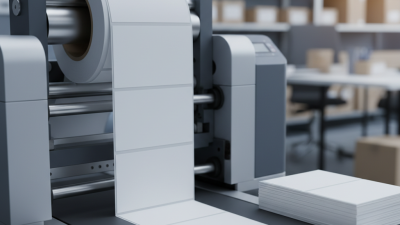
Consider the printing technology as well. Thermal printers are widely used for sticky labels, but you need to ensure compatibility. A report indicated that around 40% of businesses faced issues with mismatched label types. Testing a sample before bulk orders can prevent wastage. Feedback from end users is vital in identifying labels that truly meet their requirements. Examining real-world experiences enriches your understanding of the best options available.
Understanding Different Types of Sticky Printer Labels
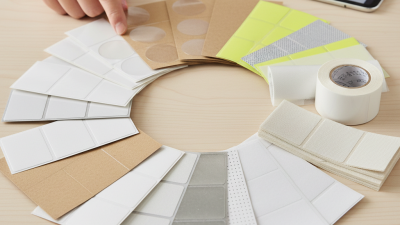
When it comes to sticky printer labels, understanding the various types is essential for your specific needs. These labels come in different materials, sizes, and adhesives. For instance, paper labels are common for light-duty tasks, like temporary labeling. They are cost-effective and easy to print. However, they may not withstand moisture well and can peel off with time.
On the other hand, polyester labels offer durability and moisture resistance. They are ideal for long-term use in challenging environments. These labels often have a shiny finish, enhancing the visual appeal of your products. Biodegradable labels are another option. They are environmentally friendly and decompose over time. However, they can be more expensive and may require specific printing methods.
Choosing the right label also involves considering adhesive strengths. Some adhesives provide a strong hold but can leave residue behind. Others are less sticky, allowing for easy removal. It’s important to ponder your needs and the label's intended use. Not all labels work well on all surfaces, so testing is beneficial.
Criteria for Selecting the Best Sticky Printer Labels
When selecting sticky printer labels, consider a few key factors. This helps ensure they meet your specific needs.
Material quality is crucial. Labels made from durable vinyl or polypropylen are more resistant to moisture and wear. According to a recent industry report, vinyl labels can last up to five years outdoors without fading or tearing.
Adhesive strength is another important criterion. Labels should stick securely to various surfaces. Research shows that labels with stronger adhesives save time and are more cost-effective in the long run. A product that peels or falls off can cause labeling issues. Moreover, evaluating print quality is essential. The resolution and vibrancy of labels can impact your branding. Labels printed at 1200 dpi or higher tend to appear sharper and more professional.
Additionally, consider the size and shape of labels. Custom sizes may be required based on application. Clarity in design matters too.
Simple, clear designs often work best for readability. A complex design can lead to misprinting. Thus, ensuring that the design is optimized is vital. While there are many options available, finding the right balance of these features remains challenging.
Different needs call for different solutions. It's worthwhile to assess which criteria weigh most for your projects.
Popular Brands for Sticky Printer Labels in China
When selecting sticky printer labels, it's vital to consider the most popular brands in China. The market has shown a strong trend toward high-quality labels that can withstand various conditions. According to recent industry reports, the demand for durable adhesive labels has soared by 25% in the last year alone. This suggests that businesses prioritize reliability in labels.
Many users still struggle with the choice of materials and finishes. Coated paper labels are cost-effective but may not offer the longevity needed for certain applications. In contrast, film labels tend to provide better durability. A survey revealed that 60% of businesses preferred film labels for outdoor goods.
Tips: Choose labels that meet your specific environmental needs. Testing different adhesives can also clarify which options work best for your application. Finally, consider your printer’s compatibility with various label types to prevent issues. Taking the time to research and understand these factors can lead to more efficient labeling solutions.
Top Sticky Printer Labels for Your China Best Needs
Applications of Sticky Printer Labels in Various Industries
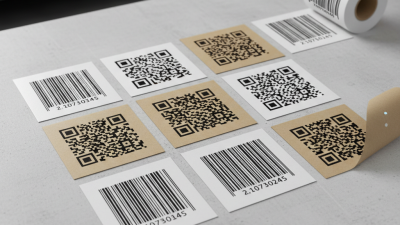
Sticky printer labels play a vital role across various industries. From logistics to retail, they ensure smooth operations. In the shipping sector, labels help in tracking packages. They provide essential information clearly and efficiently. In retail, these labels assist with pricing and inventory management. Customers appreciate clear labeling on products, which enhances their shopping experience.
Tips: Choose labels that stick well on different surfaces. Test them under varying conditions to ensure reliability. Ensure the printed text is legible and easy to understand.
Health and food industries also benefit significantly. Labels are essential for product safety. They provide necessary information about ingredients and allergens. In healthcare, clear labeling helps reduce medication errors. This is crucial for patient safety.
Tips: Always verify the durability of the labels in different environments. Consider how temperature and humidity might affect their adhesion. Investing in quality labels can save time and reduce mistakes.
Conclusion
Sticky printer labels are essential tools for various applications in many industries, particularly in China, where the demand for high-quality labeling solutions is steadily increasing. Understanding the different types of sticky printer labels available is crucial for selecting the best options that meet specific needs. Factors such as adhesive strength, material durability, and printability play a significant role in making an informed choice.
In addition to knowing the types and selection criteria, being aware of popular brands can provide insights into reliable choices in the market. Sticky printer labels find applications across diverse sectors, including logistics, retail, and manufacturing, enhancing organization and efficiency. To maximize their effectiveness, users should follow tips for efficient usage, ensuring that labels adhere properly and information remains clear and visible. Overall, selecting and utilizing the right sticky printer labels can significantly improve operational workflows and product labeling accuracy.