In today's global marketplace, the demand for efficient tracking and identification solutions is escalating. One effective method that has gained traction is the use of Paper Barcodes. These barcodes not only provide a cost-effective solution but also offer versatility across various industries. Companies often rely on them for inventory management, logistics, and customer transactions.
However, choosing the right Paper Barcode solution can be daunting. Many options exist, and each has its strengths and weaknesses. Buyers need to consider several factors, such as durability, print quality, and ease of use. While some may opt for premium solutions, others might find simpler paper barcode options to be sufficient for their needs.
There is always room for reflection on the choices we make. Are we prioritizing quality over cost? Or are we missing out on innovative solutions that could serve our business better? Understanding the landscape of Paper Barcodes will guide global buyers towards the best choices for their specific requirements. Through this exploration, we aim to highlight the top options available and empower decision-making for organizations around the world.
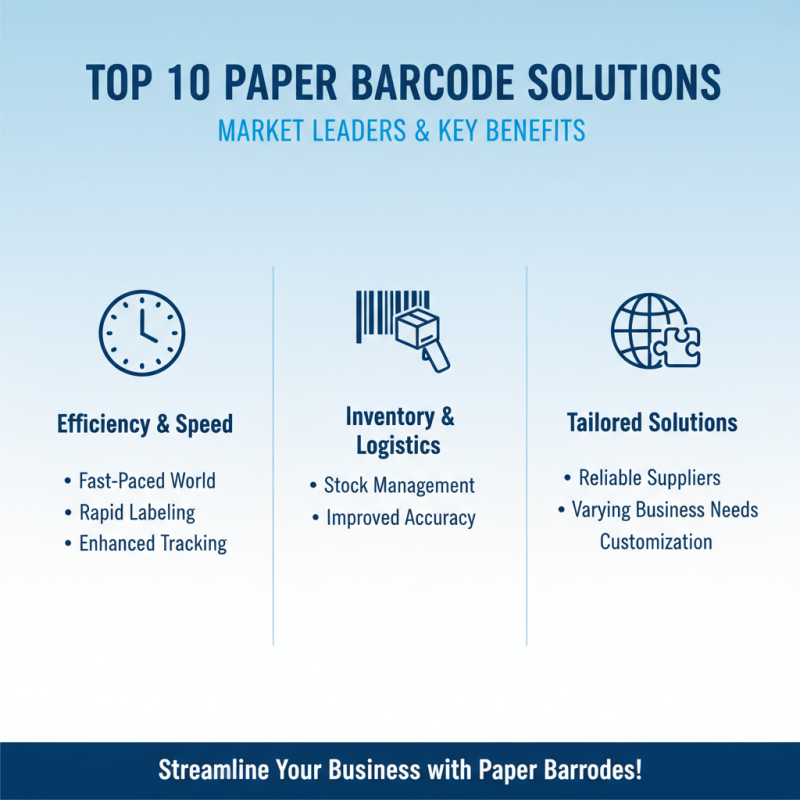
In today's fast-paced world, efficient labeling is crucial for businesses. Paper barcodes are essential tools for inventory management and logistics. They enhance tracking and improve accuracy. Many suppliers provide reliable paper barcode solutions tailored to varying needs.
Several leaders in the market offer extensive features. Some solutions focus on durability, while others prioritize high-resolution printing. Different industries require specific barcode types. Retail, healthcare, and manufacturing all have unique demands. Choosing the right option can feel overwhelming. Not all solutions are as user-friendly as claimed. Some might lack integration capabilities with existing systems.
It is important to assess your specific needs. Consider factors like print volume, scanning speed, and environmental conditions. Engage with experts to ensure the right choice. Relying solely on market reputation might lead to oversights. A thoughtful approach will yield better results.

When selecting paper barcode solutions, several key features deserve attention. Look for usability and integration capabilities. Solutions should easily integrate with existing systems. This simplifies processes and minimizes additional costs. Also, consider the overall print quality and durability of the barcodes. A clear, scannable barcode is vital for efficiency.
Tips: Evaluate how the barcode performs in real environments. Check for fading and smudging after various conditions. Quality matters, especially in logistics.
Another important aspect is data capacity. The information encoded must meet your specific needs. Some barcodes can hold more data than others. Assess the storage limits for your requirements. Security features are equally essential. Ensure that your solution can protect sensitive information.
Tips: Test different barcode types to find a balance between capacity and readability. Experiment to see what works best for your applications.
Lastly, support and resources matter. A reliable provider should offer proper support and documentation. This ensures you can solve issues quickly. Having a knowledgeable partner is crucial for long-term efficiency.
The global market for paper barcode solutions is witnessing significant growth. Several trends are driving this demand. Businesses are increasingly focusing on sustainability. Paper barcodes offer an eco-friendly option compared to plastic alternatives. This shift toward environmentally friendly practices is evident in various industries.
Additionally, the rise of e-commerce has fueled interest in efficient inventory management. Companies seek reliable barcode solutions to streamline their operations. Accurate tracking and easy integration with existing systems are essential. Many organizations find that paper barcodes meet these needs effectively. However, some may overlook the limitations, such as durability in high-moisture environments.
Consumer behavior is also evolving. There is a growing preference for products with minimal packaging. This trend supports the use of paper materials. Yet, businesses must ensure that the quality of barcodes remains high. Aesthetic aspects, like print clarity, can impact customer perception. It raises questions about balancing sustainability with functionality.
This bar chart illustrates the market demand for the top 10 paper barcode solutions, showcasing significant trends that are driving global buyer interest. The data reflects the increasing demand across various solutions and highlights the potential for growth in the market.
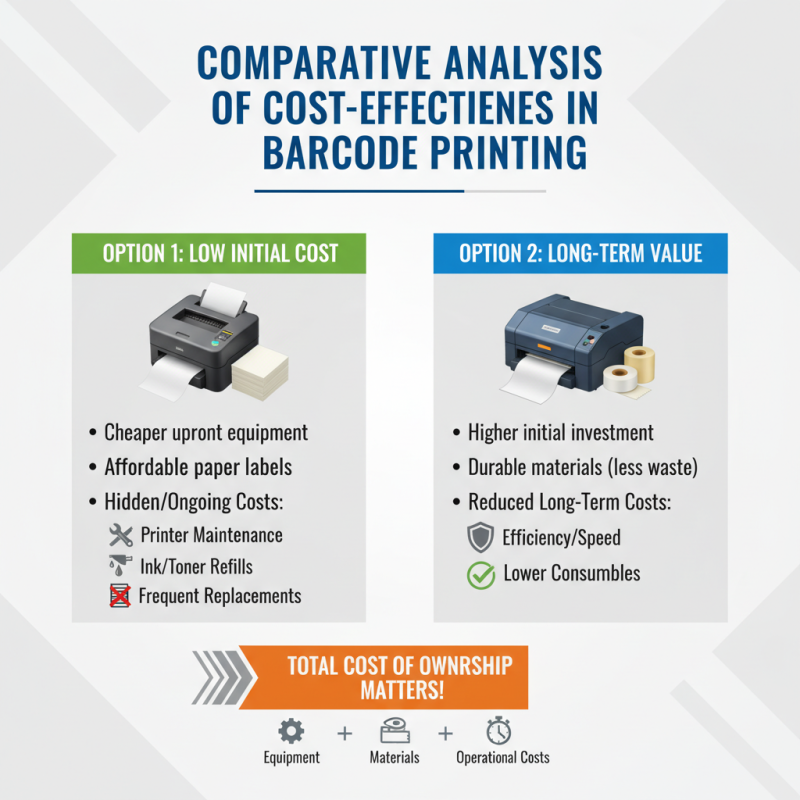
When evaluating paper barcode solutions, cost-effectiveness becomes a crucial factor. Various options exist, each with distinct pricing structures. Some solutions offer cheaper initial costs but may require ongoing expenses, like printer maintenance. Others may have a higher upfront investment but reduce long-term costs through durability and efficiency. Buyers need to analyze total cost of ownership, which includes equipment, materials, and operational costs.
Many small businesses struggle with barcode printing expenses. They might choose lower-cost materials that degrade quickly, leading to frequent replacements. This choice often results in lost time and increased waste. Additionally, an ineffective barcode can lead to scanning errors, impacting inventory management. Higher-quality barcodes can save money in the long run, despite the initial expense.
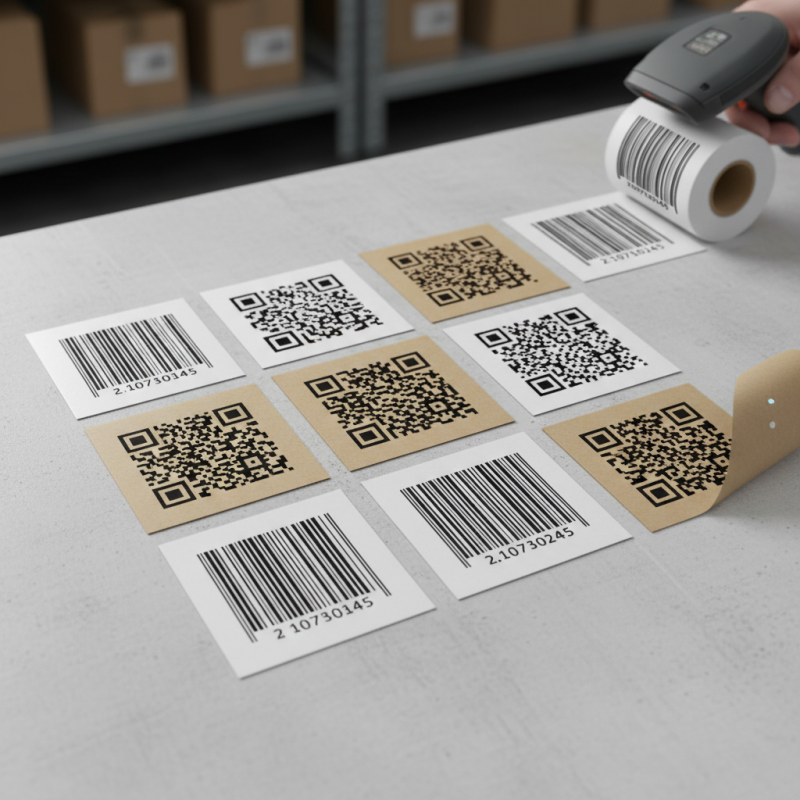
As companies seek solutions, scanning barcodes with different printers offers varied results. Understanding these nuances can aid in decision-making. Yet, many buyers overlook the importance of compatibility with existing systems. A poor fit can lead to waste, inefficiency, and frustration. Reflecting on the balance between cost and quality is essential for optimizing barcode printing solutions.
Implementing paper barcode systems has proven effective in various industries. One notable case study involved a logistics company striving for efficiency. They faced challenges with inventory management and tracking shipments. By adopting a paper barcode solution, they streamlined operations. Each package was labeled, enabling quicker scanning and data entry. This solution reduced human error and cut processing time by 30%.
In another scenario, a healthcare facility implemented paper barcodes for patient identification. Prior to this, mistakes in patient records were prevalent. The new system created a reliable link between patients and their medical histories. Staff reported fewer mix-ups in medication administration. However, issues arose when barcodes became damaged or unreadable. Staff had to adapt and develop contingency plans for cases of unreadability.
These examples illustrate the potential and challenges of paper barcode systems. Success relies on thorough training and ongoing evaluation. While benefits are evident, attention must be paid to maintaining equipment and training personnel. Continuous improvement can lead to even greater efficiency in the long run.
| Solution Name | Industry | Implementation Year | Key Features | Resulting Benefits |
|---|---|---|---|---|
| Solution A | Retail | 2021 | Multi-format barcodes, User-friendly interface | Increased checkout speed, Improved inventory accuracy |
| Solution B | Manufacturing | 2020 | Custom label generation, Real-time tracking | Reduced waste, Enhanced production efficiency |
| Solution C | Healthcare | 2019 | Patient identification, Medication tracking | Improved patient safety, Compliance with regulations |
| Solution D | Logistics | 2022 | Automated data capture, Optimized routing | Faster delivery times, Cost savings |
| Solution E | Food & Beverage | 2021 | Traceability features, Batch tracking | Enhanced product safety, Reduced recalls |
| Solution F | Transportation | 2020 | Integration with GPS, Mobile scanning | Improved route efficiency, Real-time updates |
| Solution G | Pharmaceutical | 2022 | Serialization, Compliance tracking | Reduced counterfeiting risk, Regulatory compliance |
| Solution H | E-commerce | 2021 | Order tracking, User notifications | Improved customer satisfaction, Decreased order errors |
| Solution I | Textiles | 2020 | Color coding, Material tracking | Streamlined production, Improved inventory management |
| Solution J | Aerospace | 2019 | Part traceability, Maintenance tracking | Enhanced safety, Compliance with industry standards |