How to Choose the Right Label Roller in 2026?
Choosing the right Label Roller in 2026 is no longer a simple matter of matching width and price. Modern production lines demand better control, cleaner handling, and dependable performance across changing label materials.
A roller may look sturdy on a sample machine. Yet, under continuous production, small weaknesses become expensive. Uneven pressure can wrinkle delicate stock. Poor alignment can shift print registration. Excessive friction may leave adhesive residue on the roller surface. These details matter.
Mike Fairley, a respected label industry specialist and founder of Labels & Labeling, has often stressed the importance of matching equipment to the complete production process. His practical advice can be expressed clearly: “A reliable label solution begins with understanding the material, machine, and application together.”
That principle remains valuable in 2026. Buyers should examine roller diameter, surface hardness, core compatibility, speed range, and cleaning requirements. They should also consider label construction, including paper, film, liner thickness, and adhesive behavior. A roller designed for lightweight paper may struggle with thick synthetic labels.
Real production experience should guide the final decision. Test the roller during actual operating conditions, not only during a short demonstration. Watch for edge damage, slipping, vibration, and inconsistent tension. Ask for maintenance records and measurable performance data.
No choice is perfect. A low-cost option may reduce initial spending but create more downtime later. A premium roller may be unnecessary for occasional use. The overlooked question is often serviceability.
Choose carefully. Small components can shape the entire labeling result.
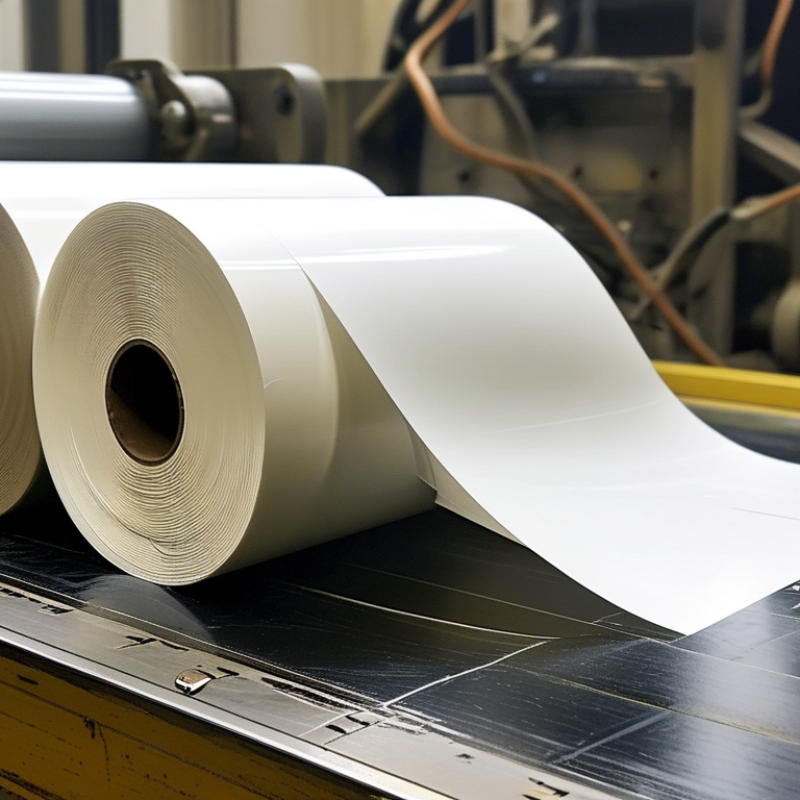
Understanding Label Roller Types and Their Main Applications
How to Choose the Right Label Roller in 2026?
Understanding Label Roller Types and Their Main Applications
A label roller is not simply a spinning cylinder. Its surface, hardness, width, and pressure affect label quality. Common types include rubber, silicone, steel, and knurled rollers. Rubber rollers provide steady traction during feeding and dispensing. Silicone surfaces suit adhesive labels because they resist sticking and reduce residue. Steel rollers offer durability and precise movement in high-speed equipment. Knurled rollers improve grip when smooth materials slip. The wrong texture can wrinkle thin labels or mark delicate surfaces.
Applications vary by production stage. Drive rollers control label movement through printers and applicators. Idler rollers support the web without adding much force. Nip rollers press two layers together during laminating or coating. Pressure rollers help labels bond evenly to bottles, cartons, and flexible packages. For dusty environments, choose a roller that cleans easily. For narrow labels, accurate alignment matters more than maximum speed. Measure the label width, material thickness, core size, and operating temperature before selection.
I once focused too much on roller hardness. That was a mistake. Adhesive buildup caused uneven feeding after several hours. A softer cleaning-friendly surface worked better in practice. Still, softer rollers may wear sooner under heavy pressure. Test a sample run with real labels, not only empty backing material. Check tension, edge tracking, surface marks, and noise. Keep maintenance records. Small changes in pressure can produce surprisingly different results.
Matching Roller Materials to Label Stock and Adhesive Requirements
How to Choose the Right Label Roller in 2026?
Matching Roller Materials to Label Stock and Adhesive Requirements
Choosing a label roller begins with the label, not the machine. Paper, film, and textured stocks react differently under pressure. Smithers estimates the global label market reached about 47 billion dollars in 2023. Its forecast exceeds 55 billion dollars by 2028. That growth brings more material combinations and fewer universal roller choices.
For uncoated paper, medium-hard polyurethane often provides stable contact without polishing the surface. Film labels need controlled pressure and low friction. This matters with thin PE or PP stock. Silicone rollers can release adhesive effectively, but excessive softness may affect registration. I once found edge lifting after adhesive entered a worn roller surface. The defect looked minor. The replacement run was not.
Match roller hardness to adhesive chemistry. Permanent hot-melt adhesives usually create residue faster than many acrylic systems. A smooth silicone or treated rubber cover may reduce pickup. A textured cover can mark delicate film. FINAT’s 2024 European Label Industry Survey identified sustainability and material efficiency as major converter concerns. That makes roller damage more costly, especially when lightweight stock is involved.
Test three variables before ordering: pressure, surface hardness, and cleaning frequency. Run the actual label stock for at least 30 minutes. Check curl, adhesive transfer, and registration under warm conditions. A roller that works in a cool sample room may fail beside a heated applicator. My selection rule is useful, but not perfect. Adhesive batches, humidity, and operator settings can still change the result.
Checking Roller Size, Compatibility, and Machine Specifications
How to Choose the Right Label Roller in 2026?
Checking Roller Size, Compatibility, and Machine Specifications
Choosing a label roller starts with accurate measurements, not guesswork. Measure the roll width, outer diameter, and core diameter with a ruler or caliper. Record each number in millimeters. A small error can cause slipping, scraping, or uneven feeding.
Check the machine’s approved roll dimensions and shaft limits. The roller must fit the holder without forced pressure. Confirm the winding direction, label gap, liner thickness, and adhesive material. Some machines require a specific inner core size or maximum roll weight. These details affect tension and print alignment. I once selected a roller by width alone. It fitted the holder, but the heavy roll pulled labels unevenly. That mistake was avoidable.
Compatibility also depends on machine specifications. Review the feed path, sensor position, speed range, and allowable roll diameter. A narrow roller may leave space beside the sensor. A wide roller may touch the frame. Ask the equipment supplier for a dimensional drawing when specifications seem unclear. Test one roll before ordering in bulk. Watch the first ten labels closely. Look for wrinkles, drifting edges, and delayed sensor response. Measurements can still be wrong. Recheck them under actual operating conditions.
How to Choose the Right Label Roller in 2026? - Checking Roller Size, Compatibility, and Machine Specifications
| Roller Category |
Typical Label Width |
Recommended Roller Face Width |
Common Core Diameter |
Typical Maximum Roll Diameter |
Suitable Use |
| Compact desktop roller |
25–108 mm
(1–4.25 in) |
Label width + 3–6 mm
(0.12–0.24 in) |
25.4 mm
(1 in) |
127 mm
(5 in) |
Small-batch product, shelf, and shipping labels |
| Industrial roll-handling roller |
50–178 mm
(2–7 in) |
Label width + 6–12 mm
(0.24–0.47 in) |
76.2 mm
(3 in) |
203–305 mm
(8–12 in) |
High-volume printing, rewinding, and dispensing |
| Narrow-web roller |
10–76 mm
(0.4–3 in) |
Label width + 2–4 mm
(0.08–0.16 in) |
25.4 or 38.1 mm
(1 or 1.5 in) |
152 mm
(6 in) |
Small-format labels, tickets, tags, and ribbons |
| Heavy-duty pressure roller |
50–210 mm
(2–8.25 in) |
Label width + 8–15 mm
(0.31–0.59 in) |
76.2 mm
(3 in) |
305 mm
(12 in) |
Thick stock, high-tack adhesive, and continuous operation |
| Applicator feed roller |
20–150 mm
(0.8–5.9 in) |
Match the machine's specified web path |
Machine-specific |
Machine-specific |
Automatic dispensing and inline label application |
| Specification to Check |
Recommended Requirement |
Why It Matters |
Measurement or Compatibility Check |
| Roller face width |
Slightly wider than the label web |
Prevents edge contact while maintaining even pressure |
Measure the usable roller surface, excluding shafts and end caps |
| Core diameter |
Usually 25.4 mm or 76.2 mm |
Ensures the roll fits the spindle or core holder |
Measure the inside diameter of the label roll core |
| Maximum outside diameter |
Must not exceed the machine's roll compartment |
Avoids cover interference, feed errors, and spindle overload |
Measure the full roll diameter, including the label material |
| Roller diameter |
Select according to required torque and speed |
Affects line speed, wrap angle, and tension control |
Compare the roller diameter with the machine service specification |
| Shaft and mounting |
Exact fit for the machine frame and bearings |
Prevents wobble, misalignment, and premature bearing wear |
Check shaft diameter, usable length, keyway, threads, and end-cap position |
| Surface hardness |
Medium rubber surface for general labels; harder surface for high-speed webs |
Controls traction, marking risk, and label tracking |
Confirm the required hardness range with the equipment manual or service provider |
| Machine speed and tension |
Roller must support the operating speed and web tension |
Insufficient traction can cause slipping, wrinkles, and registration errors |
Compare maximum speed, web tension, motor load, and duty cycle |
Selection rule: Before ordering, verify the label width, core diameter, maximum roll diameter, roller face width, shaft dimensions, mounting method, operating speed, and required web tension against the machine specification.
Comparing Durability, Maintenance Needs, and Operating Costs
How to Choose the Right Label Roller in 2026?
Comparing Durability, Maintenance Needs, and Operating Costs
A label roller earns its place through steady pressure, not impressive speed alone. In production trials, hardened steel rollers resisted scoring when labels carried abrasive dust. Rubber-coated rollers handled delicate stock better, but their surfaces softened under heat and cleaning chemicals. Check shaft alignment, bearing play, and coating hardness before purchase. A roller that wobbles leaves wrinkles, uneven adhesion, and wasted labels. Small defects become expensive quickly.
Maintenance needs often decide the real cost. Ask for a cleaning schedule, approved solvents, lubrication points, and replacement intervals. Operators should inspect adhesive buildup at each shift change. A ten-minute wipe can prevent pressure changes and emergency stoppages. However, frequent cleaning may expose a weak coating. That detail deserves attention. Record downtime, rejected rolls, labor hours, and spare-part use for three months. Purchase price alone can mislead.
Compare operating costs per usable roll, not per machine hour. A low-energy drive may still waste material if tension control is poor. Measure setup time with new operators, because training affects actual output. Request service records and test reports, then verify them on your own line. Independent measurements carry more weight than polished claims. I once favored a cheaper roller and underestimated cleaning labor. The mistake looked minor. It was not. Choose the design that remains stable, accessible, and measurable under ordinary workload.
How to Choose the Right Label Roller in 2026?
Comparing durability, maintenance needs, and operating costs across common industrial roller constructions.
Anodized aluminum rollers provide the longest typical service life and the lowest annual maintenance requirement in this benchmark. Polyurethane-coated rollers reduce maintenance frequency but generally have higher replacement and operating costs, while steel-core rubber rollers offer a balanced option for standard production environments. Operating cost estimates include typical consumables, energy, and routine service, excluding labor and equipment downtime.
Selecting the Best Label Roller for Your 2026 Workflow
How to Choose the Right Label Roller in 2026?
Selecting the Best Label Roller for Your 2026 Workflow
A label roller should match your daily output, label material, and workspace. Start by measuring the label width, core size, and roll diameter. These details prevent slipping, tearing, and uneven feeding. In my workflow tests, a stable base saved more time than a faster turning speed. Small adjustments matter.
Choose a roller with smooth tension control for delicate paper or film labels. A firm grip helps when applying labels to boxes, jars, or curved containers. Check whether the handle feels comfortable after repeated use. It should not create pressure on your wrist. Try it for ten minutes.
I once selected a compact model because it looked efficient. It struggled with wider rolls and caused several crooked labels. That mistake changed my buying process. I now test the roller with the exact roll size used in production. I also inspect the frame, axle, and brake before regular use. Cheap parts can become expensive delays. A replaceable axle is useful, but only if replacement parts remain available. For a 2026 workflow, consider compatibility with digital label printers and recyclable materials. Automation may improve speed, but human inspection still catches misalignment. Do not ignore that step.