Leave Your Message

Top Thermal Sticker Roll Suppliers for Global Buyers

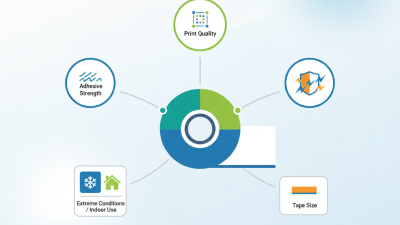
Choosing a Thermal Sticker Roll supplier can shape more than the appearance of a label. It affects scanning, handling, and the time teams spend replacing faded prints. Small details matter. A roll that feeds smoothly through a desktop printer may behave differently in a high-volume warehouse. Buyers should compare face-stock material, adhesive strength, roll width, core size, and winding direction. They should also ask how print clarity holds up under heat, friction, and storage. These checks sound basic, but they can prevent avoidable production delays.

This guide considers suppliers serving global buyers and keeps practical purchasing needs in view. Rather than relying on polished catalogs alone, buyers can request samples, technical data sheets, and clear answers about product tolerances. A supplier’s production capacity, quality-control process, packaging, lead times, and communication habits all deserve attention. For international orders, confirm packaging details, shipping timelines, and whether specifications stay consistent between repeat batches. These are useful checks, not guarantees. A sample cannot reveal every issue across a full production run, which is worth remembering. A retailer printing shelf labels may need a different roll from a logistics team tracking cartons through several handling points. The sections ahead outline supplier comparisons, common questions, and practical signals that can help buyers build a more informed shortlist.
Top Thermal Sticker Roll Suppliers for Global Buyers

Understanding Thermal Sticker Rolls and Their Global Applications

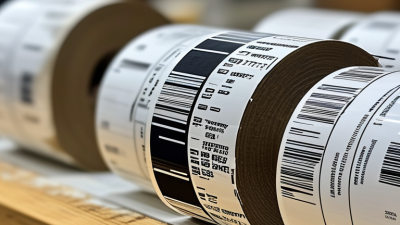
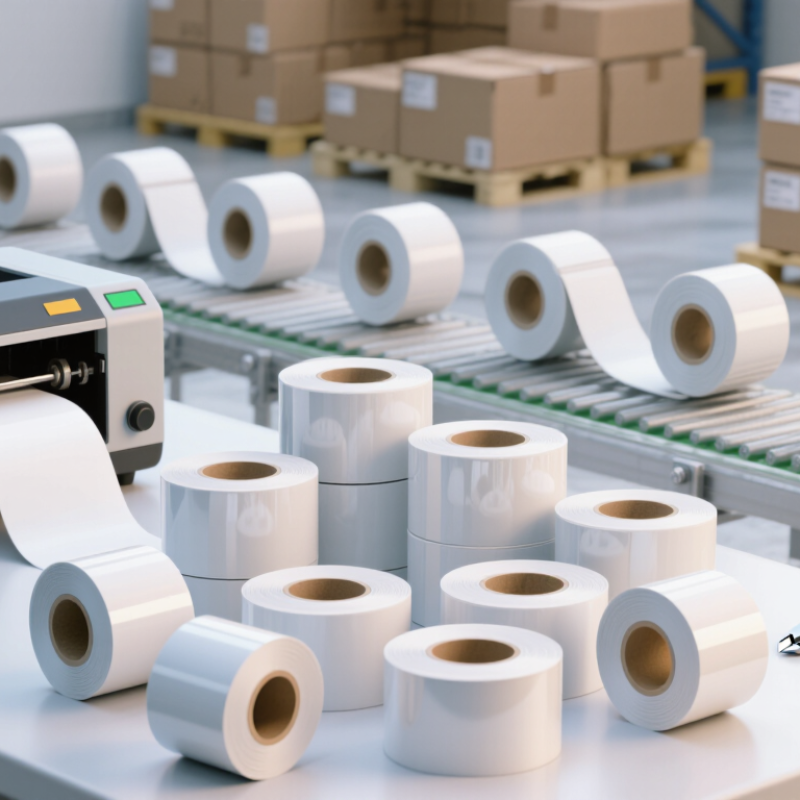
Thermal sticker rolls are pressure-sensitive labels wound around a core, ready for use in printers. Direct thermal stock darkens when heated and needs no ribbon. Thermal transfer stock uses a ribbon, often making it more suitable for labels that face abrasion or longer storage. That distinction matters. A shipping label may need to last only through delivery, while a warehouse location label may remain in place for months.

Grand View Research’s Thermal Paper Market report estimated the global market at about USD 4.3 billion in 2023, with growth projected through 2030. This figure covers thermal paper broadly, not sticker rolls alone, so it should not be read as a label-sales estimate. Still, it signals the scale of thermal printing across retail, logistics, and service operations. In practice, roll width, core size, adhesive strength, and printer compatibility can matter as much as headline price.

Applications vary with the environment. Parcel labels need clear barcodes and reliable adhesion on corrugated cartons. Retail labels must print quickly at checkout, while cold-storage labels need adhesives that hold on chilled surfaces. A common oversight is choosing stock by printer type alone. Moisture, sunlight, and handling can fade or damage some direct thermal images. Buyers should test sample rolls under real storage and transport conditions; specifications do not always capture messy daily use.


Key Criteria for Evaluating Thermal Sticker Roll Suppliers

A reliable thermal sticker roll supplier should explain the paper grade, coating, adhesive, core size, and winding direction clearly. Match these details to your printer and application, not just a product description. A label used on chilled packaging may need different adhesive performance from one applied to a dry carton. Ask how the rolls are protected from heat, moisture, and direct sunlight during storage and transit. Small details matter.

Request samples and test them on your actual printer, at normal speed. Check barcode clarity, print darkness, edge lift, adhesive residue, and whether the roll feeds smoothly. A neat sample is not enough; test labels on the real surface and allow time for adhesion to settle.

Ask for batch identification, quality inspection records, and a practical process for resolving defects. These help you compare repeat orders, not just the first delivery. Lead time, minimum order quantity, and packaging should also fit your purchasing schedule.

A perfect specification sheet can still miss what happens on a busy production line. It is easy to focus on price, but inconsistent coating or winding can create downtime that costs more. Good suppliers answer technical questions with specific information and acknowledge where a material may not suit your use.

Leading Thermal Sticker Roll Suppliers Across Major Markets

Thermal sticker roll suppliers serve different needs across North America, Europe, and Asia-Pacific. In North America, buyers often prioritize fast replenishment and consistent roll dimensions for warehouse and retail printers. European purchasers may ask for tighter documentation on paper sourcing and product specifications. In Asia-Pacific, high-volume converting capacity can support shorter lead times, though quality still depends on the specific mill and coating process. Details matter.

Smithers’ The Future of Labels and Release Liners to 2028 estimates that the global label market reached about 78.8 billion square metres in 2023. That scale helps explain why suppliers operate across multiple regions, but it does not guarantee uniform thermal performance. Buyers should compare basis weight, adhesive tack, core size, winding direction, and print darkness using samples from actual printers. Test the rolls in warm storage too. A label that scans well at dispatch may fade on a sunlit parcel. Supplier comparisons should also cover batch traceability, packing protection, and realistic delivery windows. These checks are practical, not glamorous. I would still treat quoted lead times cautiously, since seasonal demand and shipping delays can change them. A regional supplier may reduce transit time, while a larger exporter may offer more stable capacity; neither advantage replaces a documented sample test.

Top Thermal Sticker Roll Suppliers for Global Buyers - Leading Thermal Sticker Roll Suppliers Across Major Markets

A region-by-region procurement guide to common thermal label requirements and supplier evaluation points. Requirements vary by application, printer, and destination country.

Major Market Common Buyer Applications Roll and Label Specifications to Confirm Supplier Capabilities to Evaluate Documentation and Compliance Checks
North America Parcel shipping, retail price labels, inventory identification, and warehouse operations. Label width and height; roll outside diameter; core size; direct thermal or thermal transfer compatibility; perforation and winding direction. Consistent converting, custom roll dimensions, reliable repeat orders, sample availability, and shipment planning for the buyer’s printer fleet. Confirm the intended application and destination-specific requirements. For labels used with food or packaging, assess applicable material and use conditions rather than assuming every label is suitable.
Europe Retail, logistics, product identification, and manufacturing traceability. Adhesive performance on the actual surface; print durability; label dimensions; core and roll specifications; storage conditions. Documented material specifications, batch consistency, technical support, and the ability to provide product information for customer reviews. For products placed on the EU market, buyers may need to assess applicable chemical requirements, including REACH, according to the product and its intended use.
East Asia High-volume parcel handling, retail checkout, manufacturing, and electronics identification. Printer compatibility; barcode readability; coating type; roll capacity; adhesive choice; and performance under the expected temperature and humidity conditions. Stable production capacity, quality-control records, precise roll winding, and clear communication of production tolerances. Confirm the importing country’s labeling, chemical, and product documentation requirements with the importer or compliance adviser.
South Asia E-commerce fulfillment, courier services, retail, and inventory management. Adhesion to cartons, plastic packaging, or other target surfaces; resistance to handling; roll dimensions; and compatibility with local printer models. Flexible order quantities, dependable lead-time estimates, sample testing, and options for common standard or custom formats. Verify import documentation, product descriptions, and any applicable local requirements before shipment.
Latin America Shipping labels, retail labeling, distribution centers, and stock control. Adhesive suitability for the packaging surface; print contrast; roll core and diameter; label size; and storage-life information from the supplier. Export experience, protective packaging for rolls, production traceability, and clear handling of custom specifications. Check destination-country import rules and any sector-specific requirements that apply to the labeled goods or their packaging.
Middle East and Africa Logistics, retail, warehousing, and product identification across varied operating environments. Adhesive performance, thermal coating suitability, expected exposure to heat or sunlight, roll dimensions, and printer compatibility. Export-ready packing, documented product specifications, dependable replenishment planning, and technical assistance with material selection. Confirm country-specific customs and product requirements. Where labels face heat, sunlight, or extended storage, request application-specific testing data.

Buyer note: This is a market-oriented comparison framework, not a ranked list of named suppliers. Test samples on the intended printer, packaging surface, and operating conditions before placing a production order.

Comparing Supplier Quality, Certifications, and Customization Options

When comparing thermal sticker roll suppliers, inspect more than a glossy sample. Check whether roll edges are clean, labels separate smoothly, and print remains dark across the roll. Test a sample in your own printer. Small details matter. A weak coating may look fine at first, then produce pale barcodes after storage or exposure to heat.

Ask suppliers for documented quality checks, batch traceability, and certificates relevant to the product and destination market. Verify what each certificate actually covers; a factory-level document may not certify every label material. Request recent test results for print sensitivity, image durability, and adhesive performance. These checks are useful, but they cannot replace handling a sample yourself. I learned that the hard way.

Customization can include label width and length, core diameter, roll direction, gaps, perforation, liner, and adhesive strength. Share a clear specification sheet, then confirm it against a physical sample before placing a large order. Some suppliers may accommodate unusual sizes but require higher minimum quantities or longer lead times. Not always. Ask how changes affect price, production timing, and consistency between batches. Compare written specifications alongside sample results, rather than relying on broad claims such as “premium quality.” A small mismatch in core size can stop a roll from fitting your printer.

How Global Buyers Can Select and Source the Right Supplier

Global buyers should define the application before comparing thermal sticker roll suppliers. Start with the printer model, label width, roll diameter, core size, and expected monthly volume. Ask suppliers to specify paper grade, adhesive type, winding direction, and whether the material suits direct thermal printing. Small details matter. A roll that fits the printer may still jam if its outer diameter or core is wrong. Request samples from the production batch, not only a polished showroom sample. Test barcode clarity, adhesive hold, and print performance on the actual packaging surface. Also check how labels behave after exposure to heat, moisture, or routine handling.

Compare quotations against the same technical specification. A low unit price can hide costs from oversized minimum orders, inconsistent winding, or long lead times. Ask for recent quality records, batch identification, packaging details, and a clear process for handling defects. Confirm production capacity and shipping schedules in writing, especially before seasonal demand rises. Keep sample rolls from each approved batch for comparison. Useful, but not foolproof. A spreadsheet cannot reveal every production variation. Buyers should clarify payment terms, delivery responsibilities, and inspection arrangements before placing a large order. Store sample rolls in their original packaging and note the test date, printer settings, and results. Those records make later supplier discussions more concrete.