What is a Thermal Sticker Roll and How to Use It?
A Thermal Sticker Roll is an essential tool in various industries, from retail to logistics. These rolls feature special heat-sensitive paper that produces prints when exposed to heat. Businesses rely on Thermal Sticker Rolls for barcodes, shipping labels, and product tags. This technology simplifies labeling processes and improves operational efficiency.
Using a Thermal Sticker Roll can seem straightforward, yet there are challenges. Misalignment during printing can waste materials. Additionally, poor quality stickers can lead to unreadable labels, causing operational hiccups. It's crucial to choose the right printer settings for optimal results.
Understanding how to utilize a Thermal Sticker Roll effectively can enhance productivity. Whether you're a small business owner or part of a larger corporation, knowing the ins and outs is vital. A good understanding of this technology fosters innovation and improves accuracy in labeling tasks. As you explore the uses of Thermal Sticker Rolls, reflect on your current practices to identify areas for improvement.
What is a Thermal Sticker Roll?
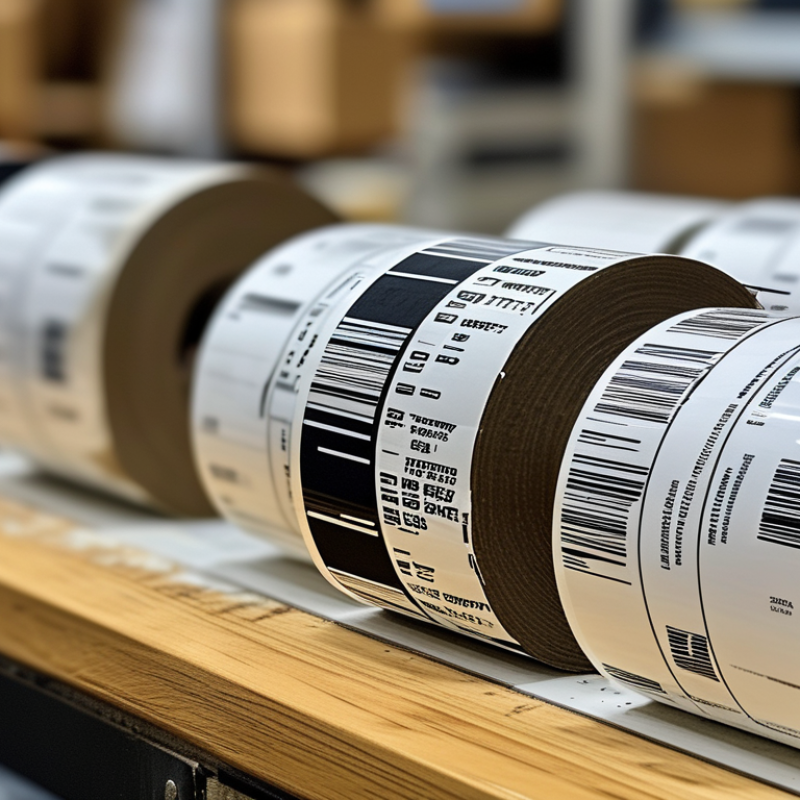
A thermal sticker roll consists of adhesive labels that use heat to produce images or text. This technology is widely utilized across various industries, from retail to logistics. In 2022, the global thermal printer market was valued at approximately $4.9 billion, showcasing its significance in business operations. Thermal sticker rolls enable efficient labeling, streamlining processes in warehouses and shipping departments.
These rolls come in various sizes and materials, allowing for customization based on specific needs. Common applications include product labeling, inventory management, and shipping identification. The ease of use is appealing. You can print directly from compatible thermal printers, eliminating the need for ink or toner. However, the reliance on heat-sensitive materials raises concerns about durability and longevity.
Thermal sticker rolls may fade over time, particularly if exposed to sunlight or high temperatures. Businesses must weigh the benefits of cost-effectiveness against potential fading issues. Some reports suggest that improper storage conditions can reduce the lifespan of these labels by up to 50%. It’s essential for companies to assess their labeling environment and take proactive measures to ensure optimal performance.
Types of Thermal Sticker Rolls Available
Thermal sticker rolls come in various types, each designed for specific applications. The main options include direct thermal and thermal transfer rolls. Direct thermal rolls use heat-sensitive paper that changes color when heated. They are ideal for short-term labels and do not require ink or ribbons. On the other hand, thermal transfer rolls utilize a ribbon to transfer ink onto the label. This results in more durable and long-lasting labels, suitable for shipping, barcoding, and labeling products.
When selecting a thermal sticker roll, consider the intended use. For temporary labels, direct thermal is cost-effective. However, for items exposed to moisture or sunlight, thermal transfer is the better choice. The right type depends on your specific needs.
**Tips:** Always check the width and diameter of roll when purchasing. Ensure compatibility with your label printer. This can save you from compatibility issues. Store unused rolls in a cool, dry place. This will help maintain their performance and longevity.
What is a Thermal Sticker Roll and How to Use It? - Types of Thermal Sticker Rolls Available
| Type of Thermal Sticker Roll |
Width (mm) |
Length (m) |
Core Size (mm) |
Use Case |
| Direct Thermal |
50 |
30 |
25 |
Shipping Labels |
| Thermal Transfer |
100 |
100 |
40 |
Product Labels |
| Paper Thermal |
75 |
50 |
38 |
Retail Labels |
| Synthetic Thermal |
150 |
150 |
50 |
Industrial Labels |
How Thermal Sticker Rolls Work: A Guide
Thermal sticker rolls are essential for efficient labeling and printing. They use heat to transfer ink onto a surface, typically paper or plastic. This method is popular in logistics, retail, and inventory management. Reports estimate that thermal printing accounts for about 35% of the global labeling market, indicating its growing importance.
The working mechanism is straightforward. A thermal printer heats the thermal head, which contacts the sticker surface. This process creates a visible image. However, not all thermal stickers are the same. Care must be taken to choose the right type for your printer. For instance, direct thermal labels can fade when exposed to heat or sunlight.
Tips: Always check your printer compatibility before purchasing. Test different label materials to find the best quality. It's common to experience smudging if the printer is set to high speed without proper label calibration. Experimenting with temperatures can yield better print results. Monitoring these details enhances efficiency and saves costs. Mistakes in material choice can lead to wasted rolls, which is a costly error.
Thermal Sticker Roll Usage Comparison
Steps to Properly Use Thermal Sticker Rolls
When using thermal sticker rolls, precision is essential for an effective labeling process.
Start by ensuring your thermal printer is compatible with the sticker roll size.
Check if the printer settings match the roll dimensions. Misalignment can lead to wasted materials.
Load the roll carefully, making sure it feeds properly through the printer’s mechanism.
Once loaded, use the printer software to select the right label design. This might require some trial and error.
Test prints can help confirm sizing and clarity. If the first print is off, adjust the design before moving on.
Common issues include ink smudges or incomplete prints. These often result from improper calibration or low-quality sticker rolls.
The application process is straightforward, but it may take practice to master.
Align the sticker precisely where it needs to go. If it gets stuck or misaligned, gently peel it off and retry.
Attempting to reposition a stuck sticker can lead to tears. Using a smoother or tool can help achieve a perfect finish.
Learning from these small mistakes fosters improvement and aids efficiency in future labeling tasks.
Benefits of Using Thermal Sticker Rolls in Various Applications
Thermal sticker rolls offer numerous benefits across various settings. These rolls utilize heat to transfer ink onto labels, ensuring high-quality prints. They are widely used in retail, shipping, and inventory management. The clarity of thermal prints is essential for barcodes and shipping labels. This clarity facilitates quick scanning and improves operational efficiency.
One significant advantage is their cost-effectiveness. Thermal stickers often eliminate the need for ink or toner, lowering operational expenses. Businesses benefit greatly from this reduction in long-term costs. Additionally, these stickers withstand various environmental conditions. They are resistant to smudges and fading, ensuring that important information remains readable over time.
However, it's not all perfect. Some thermal labels may only work well in specific temperature ranges. This limitation can lead to prints deteriorating under extreme heat or cold. Users must pay attention to storage conditions to maximize the lifespan of their thermal rolls. Regularly checking for compatibility will prevent unexpected issues during use. Embracing these tools requires awareness and care but promises significant advantages when applied correctly.