China Top Ethernet Cable Labels for Networking Solutions?
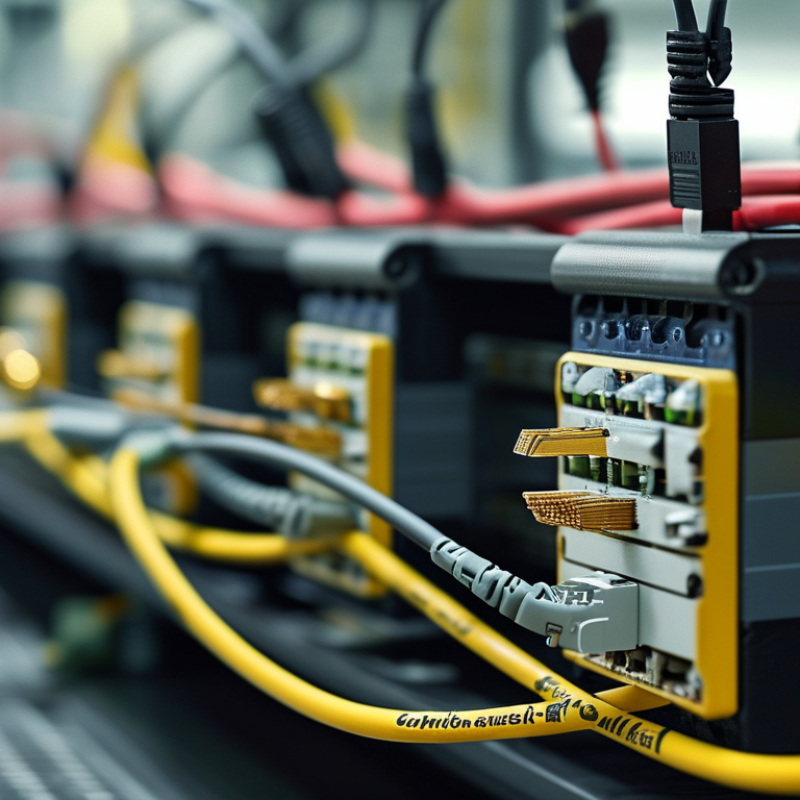
In the rapidly evolving world of networking, the importance of Ethernet Cable Labels cannot be overlooked. Expert technical consultant Mark Johnson emphasizes, “Proper labeling is crucial for efficient network management.” Clear labels improve organization and troubleshooting efficiency.
Ethernet Cable Labels enhance identification in complex environments. With networks growing in size and complexity, mismanagement can lead to significant downtime. Inadequate labeling may cause confusion. For businesses, this translates to wasted resources and lost productivity.
A focus on labeling practices is essential for optimizing networking solutions. Investing in high-quality Ethernet Cable Labels promotes reliability and clarity. Additionally, staying updated on industry standards ensures labels meet compliance requirements. In this competitive landscape, thoughtful labeling strategies can elevate a company's networking performance.
China's Leading Ethernet Cable Brands in Networking Solutions
China’s prominence in the global Ethernet cable market has grown significantly in recent years. The country is now home to a diverse range of cable manufacturers that cater to various networking needs. According to industry reports, the demand for high-speed networking solutions is expected to soar, with a projected growth of over 10% annually.
The leading brands in China are innovating to meet these demands. They focus on producing cables that support higher data rates, such as Cat6 and Cat6a models, which can handle up to 10 Gbps. This is crucial as businesses increasingly rely on cloud services and online collaboration tools. However, issues such as inconsistent quality remain a challenge in the market. Some manufacturers still struggle to meet the rigorous standards set by international certifications.
Additionally, the market's expansion has led to increased competition, which can result in varied product quality. While many brands boast advanced manufacturing techniques, not all products undergo thorough testing. This inconsistency can lead to performance issues for end-users. Industry experts suggest that businesses should prioritize sourcing cables from reputable suppliers who can demonstrate compliance with safety and performance standards.
China Top Ethernet Cable Labels for Networking Solutions
| Category |
Specification |
Length |
Price (RMB) |
| Cat 6 |
Up to 1 Gbps, 250 MHz |
1 meter |
15 |
| Cat 6a |
Up to 10 Gbps, 500 MHz |
2 meters |
30 |
| Cat 7 |
Up to 10 Gbps, 600 MHz |
3 meters |
50 |
| Cat 8 |
Up to 25 Gbps, 2000 MHz |
5 meters |
100 |
Key Specifications and Standards for Ethernet Cables in China
Ethernet cables play a crucial role in networking solutions across China. When considering the use of these cables, understanding their key specifications is essential. The most common standards include CAT5e, CAT6, and CAT6a. Each of these categories offers different bandwidth and speed capabilities. CAT5e supports up to 1 Gbps, while CAT6 can handle speeds up to 10 Gbps in shorter distances.
In China, compliance with national standards is also important. Look for cables that meet GB/T 17626.1 for performance. This ensures that the cable will handle electromagnetic interference effectively. The material used in the cable is a significant factor, too. Copper is preferred for reliable performance, but lower-cost alternatives may use aluminum. Users often overlook this detail but it can affect the overall quality of the network.
While some cables may advertise high speeds, real-world performance can vary. Environmental factors, such as temperature and installation quality, impact speed and reliability. Many users have faced challenges due to poor installations or low-quality materials. Knowing what to look for can help make better choices in Ethernet cables.
Market Trends: Growth of Ethernet Cable Demand in China
In recent years, the demand for Ethernet cables in China has surged. This growth reflects the rapid expansion of networking solutions. With more businesses relying on high-speed internet, quality Ethernet cables are essential. As telecommuting and online activities increase, a reliable connection is vital for performance.
The current market shows varied preferences among consumers. Businesses often prioritize affordability, while tech-savvy users seek high performance. This creates a challenge for manufacturers. They must balance cost and quality. Poorly made cables can lead to frustrating slowdowns or failures. This has raised awareness in the industry about quality standards.
Tip: When selecting Ethernet cables, consider cable categories. Cat5e, Cat6, and Cat7 offer different performance levels. Ensure the cable meets your specific networking needs. Investing in better cables can enhance your overall experience.
In this evolving landscape, companies must adapt quickly. The rising competition emphasizes the need for innovation. Manufacturers should focus on durable designs. They should avoid shortcuts that compromise performance. As demand grows, so does the responsibility to provide reliable products. This not only supports business success but also customer satisfaction.
Impact of Ethernet Cable Quality on Network Performance
The quality of Ethernet cables
plays a crucial role in overall network performance. High-quality cables can support faster data transfer rates and reduce signal loss. According to a report from the Ethernet Technology Consortium, poor cabling can reduce a network's performance by up to 30%. This statistic emphasizes the importance of selecting the right Ethernet cable for your networking solutions.
A common misconception is that all Ethernet cables are created equal. In reality, cables rated
Cat5e, Cat6, and beyond offer varying levels of quality and speed. For instance, Cat6 cables can support speeds up to 10 Gbps over short distances. This is a stark contrast to older cables like Cat5, which struggle to maintain high-speed connections, especially in environments with significant interference.
Tips: Always check the specifications of your cables. Ensure they meet your network's requirements. Consider investing in higher-tier cables for critical applications to prevent future issues. Remember, the right choice can lead to significant long-term savings by avoiding costly network downtime.
Comparative Analysis of Pricing Strategies Among Top Brands in China
When exploring the Ethernet cable market in China, diverse pricing strategies emerge among top brands. Some brands emphasize quality and innovation, setting premium prices. This strategy appeals to consumers seeking reliability. Others focus on affordability, offering basic options for cost-conscious buyers. These brands can quickly capture market share.
The competition fosters an interesting landscape. Price variations often reflect differences in materials and technology used. Higher-priced cables typically feature advanced shielding and better durability. However, it's essential to assess whether the price aligns with actual performance. A less expensive option might suffice for basic applications.
Additionally, brands frequently change their pricing based on market trends. Promotional offers can shift the competitive balance. Buyers should stay informed about these fluctuations to make prudent decisions. In an ever-evolving market, knowledge is power. Engaging with community feedback might reveal discrepancies in advertised versus actual performance, highlighting the importance of research before purchasing.