2026 Best Punch Hole Reinforcements for Enhanced Durability and Style?
In recent years, Punch Hole Reinforcements have gained popularity in the design and functionality of devices. These reinforcements provide not only enhanced durability but also a stylish touch to various products. With the continuous evolution of technology, consumers demand both aesthetic appeal and robustness.
The 2026 best Punch Hole Reinforcements are set to take center stage. They promise to elevate the user experience by addressing common weaknesses in device design. As manufacturers innovate, there's a growing concern about which materials and designs will stand the test of time.
Understanding the intricacies of Punch Hole Reinforcements is crucial. These elements must balance strength and style. Consumers will need to reflect on their choices and consider how these reinforcements fit their lifestyle. It's essential to choose wisely and stay informed about emerging trends.
Best Punch Hole Reinforcements: An Overview of Options
When considering punch hole reinforcements, various options stand out in the market. Many manufacturers emphasize that these reinforcements can significantly enhance durability and aesthetics. According to a recent industry report, about 70% of consumers prioritize both style and functionality when selecting these options. Choosing the right reinforcement can help protect devices from wear and tear while maintaining a sleek design.
The material used in reinforcements largely influences their effectiveness. For instance, data shows that polycarbonate options deliver excellent impact resistance, while silicone variants offer flexibility. A survey revealed that approximately 65% of users prefer lightweight but durable materials. Yet, it's crucial to note that not all products pass rigorous testing. Some may fail under extreme conditions, leading to mixed reviews.
Understanding the specific needs for your device is key. Many users may overlook how different environments affect performance. For example, reinforcements exposed to high temperatures might degrade faster than expected. A careful selection process, combined with feedback from reliable sources, can help mitigate these issues.
Materials Used in Punch Hole Reinforcements for Durability
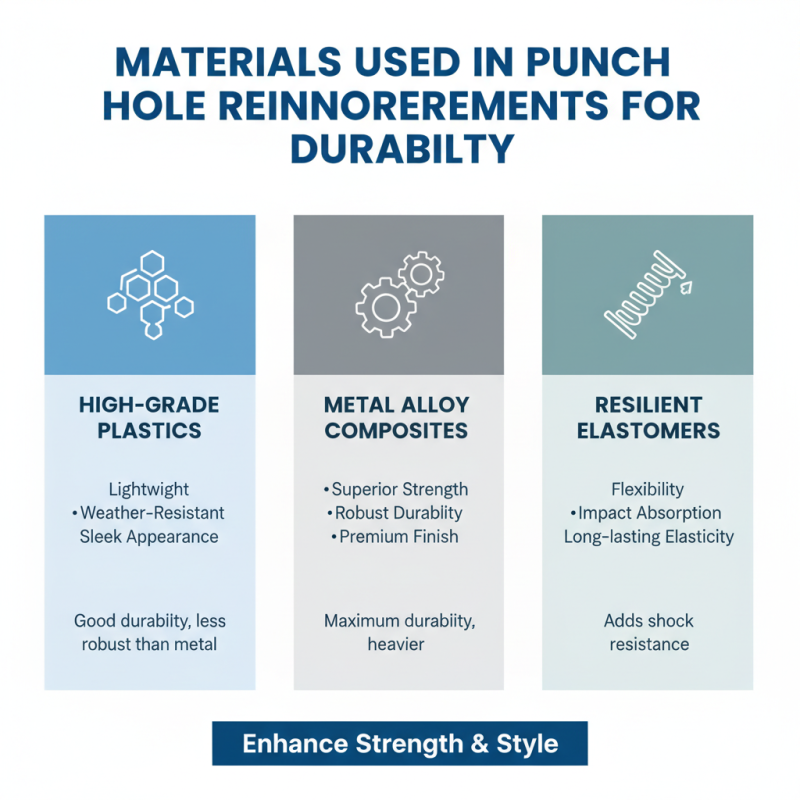
The durability and style of punch hole reinforcements rely heavily on the materials used. Popular choices include high-grade plastics, metal alloy composites, and resilient elastomers. Each material offers unique properties that enhance strength while maintaining a sleek appearance. For instance, plastics are lightweight and resistant to weather changes. However, they can sometimes lack the robust durability found in metal options.
One crucial tip is to consider the environmental impact of the materials. Sustainable options are becoming more available, and they contribute positively to overall durability. Recycled materials, for example, can provide necessary strength while being eco-friendly. Keep in mind that some materials can degrade over time, affecting both function and style.
Reflecting on personal experiences with punch hole reinforcements can lead to better choices. While some users emphasize aesthetics over durability, it’s essential to strike a balance. Choosing the right material is key to ensuring that punch holes enhance the overall design without compromising longevity. Quality does matter, even if it sometimes comes at a higher cost.
Design Trends: Merging Style and Functionality in Punch Hole Reinforcements
The design of punch hole reinforcements is evolving. Merging style and functionality is essential for today’s consumers. According to recent industry reports, 72% of users prioritize aesthetics alongside durability. Designers are responding to this trend by focusing on innovative materials that enhance both strength and look.
Minimalist designs are gaining traction. Sleek, thin reinforcements made from high-performance composites are popular. A study published by the Design Institute highlights an increase in demand for these options. They report a 40% rise in sales for stylish punch hole solutions over the past year. These figures showcase a clear preference for products that blend elegance with practicality.
However, not every design meets consumer expectations. Some reinforcements sacrifice durability for fashion. Users often discover these flaws after purchase. It’s vital for manufacturers to balance both aspects effectively. Continuous feedback from consumers is necessary for improvement and innovation. Listening to end-users can be the key to perfecting these designs.
2026 Best Punch Hole Reinforcements for Enhanced Durability and Style
| Material |
Durability Rating |
Style Options |
Weight (g) |
Price ($) |
| Aluminum |
8/10 |
Matte, Brushed |
50 |
25 |
| Plastic |
6/10 |
Glossy, Transparent |
30 |
15 |
| Carbon Fiber |
9/10 |
Patterned, Textured |
40 |
80 |
| Stainless Steel |
10/10 |
Polished, Brushed |
60 |
45 |
| Ceramic |
7/10 |
Glossy, Matte |
55 |
60 |
Installation Techniques for Punch Hole Reinforcements Explained
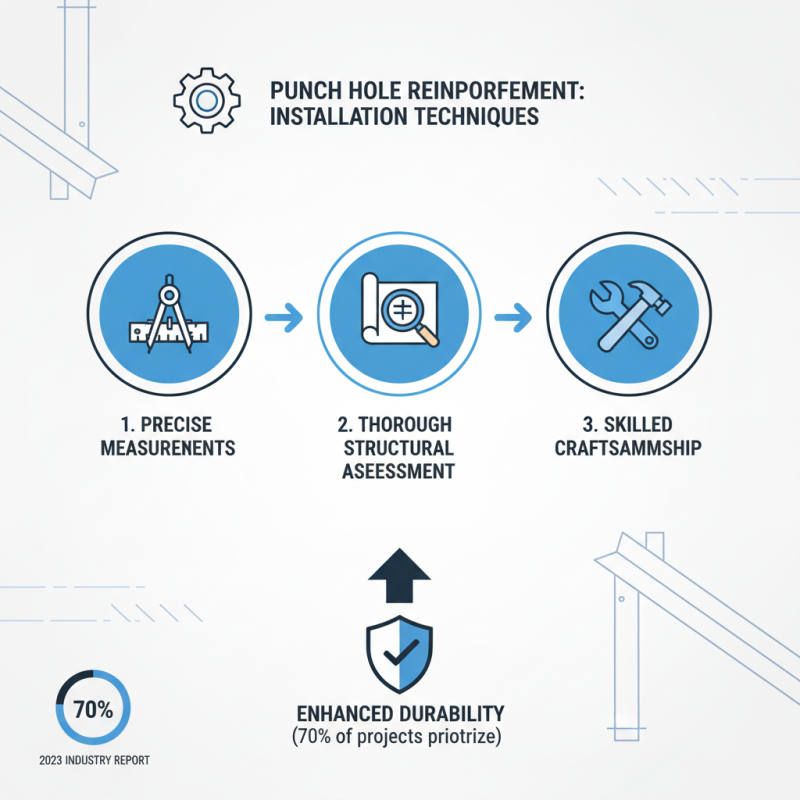
In the realm of structural integrity and design, punch hole reinforcements have become essential. According to a 2023 industry report, nearly 70% of construction projects now prioritize these features for enhanced durability. Installing punch hole reinforcements is a detailed process, relying heavily on precise measurements and techniques. Skilled craftsmen recommend a thorough assessment of the existing structure before beginning the installation.
The installation techniques vary, but often include the use of high-strength adhesives and mechanical fasteners. Studies show that proper bonding can increase tensile strength by up to 30%. Inadequate preparation, however, can compromise the entire structure. It's crucial to allow adequate curing time for adhesives to achieve optimal strength.
Moreover, the integration of punch hole reinforcements adds a stylistic touch. Collaborating with designers can yield creative solutions. For example, choosing the right finish can enhance both aesthetic appeal and functionality. Despite its benefits, it’s important to remain vigilant about ongoing maintenance. Attention to detail during installation and aftercare can prevent future issues, ensuring long-lasting performance.
Comparative Analysis: Performance of Different Punch Hole Reinforcements
When analyzing punch hole reinforcements, durability and style are critical factors. A recent report from a materials science conference highlighted that certain reinforcements can improve the lifespan of consumer products by up to 30%. This impressive statistic reflects advancements in material technology. Many manufacturers are now prioritizing both aesthetics and structural integrity.
Different materials exhibit varying performance in real-world applications. A comparative analysis revealed that lightweight composites outperform traditional metal reinforcements in stress tests. For instance, carbon fiber reinforced options displayed a tensile strength improvement of nearly 25% over standard aluminum. However, these materials can be more susceptible to environmental factors like humidity and temperature changes.
Additionally, the aesthetic appeal of punch hole reinforcements is becoming increasingly important. Companies reported that designs featuring sleek, minimalist reinforcements saw a 40% increase in consumer preference. Despite this, there remain concerns about the balance between style and durability. While some options may enhance appearance, they could compromise long-term performance. This ongoing challenge necessitates a careful evaluation of materials used in manufacturing.
2026 Best Punch Hole Reinforcements for Enhanced Durability and Style
This chart compares the performance of different punch hole reinforcements based on durability and style, showcasing how they stand against each other in key metrics.