Leave Your Message

What Are the Top 10 Label Tape Roll Types to Buy?

Choosing the right Label Tape Roll can feel simple until labels peel, fade, or jam inside the printer. A roll that performs well on cardboard may fail on glass, metal, plastic, or refrigerated packaging. The surface changes everything.

This guide examines the top 10 Label Tape Roll types worth considering for offices, warehouses, retail shelves, laboratories, and home organization. It covers direct thermal and thermal transfer rolls, removable and permanent adhesive options, colored rolls, clear labels, fabric styles, magnetic formats, and durable industrial materials. Each type serves a different purpose. Some are designed for sharp text. Others handle moisture, heat, abrasion, or frequent handling.

Real-world buying decisions often depend on small details. A warehouse label may face dust and forklift traffic. A pantry label may need clean removal after several months. A shipping label needs reliable adhesion, while a temporary shelf marker should not leave a sticky outline. Roll width, core size, printer compatibility, adhesive strength, and storage conditions also matter.

No single roll fits every task. That is easy to forget. Even experienced buyers sometimes focus on price and overlook liner quality or environmental limits. I have found that a cheaper roll can become expensive after reprinting, cleaning residue, or replacing damaged labels. Still, product claims should be checked carefully. Not every “waterproof” label survives constant sunlight or chemical exposure. The following overview compares practical strengths and weaknesses, helping you choose with fewer surprises and better confidence.
What Are the Top 10 Label Tape Roll Types to Buy?

Label Tape Roll Basics: Materials, Sizes, and Core Compatibility

Choosing among the top ten label tape roll types starts with material, adhesive, and machine fit.

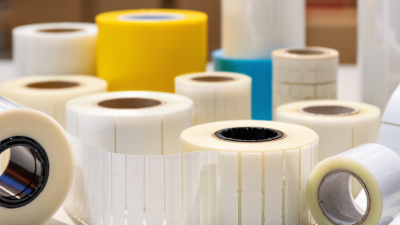
Common options include coated paper, uncoated paper, direct thermal, thermal transfer, polypropylene, polyester, vinyl, removable adhesive, permanent adhesive, and clear film. Paper suits indoor cartons and short-term identification. Synthetic films resist moisture, abrasion, and chilled storage better. Direct thermal rolls need no ribbon, but heat and sunlight can darken them. Thermal transfer rolls usually offer stronger image durability.

Size is less simple than it looks. Check width, outside diameter, winding direction, and core diameter before ordering. Typical cores measure 1 inch, 1.5 inches, or 3 inches. A roll can fit the width yet fail on the spindle. Fit matters. Smaller desktop units often accept compact rolls, while industrial applicators require larger diameters. In practical testing, uneven winding caused feeding problems more often than poor adhesive quality.

Industry data supports careful selection. Smithers’ global labels outlook forecasts continued growth through 2028, driven partly by durable film and specialty label demand. FINAT’s 2024 Radar reported a decline of about 1.5% in European self-adhesive label volumes during 2023. That change makes waste reduction more important. Measure one used roll, including its core and outer diameter. I have found that catalog dimensions can be incomplete, especially for adhesive temperature ranges. A supplier’s technical sheet should state storage conditions, surface compatibility, and expected service life. Do not rely on appearance alone.
How to Choose Label Tape for Printers, Surfaces, and Environments

What Are the Top 10 Label Tape Roll Types to Buy?

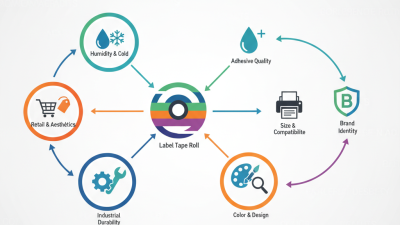
Choosing label tape starts with the printer, not the color. Check the printer’s width, core size, printing method, and heat settings. Direct thermal rolls suit short-term labels, while thermal transfer rolls usually handle longer storage. The most useful ten types include laminated, paper, clear, removable, permanent adhesive, waterproof, heat-resistant, cold-resistant, fabric, and colored tape. Each solves a different problem.

Match the tape to the surface. Smooth plastic often accepts permanent adhesive well. Glass may need removable tape. Cardboard usually works with paper tape, but dusty surfaces reduce adhesion. For metal tools, choose a durable adhesive and test a small area first. Textured walls are difficult. Sometimes no tape performs reliably there.

Think about the environment. Freezers need cold-resistant adhesive, while kitchens require moisture-resistant material. Outdoor labels face rain, sunlight, and temperature changes. Keep rolls sealed when not in use. Humidity can affect printing quality. I once selected a strong adhesive for painted storage bins, then found residue during removal. That mistake changed my testing routine. A small trial label can reveal curling, smearing, or weak bonding before a full roll is wasted. There is no perfect tape.

Top 10 Label Tape Roll Types and Their Best Uses

Roll choice is a fit problem. FINAT Radar 2024 reported a 0.5% decline in European self-adhesive label demand during 2023, making waste reduction increasingly important.

Paper tape rolls suit cartons, shelves, and short-term inventory labels. Direct thermal rolls work well for receipts, shipping labels, and temporary tracking.

Thermal-transfer rolls offer sharper, longer-lasting prints when paired with compatible ribbons. Polyester rolls resist water, oils, and abrasion, making them suitable for laboratory containers and equipment panels.

Polypropylene provides flexible moisture resistance for food packaging and bathroom products.

Vinyl rolls handle curved surfaces and outdoor exposure better than standard paper. Removable-adhesive rolls support rental equipment, temporary signs, and reorganized storage bins. Freezer-grade rolls remain reliable on chilled packaging, but ordinary adhesive may fail after condensation. Magnetic rolls fit metal cabinets, warehouse racks, and reusable location cards. Tamper-evident rolls reveal lifting or interference on controlled packaging. These ten types cover most routine applications, though no roll performs perfectly everywhere.

Start with the surface. Check printer width, core size, adhesive temperature range, and storage humidity. Smithers’ 2024 printed-labels outlook highlights continued demand for durable synthetic materials in demanding applications. Still, “durable” does not mean permanent; polyester can outlast the adhesive beneath it. Test one roll on the actual surface before scaling purchases, especially when labels face dust, cold air, or repeated handling.

Comparing Adhesion, Durability, Color, and Print Quality

What Are the Top 10 Label Tape Roll Types to Buy?

Comparing Adhesion, Durability, Color, and Print Quality

Choosing label tape is easier when the surface and working conditions are clear. The ten useful types include permanent paper, removable paper, clear film, colored film, fabric, vinyl, laminated, freezer-safe, outdoor UV-resistant, and high-temperature tape. Each performs differently. Adhesion matters first. Permanent tape grips cardboard and plastic firmly, while removable tape lifts more cleanly from glass or painted surfaces. Test it before applying many labels.

Durability depends on moisture, friction, heat, and sunlight. Laminated and vinyl rolls usually resist water better than ordinary paper. Freezer-safe tape stays attached to cold containers, but some household tapes become brittle. Fabric tape feels flexible and prints well, although its edges may fray after heavy handling. Outdoor UV-resistant tape keeps text readable longer. That said, no roll lasts everywhere.

Color also affects practical use. Bright colors improve shelf organization, while clear tape gives packages a cleaner appearance. Dark surfaces may reduce contrast. White tape usually provides the sharpest print quality, especially for small characters. Thermal printing can look crisp, but heat-sensitive labels may fade in warm storage. Ink-based printing offers richer color, yet smudging remains possible. I once chose glossy tape for a damp area and underestimated glare. The labels were readable indoors, but difficult to scan under strong light. Check adhesion, surface texture, printer compatibility, and expected exposure before buying.

Buying Checklist for Selecting the Right Label Tape Roll

Choosing among the top label tape roll types starts with the job, not the color. Common options include paper, direct thermal, thermal transfer, polyester, polypropylene, vinyl, removable adhesive, permanent adhesive, freezer-grade, and transparent tape. Each suits different surfaces and conditions. Paper works well for indoor cartons, while polyester handles moisture and abrasion better. Direct thermal tape is convenient, but heat and sunlight can fade its print.

Use this buying checklist before placing an order. Confirm the printer system, roll width, core size, outer diameter, and winding direction. A small mismatch can stop production. Check the adhesive against the surface, too. Cardboard, glass, plastic, and powder-coated metal may require different bonding strength. For refrigerated storage, test the tape after condensation forms. It may look secure at room temperature and fail later. That detail is easy to miss.

Consider exposure to water, oils, friction, sunlight, and cleaning chemicals. Choose removable adhesive for temporary shelves or reusable containers. Use permanent adhesive when labels must remain attached for years. Review print contrast and scanning performance under poor warehouse lighting. I would also test one roll before buying in bulk. A sample can reveal curling, residue, or weak adhesion. My own checklist would include a quiet warning: “The cheapest roll may cost more.” Specifications are useful, but real surfaces are inconsistent. Leave room for testing.

What Are the Top 10 Label Tape Roll Types to Buy? - Buying Checklist for Selecting the Right Label Tape Roll

No. Label Tape Roll Type Best Applications Typical Face Material Adhesive Durability and Environment Printing Compatibility Buying Checklist
1 Direct Thermal Paper Shipping labels, receipts, temporary inventory labels, and short-term identification. Heat-sensitive coated paper Permanent or removable pressure-sensitive adhesive Best indoors; can darken or fade with heat, sunlight, friction, oils, and moisture. Direct thermal printers; no ink ribbon required. Confirm printer and roll-size compatibility, expected label life, core size, and resistance to heat and light.
2 Thermal Transfer Paper Product identification, logistics, warehouse tracking, and records requiring longer readability. Uncoated or coated paper Permanent or removable pressure-sensitive adhesive More stable than direct thermal paper when printed with a suitable ribbon; paper remains vulnerable to water and tearing. Thermal transfer printers with wax, wax-resin, or resin ribbons. Match the ribbon type to the face stock, select the required adhesive, and verify print speed and label winding direction.
3 Permanent Paper Office filing, cartons, retail packaging, shelves, and general-purpose product labeling. Paper with matte, semi-gloss, or gloss finish Permanent acrylic or rubber-based adhesive Suitable for clean, dry indoor surfaces; not intended for prolonged outdoor exposure or soaking. Inkjet, laser, thermal transfer, and some desktop label printers, depending on coating. Check surface cleanliness, label size, finish, printer feed requirements, and whether permanent adhesion is appropriate.
4 Removable Paper Temporary pricing, event signage, asset sorting, folders, bins, and reusable containers. Removable-coated paper Removable pressure-sensitive adhesive Designed for clean removal from compatible smooth surfaces; performance varies with time, temperature, and surface texture. Laser, inkjet, and thermal transfer printing when the stock is printer-compatible. Test removal on the actual surface, confirm residue requirements, and check the recommended application temperature.
5 Polyester Film Electrical panels, laboratory containers, industrial assets, outdoor equipment, and durable identification. White, silver, or clear polyester film Permanent acrylic adhesive Strong resistance to water, tearing, abrasion, many chemicals, and temperature changes when properly specified. Thermal transfer with resin ribbon; some products support laser or specialized digital printing. Verify chemical exposure, temperature range, ribbon compatibility, surface energy, and required print contrast.
6 Polypropylene Film Personal-care packaging, food packaging, beverages, logistics, and general product labels exposed to moisture. White, clear, or metallic polypropylene film Permanent or removable acrylic adhesive Moisture-resistant and flexible; generally less resistant to high heat and harsh chemicals than polyester. Thermal transfer, flexographic, digital, and other process-specific printing methods. Check moisture exposure, container curvature, required opacity, print technology, and recycling or packaging requirements.
7 Vinyl Film Outdoor equipment, safety markings, curved surfaces, vehicles, and labels requiring flexibility. Flexible PVC or PVC-free vinyl, depending on specification Permanent outdoor-rated adhesive Flexible and weather-resistant; outdoor life depends on film, adhesive, ink, sunlight, and installation conditions. Screen, solvent, eco-solvent, UV, digital, or thermal transfer printing according to construction. Confirm outdoor duration, flexibility, surface curvature, regulatory requirements, and compatibility with the chosen printer.
8 Clear Film Premium packaging, transparent containers, window graphics, and “no-label” visual effects. Clear polyester or polypropylene film Permanent clear adhesive Moisture-resistant; transparency can reveal surface defects, air bubbles, dust, and color variation underneath. Digital, flexographic, screen, or thermal transfer printing with suitable clear-film settings. Check adhesive clarity, surface cleanliness, white-ink or underprint needs, roll alignment, and application technique.
9 Freezer and Cold-Temperature Label Frozen food, laboratory samples, cold storage, refrigerated logistics, and cryogenic identification. Specialty paper or synthetic film Cold-temperature acrylic adhesive Formulated to bond at low temperatures; ordinary adhesives may become brittle or fail on frosted or damp surfaces. Direct thermal or thermal transfer, depending on the face material and required storage life. Specify application temperature, storage temperature, condensation exposure, substrate type, and required freezer life.
10 Tamper-Evident Film Security seals, product protection, access control, cartons, electronics, and serialized identification. Destructible film, void film, or security-coated polyester Permanent security adhesive Designed to show damage, residue, separation, or a visible message when removal is attempted. Thermal transfer, digital, or specialized security printing. Define the required tamper indication, verify security features, test adhesion on the target surface, and check serialization needs.
Universal Buying Checklist: Confirm the printer type, roll width and length, core diameter, outside roll diameter, winding direction, label gap or black-mark requirements, face material, adhesive strength, application surface, temperature range, moisture and chemical exposure, expected service life, print durability, and applicable packaging or safety requirements.