Choosing the best Label Tape Roll in 2026 requires more than comparing prices. Global buyers must examine adhesive strength, print clarity, roll length, core size, and storage conditions. A roll that performs well in a dry warehouse may fail inside a humid export container. Small details matter.
Mike Ferrari, a recognized packaging and labeling specialist, has said, “A label is not decoration; it is a controlled communication surface.” That idea remains practical. Thermal transfer rolls suit durable identification and long-term tracking. Direct thermal rolls can support short-term shipping labels, although heat and sunlight may reduce readability. Paper, synthetic film, and removable adhesive options each serve different environments.
This guide compares Label Tape Roll types for logistics, retail, manufacturing, healthcare, and general packaging applications. It considers surface texture, printer compatibility, winding direction, barcode quality, and resistance to moisture or abrasion. Buyers should also request samples before placing large orders. Supplier documents can confirm material composition, adhesive performance, and production consistency.
There is no perfect roll.
Some recommendations remain conditional. A low-cost option may become expensive after reprinting, peeling, or machine stoppages. Conversely, a premium film roll may be unnecessary for temporary indoor cartons. My practical concern is often overlooked: buyers sometimes select the label first and the printer second. That decision can create avoidable waste. The following overview aims to make these choices clearer, while recognizing that climate, equipment, and application requirements still vary by market.

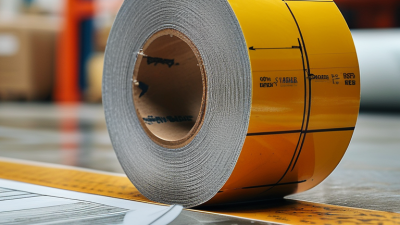
A label tape roll is a wound strip carrying a printable face material, adhesive, and release liner. The face may be paper, polyester, polypropylene, or direct-thermal stock. Its adhesive can be permanent, removable, or designed for cold surfaces. The roll feeds through a printer or applicator, where pressure, heat, or a thermal ribbon creates the image. The liner then separates, exposing the adhesive for bonding.
The process sounds simple. It is not quite.
Printer compatibility depends on core size, roll width, winding direction, and outside diameter. Direct-thermal tape reacts to heat and needs no ribbon, but sunlight and high temperatures can fade the image. Thermal-transfer tape usually lasts longer when paired with the correct ribbon.
Mordor Intelligence estimates the self-adhesive labels market at about USD 51.78 billion in 2024, with a projected 5.06% CAGR through 2029. That growth reflects wider use in logistics, retail, healthcare, and manufacturing.
Global buyers should test adhesion on the real carton, bottle, or metal surface. Humidity matters. So does storage temperature. A 2024 Smithers industry analysis forecasts continued growth in printed labels through 2028, but market estimates vary by definition and region. That uncertainty deserves attention.
A roll that performs well in a warehouse may curl in a refrigerated shipment. Small trials, barcode scans, and rub tests often reveal problems earlier than a large purchase.
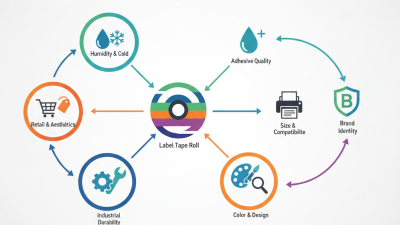
In 2026, global buyers can choose among direct thermal, thermal transfer, inkjet, and pressure-sensitive label tape rolls. Direct thermal rolls suit shipping labels and short-term warehouse use. They print without ribbons, but heat, sunlight, and friction can darken the surface. Thermal transfer rolls offer better durability for asset tags, cables, and outdoor containers. They require a compatible ribbon and correct print temperature.
Material choices are broader than many buyers expect. Paper rolls remain economical for cartons, shelves, and temporary identification. Polypropylene and polyethylene rolls resist moisture and flexing. Polyester performs better against abrasion, chemicals, and temperature changes. Removable adhesive rolls help protect painted surfaces, although “removable” is not always residue-free. Test it.
Smithers’ The Future of Labels and Label Printing to 2028 forecasts continued growth in global label demand, supported by logistics, food, healthcare, and consumer packaging. Grand View Research also identifies pressure-sensitive labels as a major market segment, with rising demand for flexible materials and variable information printing. These reports support a practical purchasing trend: buyers are comparing total operating cost, not roll price alone.
Core size, roll diameter, adhesive strength, and printer calibration can change the final result. I have seen inexpensive rolls waste time through curling edges and weak adhesion. That lesson is easy to overlook. Regional humidity also deserves attention, especially during ocean transport. A small trial order is usually wiser than a large assumption.
Common label tape roll formats include paper, direct thermal, thermal-transfer film, polypropylene, polyester, and vinyl. The chart shows representative continuous-use temperature ranges commonly associated with each format. Actual performance depends on the adhesive, liner, ink or ribbon, surface, and supplier specification.
Temperature ranges are typical technical ranges for general industrial and logistics applications, not universal guarantees.
Global buyers should compare label tape rolls by application, climate, surface, and dispensing method. Paper tape suits dry indoor cartons and short-term identification. It is economical and easy to print. However, humidity can curl edges or weaken the adhesive. This risk matters during sea freight and cold storage. I have seen clean labels fail after condensation formed on metal containers. Small details matter.
Polypropylene offers better moisture resistance and flexibility for retail, warehouse, and outdoor use. Polyester is tougher and handles abrasion, heat, and many cleaning agents. It often suits industrial containers, electrical parts, and long-life asset labels. Vinyl conforms well to curved surfaces and uneven packaging. Its flexibility is useful, but buyers should check print compatibility and surface preparation. The cheapest roll may create higher relabeling costs.
Compare the face material, adhesive strength, liner quality, and printing method together. Direct thermal tape is convenient, but prolonged heat or sunlight may affect readability. Thermal transfer printing usually supports more durable results when paired with the correct ribbon. Ask suppliers for samples tested on the actual substrate. Include dusty cardboard, textured plastic, and cold metal. Also check roll width, core size, winding direction, and storage conditions. These specifications are easy to overlook. I still find that laboratory results can differ from warehouse performance. A short field trial is imperfect, yet it reveals peeling, smearing, and dispenser jams before a large purchase.
Choosing the right label tape roll depends on exposure, handling time, and surface condition. According to Smithers’ 2024 packaging report, global label demand continues to grow, driven by logistics, food, healthcare, and retail applications. Direct thermal rolls suit short-term shipping labels, warehouse tickets, and receipts. They print without ribbons, reducing setup time. However, heat and sunlight can darken the surface. A parcel left beside a loading-bay window may become difficult to scan.
Thermal transfer rolls match applications requiring longer durability. They work well for asset tags, chemical containers, outdoor equipment, and product identification. Resin or wax-resin ribbons can improve resistance to abrasion, moisture, and moderate chemicals. Smithers reports that synthetic label materials are gaining attention where durability and product protection matter. Test adhesion on curved plastic first. A smooth bottle and a dusty carton behave differently.
Removable adhesive rolls are useful for temporary pricing, rental equipment, retail displays, and reusable storage bins. Permanent adhesive rolls fit cartons, machinery, and inventory labels that should remain attached. FINAT’s European label industry data shows sustained demand from logistics and consumer goods, but regional conditions vary. That matters. Cold storage may weaken initial bonding, while corrugated fiber can absorb adhesive unevenly. In practice, buyers often choose a tape that is too strong for temporary use or too weak for transport. Small pilot trials, including freezer, humidity, and rub tests, can expose that mistake before a full order.
Global buyers choosing label tape rolls in 2026 should examine the supplier, not only the tape. A reliable supplier shares material specifications, coating data, core dimensions, and production tolerances. Ask whether samples come from regular production. Fresh samples can hide inconsistency. Request rolls with different widths and adhesive conditions. Then test them on the actual printer, applicator, and packaging surface. This practical check often reveals curling, weak adhesion, or blurred edges before a purchase becomes expensive.
Supplier experience matters when orders cross climates and long shipping routes. Ask for evidence of export handling, batch traceability, and stable lead times. A professional team should explain how it controls humidity, dust, winding tension, and storage temperature. These details affect label release and print quality. Review inspection records, carton protection, pallet loading, and replacement procedures. Clear answers build confidence. Vague promises do not. Buyers should also verify communication speed during a sample dispute or specification change. Real support appears under pressure, not in a polished quotation.
Independent testing can strengthen the decision, especially for freezer, outdoor, or high-friction applications. Compare adhesion after aging, abrasion resistance, print contrast, and residue on the final surface. Keep a signed sample standard for future batches. It sounds simple. It is often missed. Pricing deserves scrutiny because a low roll price may conceal waste, short lengths, or machine stoppages. I would not approve a supplier from one successful shipment alone. A second order may expose weaknesses. Buyers should record defects honestly and request corrective actions, even when the problem seems minor.