Discover the Best Label Tape Roll Options for Your Business Needs?
In today's competitive market, finding the right Label Tape Roll can significantly impact operational efficiency. A recent report by Market Research Future indicates that the labeling industry is projected to grow by 5% annually, highlighting the increasing demand for quality labeling solutions. Businesses must choose tapes that meet their specific requirements for durability, adhesion, and printability.
The right Label Tape Roll is essential for effective branding and organization. Companies frequently overlook the importance of selecting high-quality materials. Subpar tape can result in labels that peel off or fade, wasting both resources and time. A survey by the Adhesive Label Council revealed that 70% of companies report challenges related to label performance, underscoring the need for careful selection.
In seeking the best options, businesses should not only consider cost but also long-term usability. It's crucial to assess compatibility with existing printers and environments. Decision-makers often find themselves navigating a myriad of choices, making it paramount to identify trustworthy suppliers. Therefore, a balanced approach to choosing Label Tape Roll is necessary for sustainable growth and operational success.
Understanding Label Tape Roll Types for Business Applications
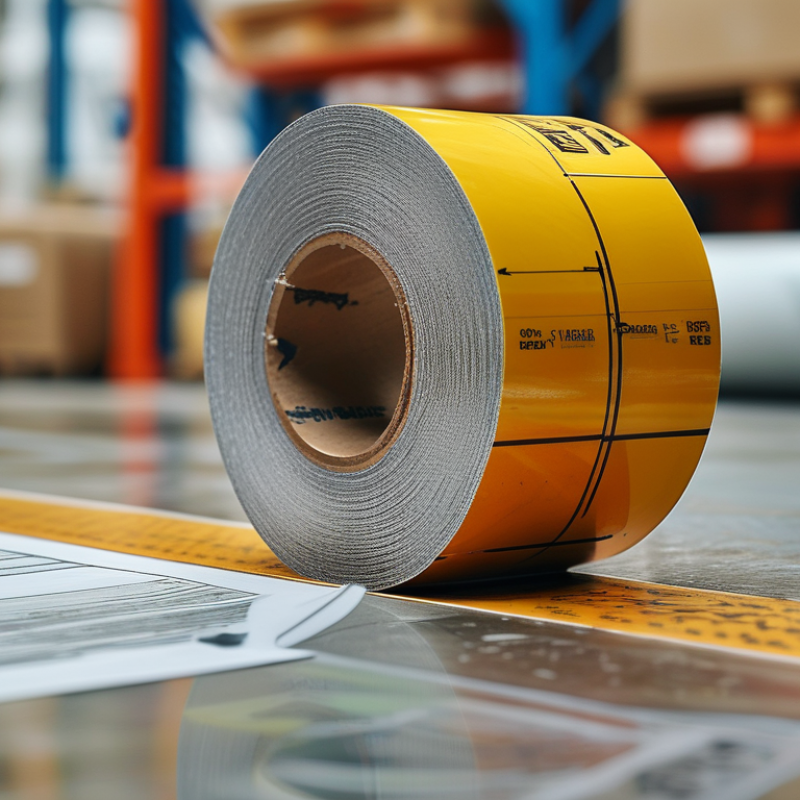
When selecting label tape rolls, it's essential to understand the variety available. Different types serve unique business applications. For instance, thermal transfer tape rolls offer durability and resistance to fading and scratching. They are ideal for long-term labeling needs. Direct thermal labels are another option, often used for shipping. They are simpler to use but may fade over time.
Consider also the material of the label tape. Vinyl labels are waterproof and flexible, suitable for outdoor use. In contrast, paper labels are more economical for indoor applications. Understanding the weight of your label tape roll is critical. Heavier tapes might offer better adhesion, but they can be more challenging to work with. Finding a balance between performance and usability is essential.
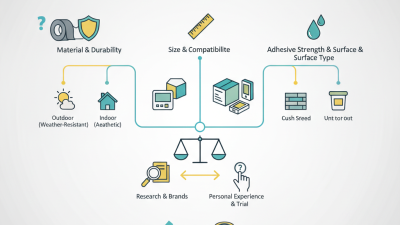
Evaluate your specific needs. Do you require waterproofing, a certain size, or a particular adhesive strength? Each business may require a different solution. Seek out sample rolls to test how they perform in real-world conditions. Keep in mind that not every tape will function as expected. Reassessing your options regularly can lead to better efficiency. This reflection is vital in making informed decisions that benefit your operations.
Best Label Tape Roll Options for Your Business Needs
Key Features to Consider When Choosing Label Tape Roll Options
When selecting label tape rolls for business needs, key features play a crucial role. One important aspect is material durability. According to a 2021 industry report, 58% of businesses prefer label tapes that resist moisture and abrasion. This ensures longevity in tough environments. Additionally, consider the adhesive quality. Strong adhesive bonds can prevent labels from peeling off, which is essential in warehouses and shipping departments.
Another significant feature is printing compatibility. Many companies report that label tape allowing thermal printing significantly reduces errors in labeling. A study by the Label Manufacturers Association found that 65% of firms experienced fewer mislabeling incidents with high-quality printed labels. Also, size versatility is important. Tapes come in various widths and lengths. It helps businesses customize labels for different products.
Understanding these features aids in making informed choices. Interviews with industry experts emphasize that user feedback often reveals overlooked aspects, such as texture and color clarity. These elements can impact how easily labels can be scanned or read. Balancing features like these may require trial and error, but investing in the right label tape roll can elevate operational efficiency.
Comparing Material Durability for Different Label Tape Rolls
When choosing label tape rolls for business needs, material durability is crucial. Different materials offer varying benefits based on their intended use. For example, polyester labels can endure harsh conditions and are often used in industrial settings. A report by the Label Manufacturers Association indicates that polyester labels last up to five years outdoors, making them reliable for product labeling.
Paper labels, while cost-effective, can deteriorate quickly. They may fade or peel when exposed to moisture or extreme temperatures. A study from the Pressure Sensitive Tape Council shows that paper labels have a shorter lifespan, averaging only six months in challenging environments. Businesses must weigh the cost against potential product mislabeling if using subpar materials.
Tips: Always consider the environment where labels will be used. Temperature fluctuations and humidity play significant roles. Testing label samples before a bulk order can save costs. Additionally, consult with material experts to ensure the right match for your specific needs. Not all businesses have the same requirements, and that’s okay. Evaluate your unique circumstances before making a decision.
Evaluating Adhesive Strength and Longevity in Label Tapes
When evaluating label tapes for your business, adhesive strength and longevity are crucial factors. A tape may stick well initially but falter over time. Understanding these aspects can significantly impact your labeling efficiency and accuracy.
To ensure you select the right tape, consider the surface type and environmental conditions. For example, labels for refrigerated items require stronger adhesives. Test a few options in your specific setting. Adhesives should withstand temperature changes and humidity.
Tips: Check the manufacturer’s specifications for adhesive strength. Look for reviews from users with similar needs. It's essential to strike a balance between how well the tape sticks and how long it lasts without spoiling your products. A reliable tape may have a higher upfront cost, but it can save money by reducing waste in the long run.
Longevity also matters when considering storage. Labels should remain intact over time. Evaluate the shelf life of tapes before making a purchase. A tape that deteriorates quickly can create frustrating and costly mistakes. Always keep updates on new materials or technologies in label tape options. Stay informed to make the best choices for your business’s needs.
Cost-Effectiveness: Analyzing Price vs. Quality in Label Tape Rolls
When choosing label tape rolls, cost-effectiveness is a critical factor. Businesses often face the dilemma of balancing price with quality. A recent industry report noted that companies spend, on average, 15% more on higher-quality tape. This investment can lead to significant savings in the long run.
The longevity of label tape rolls is essential. Cheaper options may fray or peel, leading to wasted time and resources. A study indicated that 30% of businesses experienced issues with low-quality tape, resulting in a 20% increase in operational costs. Many firms overlook this hidden expense, focusing only on upfront costs.
Quality should not be sacrificed for the sake of saving a few dollars. A tape that adheres properly and withstands various conditions reduces the need for replacements. While it seems tempting, cheap tape can lead to errors or damaged products. Evaluating price versus quality requires careful consideration. Understanding the true cost of label tape can improve overall efficiency and customer satisfaction.