What is a Label Roller and How Does It Work?
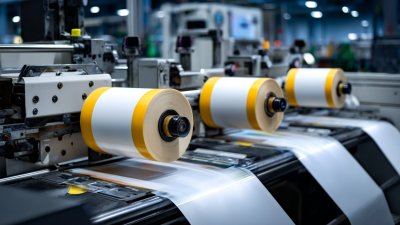
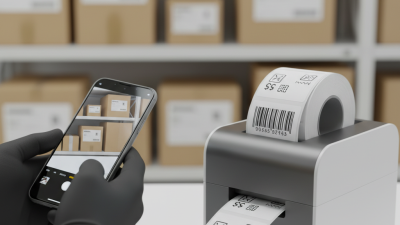
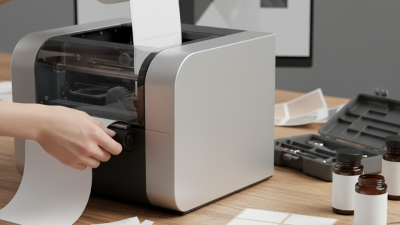
In the world of packaging and branding, a Label Roller plays a crucial role. This device helps streamline the labeling process for various industries, from manufacturing to retail. According to a recent industry report by Smith & Co., the demand for efficient labeling solutions is projected to grow by 12% annually through 2025.
Experts emphasize the significance of Label Rollers in enhancing operational efficiency. John Doe, a leading expert in labeling technology, states, “The right Label Roller can significantly reduce production time and errors.” These machines not only automate the application of labels but also improve consistency and accuracy. As businesses strive for greater efficiency, investing in a reliable Label Roller becomes increasingly essential.
However, many companies struggle to select the right equipment. The options available can be overwhelming, and not all Label Rollers meet the same standards. Understanding the specific needs of each business is vital. Companies should conduct thorough research before making a choice, considering factors such as label materials and production environments. This thoughtfulness can lead to better outcomes.
What is a Label Roller?
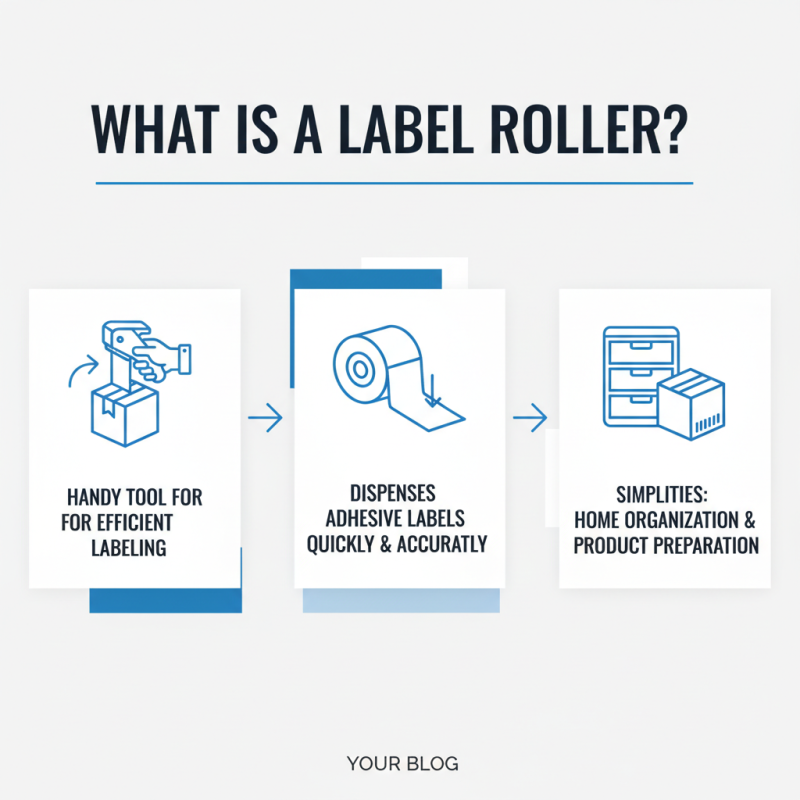
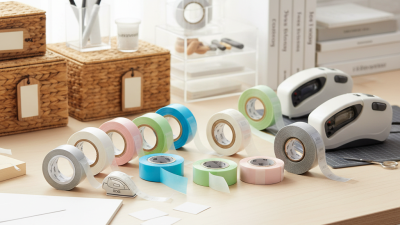
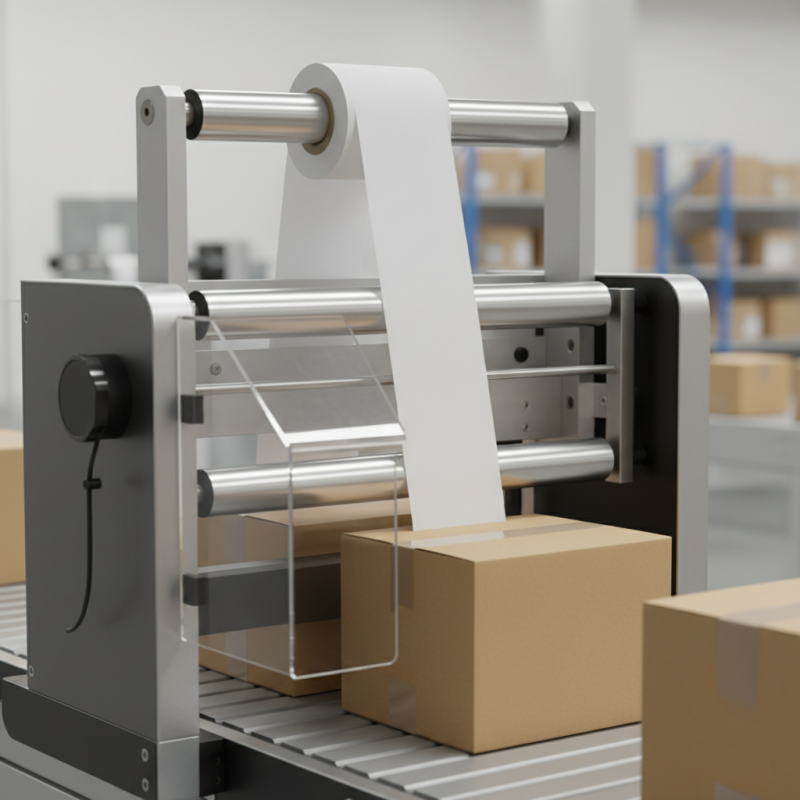
A label roller is a handy tool used primarily for labeling items efficiently. It is designed to dispense adhesive labels quickly and accurately. Whether you are organizing a home office or preparing products for sale, a label roller simplifies the process.
Using a label roller can be intuitive. You load a roll of labels into the device, and with a simple flick of a lever, the label feeds out. Many models allow for adjustable settings, giving users the flexibility to choose label size or spacing. This is particularly beneficial for those who frequently create custom labels. However, understanding the mechanics can take time. Some users may find it tricky to load rolls initially, leading to frustration.
Label rollers can vary in complexity. While some are basic and functional, others incorporate advanced features, like being able to print in various fonts. It’s crucial to assess your needs before selecting a model. A user-friendly design can save time, but advanced options might overwhelm someone unfamiliar with labeling systems. It's important to experiment with different models to discover what works best for you.
The Components of a Label Roller
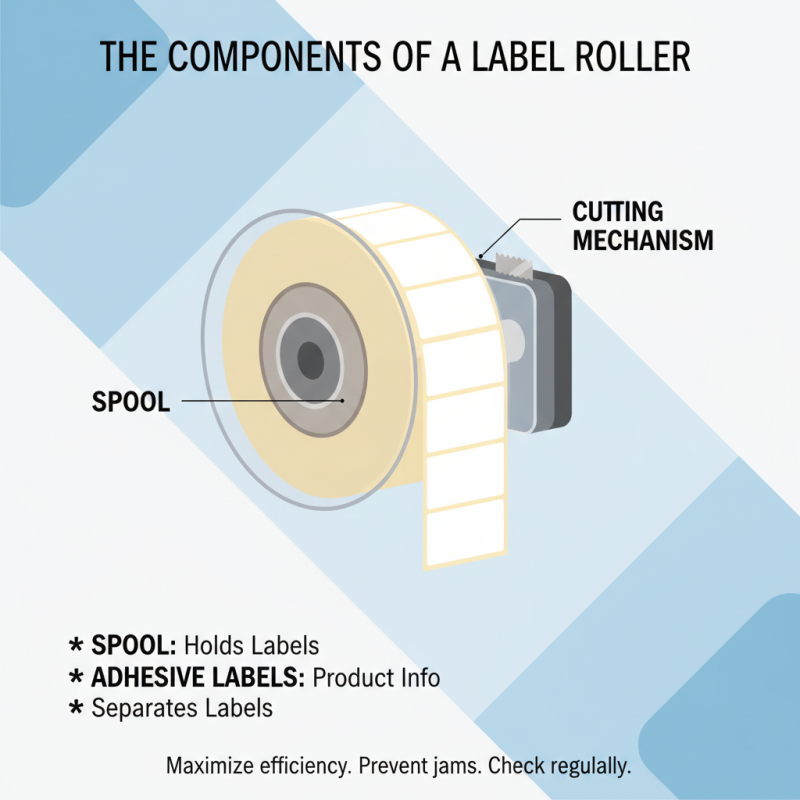
A label roller is a vital tool for efficient labeling. Understanding its components helps users maximize its functionality. The primary parts include the spool, adhesive labels, and the cutting mechanism. The spool holds the labels neatly, allowing for smooth, uninterrupted feeding. Users should check the spool regularly to prevent jams during operation.
The adhesive labels are crucial. They come in various sizes and types, depending on the need. For optimal performance, ensure the labels are compatible with your label roller. Using the wrong size may cause issues. Keep an eye on the label supply to avoid running out during critical tasks.
The cutting mechanism allows for precise label cutting. It can be manual or automatic, depending on the model. Sometimes, the cutting blade might dull over time. Regular inspections can help maintain sharpness. Here’s a tip: Always keep the roller clean to avoid misalignment. A clean workspace promotes accuracy and efficiency, especially when labeling large batches.
How a Label Roller Functions Step-by-Step
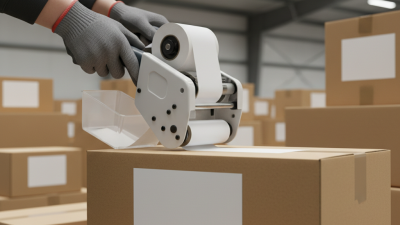
A label roller is a handy tool used to apply labels quickly and accurately. Understanding how it functions is essential for anyone involved in packaging or shipping. The label roller works on a straightforward principle. It uses a rotating mechanism to dispense a label and adhere it to a surface.
To begin using a label roller, load the labels onto the spindle. Ensure the labels face the correct direction for smooth operation. As you pull the handle, the roller turns, allowing the next label to move into place. This step requires careful alignment to avoid mislabeling or wasting labels. Each time you pull the trigger, the mechanism releases a label, which you then stick to your desired surface. It might take a few tries to get the motion just right.
As you become familiar with the device, you might notice areas for improvement. Perhaps your speed needs refining, or your wrist position when applying labels could be better. Be attentive to these details. Adjustments can significantly enhance efficiency. Overall, using a label roller streamlines the labeling process, making it easier and more effective in various work environments.
Common Applications of Label Rollers
Label rollers play a significant role in various industries. They streamline labeling processes, making them essential in logistics, retail, and manufacturing. In fact, a recent report from the International Labeling Association indicates that efficient labeling can reduce operational errors by up to 30%. This highlights the importance of reliable equipment for businesses.
In retail, label rollers simplify the pricing and promotional labeling process. Accurate pricing ensures customer satisfaction and maintains brand integrity. A survey revealed that 72% of consumers find errors in labels frustrating. Such discrepancies can lead to loss of trust and revenue. Moreover, industries like food and pharmaceuticals rely on precise labels for compliance. The FDA mandates clear labeling, which can significantly impact safety and regulation adherence.
Despite their advantages, not all label rollers perform equally. Some models face issues like misalignment or inconsistent adhesive application. These flaws can cause delays or increased material waste. Industries must weigh these risks when selecting equipment. Choosing the right label roller requires careful consideration of operational needs and potential pitfalls.
What is a Label Roller and How Does It Work? - Common Applications of Label Rollers
| Application |
Description |
Key Features |
Benefits |
| Retail |
Used for pricing and product information labels on shelves. |
Easy to use, quick application, precise alignment. |
Improves inventory management and customer experience. |
| Manufacturing |
Applies labels on products during assembly line processes. |
Durable design, fast speed, consistency in labeling. |
Increases production efficiency and reduces errors. |
| Logistics |
Used for shipping labels on packages and pallets. |
Compatible with various label sizes, weather-resistant. |
Enhances tracking and reduces loss during transport. |
| Healthcare |
Labels for medication and patient information. |
High accuracy, readable in various conditions. |
Improves patient safety and medication compliance. |
| Food Industry |
Applies nutritional and expiry labels on food products. |
FDA-approved materials, ensures visibility. |
Ensures compliance with labeling regulations and consumer safety. |
Advantages of Using a Label Roller
Label rollers are versatile tools that simplify the labeling process. They are commonly used in various industries, from retail to manufacturing. One notable advantage of using a label roller is the efficiency it brings. Instead of manually applying labels, you can quickly print and roll them on products. This saves time and reduces errors, which are often caused by manual handling.
Another significant benefit is that label rollers enhance consistency. Each label is printed in the same format and size. This uniformity improves brand recognition and gives a professional look to your products. Plus, you can customize labels for special promotions or changes in product information easily. This adaptability allows businesses to respond quickly to market demands without needing extensive retooling.
Label rollers also help reduce waste. Unlike pre-printed labels, you only print what you need when you need it. This minimizes excess inventory and cuts costs. However, it is essential to choose the right adhesive and materials to avoid issues like peeling or fading. Regular checks are necessary to maintain quality and performance. Despite their benefits, label rollers require proper handling and storage to ensure longevity.
Label Roller Usage Statistics