2026 Best Pop Label Trends for Global Buyers to Explore?
In recent years, the Pop Label industry has evolved dramatically. Buyers must navigate trends that impact design and consumer preferences. Understanding these shifts is crucial for global buyers seeking to thrive.
As we approach 2026, the potential of Pop Labels is vast. Innovative designs and sustainable practices are at the forefront. Consumers are drawn to brands that echo their values. However, not all trends resonate equally with all demographics. Some may feel outdated or disconnected.
Global buyers face challenges in trend selection. Common pitfalls include overlooking local tastes. A one-size-fits-all approach can lead to missed opportunities. Thus, it's essential to balance global appeal with local authenticity. Embracing the dynamic landscape of Pop Labels is key for future success.
Emerging Color Schemes in Pop Label Design for 2026
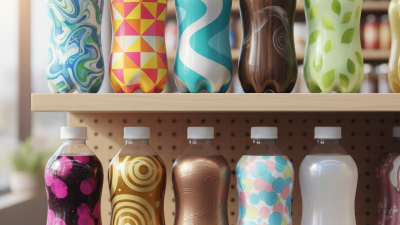
In 2026, pop label design is set to embrace fresh, innovative color schemes. Bold, vibrant hues are gaining traction, reflecting a youthful energy that resonates with consumers. Bright oranges and electric blues are increasingly popular. These colors evoke feelings of excitement and creativity, perfect for standing out in a crowded market.
Alongside vibrant shades, softer pastels are emerging. They offer a calming contrast, appealing to consumers seeking simplicity and minimalism. Light lavenders and pale greens provide a soothing palette, ideal for products focused on wellness and tranquility. This duality in trends allows brands to cater to varied consumer emotions and preferences.
However, it's crucial to strike a balance. While bold colors attract attention, overuse can lead to visual fatigue. Careful consideration of color combinations can enhance brand identity. Designers must also remain open to feedback and adapt their choices. The future of pop label design is an evolving journey, inviting experimentation but also reflection on consumer responses.
Sustainable Materials and Practices in Pop Label Trends
As global consumers become more environmentally conscious, sustainable materials are shaping pop label trends. Reports indicate that 67% of consumers prefer brands that prioritize sustainability. This shift creates an opportunity for buyers to explore eco-friendly fabrics like organic cotton and recycled polyester. Using such materials not only reduces environmental impact but also appeals to a growing market segment.
To succeed, brands must adopt circular practices. This means recycling and reusing materials to minimize waste. According to recent data, implementing sustainable practices can lead to a 30% reduction in production costs. This statistic emphasizes the financial benefits alongside environmental ones. However, creating a truly sustainable label requires ongoing effort. Brands need to monitor their supply chains to ensure every step aligns with sustainability goals.
Tip: Engage suppliers that emphasize transparency. Build relationships with those committed to ethical practices. Small steps can lead to significant changes over time. Remember, consumers value brands that are authentic in their sustainability narratives. Being honest about your efforts can enhance brand loyalty and trust.
Influence of Global Culture on Pop Label Aesthetics
In recent years, global culture has reshaped pop labels significantly. Aesthetic choices now reflect diverse lifestyles and values from different regions. This shift is evident in the use of
vibrant colors,
bold patterns, and
hybrid designs that celebrate multicultural influences. For instance, textiles featuring traditional motifs are paired with modern cuts, creating a unique fashion statement.
The demand for authenticity has increased. Consumers want to see genuine cultural references. Yet, this raises questions: Are we appropriating or appreciating? Brands need to tread carefully. They must understand the origins of the designs they implement. The challenge lies in balancing innovation with respect for cultural heritage.
Artisans and designers from various backgrounds are stepping into the limelight. They are introducing fresh ideas rooted in tradition. This is a fascinating yet complex landscape. The evolution of pop label aesthetics showcases a blend of influences, inviting continual reflection and engagement. As trends evolve, we must remain mindful of both the beauty and the responsibility that comes with cultural representation.
Technology Integration in Pop Label Production and Marketing
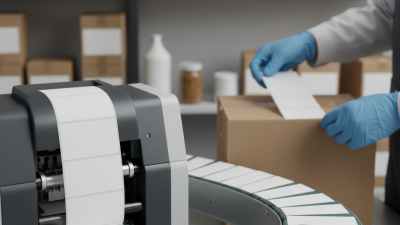
In recent years, technology has revolutionized the production and marketing processes within the pop label industry. According to a recent report by the International Label Association, 75% of companies are now investing in automated systems for label printing. This shift not only increases efficiency but also reduces production costs, leading to a more sustainable business model.
In marketing, data analytics has become crucial. Nearly 70% of pop label brands utilize consumer insights to tailor their products. This trend of personalization helps brands connect deeply with their target audience. Integrating social media platforms into marketing strategies has further enhanced engagement. However, maintaining authenticity while leveraging data remains a challenge for many brands.
Adopting Internet of Things (IoT) technology is another trend in label production. Smart labels can provide consumers with product journey information. Still, the implementation of these technologies requires considerable investment. As brands explore new tech avenues, balancing innovation with ethical considerations is essential for long-term success.
Consumer Preferences Driving Pop Label Innovations in 2026
In 2026, consumer preferences are radically shaping pop label trends. Eco-consciousness is more important than ever. Buyers seek labels that reflect sustainable practices. Biodegradable materials and minimalistic designs are gaining traction. They appeal to a generation that values environmental impact.
Tips: Explore green materials. Emphasizing sustainability can attract a loyal customer base.
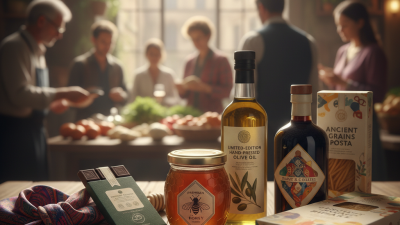
Further, customization plays a crucial role. Consumers desire personalization in their purchases. Labels that offer tailored experiences stand out. They foster a sense of ownership and connection. Brands might need to rethink their strategies. Not every company successfully establishes such personal ties.
Tips: Consider offering limited editions. This can create urgency and exclusivity, drawing in more buyers.
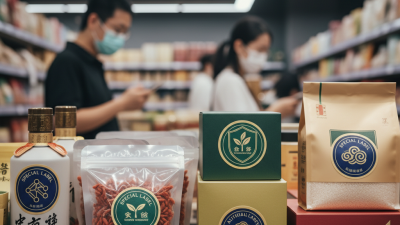
Finally, transparency is vital. Consumers prefer brands that are open about ingredients and sourcing. This builds trust and enhances brand reputation. Yet, many struggle to communicate this clearly. Companies need to improve their storytelling capabilities to resonate.
Tips: Share behind-the-scenes content. Engaging storytelling can enhance transparency and consumer trust.
2026 Best Pop Label Trends for Global Buyers to Explore
| Trend |
Consumer Preference |
Innovation Type |
Projected Growth (%) |
| Sustainable Materials |
High Demand |
Eco-friendly Labels |
25% |
| Interactive QR Codes |
Moderate Interest |
Smart Labels |
15% |
| Minimalist Aesthetics |
Growing Trend |
Label Design |
20% |
| Personalized Packaging |
High Engagement |
Customization |
30% |
| Augmented Reality |
Increasingly Popular |
Tech-driven Features |
18% |