Top Plastic Bottle Labels for Effective Branding and Product Identification?
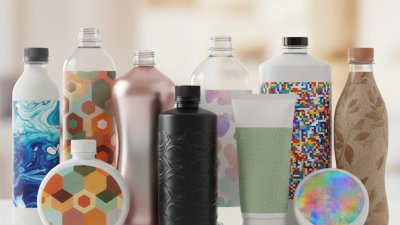
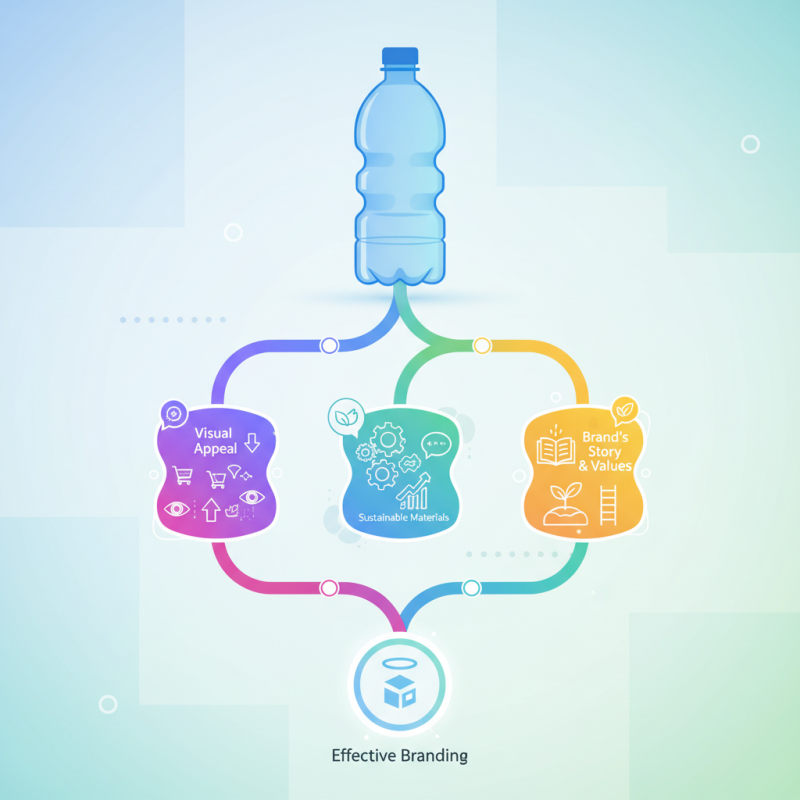
In the competitive market of consumer goods, effective branding hinges on visual appeal. One essential element is the label. According to industry expert Johnathan Reed, “Plastic Bottle Labels are more than just identifiers; they convey a brand’s story and values.” These labels not only showcase product information but also influence consumer decisions.
Today, the importance of well-designed Plastic Bottle Labels can't be overstated. A thoughtful label can attract attention on crowded shelves. Consumers often choose products based on their labels before considering other factors. However, creating an effective label can be challenging. Balancing creativity with clarity is crucial. Many brands struggle with this and must reflect on their choices.
Labels must also account for changing market trends. Environmental concerns are reshaping consumer preferences. This means brands should consider sustainable materials for their Plastic Bottle Labels. It’s an area that many companies overlook. The right label can elevate a product, but there’s always room for improvement and growth.
Factors to Consider When Choosing Plastic Bottle Labels
When choosing plastic bottle labels, several factors play a critical role. The material of the label should be durable. Labels must withstand moisture and temperature changes. A well-chosen label will stay intact during shipping and handling. Think about the surface of your bottle. Smooth surfaces work best for adhesion. Uneven surfaces can lead to peeling.
Colors and fonts for labels matter significantly. They should reflect the brand's identity and values. Bright colors attract attention, while muted tones convey sophistication. However, readability is key. If the font is too fancy, customers may struggle to read the text. Test different combinations to find the right balance.
Tips: Consider the texture of the label. A glossy finish can give a modern look, while matte offers elegance. Keep in mind, too, that sustainability is important. Customers are becoming more eco-conscious. Eco-friendly labels will resonate well. Check if they won’t blur or fade over time. Remember, labels should enhance your product, but not overshadow it. Sometimes, less is more.
Types of Materials Used for Durable and Customizable Labels
When it comes to plastic bottle labels, the choice of materials is crucial. The label serves not just as identification, but also as a marketing tool. Reports indicate that 62% of consumers prefer packaging that includes information about sustainability. This highlights the need for eco-friendly materials. Common options include paper-based labels, which are recyclable, and synthetic materials like polypropylene that offer durability.
Plastic and vinyl are often used for their resistance to moisture and chemical exposure. Interestingly, a study by Smithers Pira shows that the global label market is projected to reach $49 billion by 2025. Companies need to focus on the customization of their label designs. Digital printing technology allows for short runs and diverse designs, making small batch production cost-effective. Flexibility in label design can lead to 30% higher consumer engagement.
However, not all labeling solutions are perfect. Some materials may not adhere well under UV light or extreme temperatures. This leads to wear and tear over time. Brands must continuously test and improve their choices. Labeling is a reflection of the brand's commitment to quality and sustainability. Thoughtful material selection can enhance both functionality and appeal.
Top Plastic Bottle Labels for Effective Branding and Product Identification
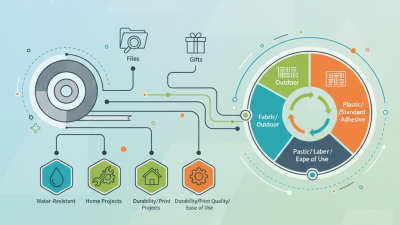
This bar chart illustrates the various materials used for plastic bottle labels, showcasing their respective durability and popularity in the market.
Design Elements That Enhance Brand Recognition on Bottles
Effective branding on plastic bottle labels hinges on critical design elements. Research shows that 70% of purchasing decisions are made at the point of sale. A memorable label can capture attention quickly. Bright colors and bold fonts are known to enhance visibility. Consumers often prefer simple designs that convey the product's essence.
Illustrative visuals can also significantly enhance brand recognition. Data indicates that products with images have a 40% higher recall rate. Brands should choose visuals that resonate with their target market. Using eco-friendly materials can appeal to environmentally conscious consumers. This alignment with values can build stronger connections.
**Tips:** Using fewer words can often communicate more. Experiment with different shapes for your labels. Unique bottle shapes attract curious buyers. But don’t overlook the importance of clarity and simplicity in your design. Balancing creativity with readability is key.
Top Plastic Bottle Labels for Effective Branding and Product Identification
| Label Type |
Material |
Print Method |
Key Features |
Brand Recognition Impact |
| Pressure-sensitive labels |
Paper, Vinyl |
Digital, Flexographic |
Water-resistant, Easy to apply |
High visibility, Easy identification |
| Shrink sleeve labels |
PVC, PETG |
Rotogravure, Flexographic |
360-degree coverage, Full-color |
Strong brand presence, Attractive design |
| In-mold labels |
Polypropylene |
Injection molding |
Durable, Scratch-resistant |
Long-lasting visibility, Premium look |
| Wrap-around labels |
Paper, BOPP |
Flexographic, Digital |
Full color, Custom shapes |
Effective messaging, Unique appeal |
| Foil labels |
Metallic film |
Hot stamping |
Eye-catching shine, Luxurious feel |
High-end perception, Luxury branding |
Best Practices for Printing and Applying Labels on Plastic Bottles
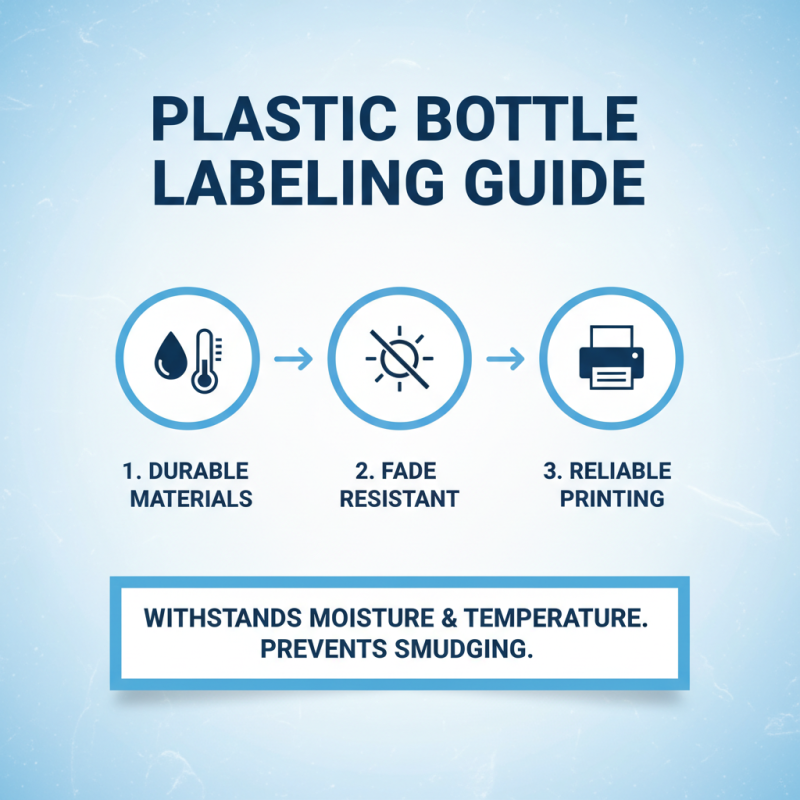
When it comes to labeling plastic bottles, accuracy is key. The first step is choosing quality materials. Labels must withstand moisture and temperature changes. Consider materials that resist fading. Print your labels using a reliable printer. Some printers may not give the best results. If your labels smudge, it's time to reassess your printing process.
Applying labels can be tricky. Start with a clean bottle surface. Dust and dirt can create bubbles under the label. Make sure the label is aligned properly before sticking it down. Once it's applied, use a smoothing tool to remove air bubbles. This step can often be overlooked, but it makes a significant difference.
Take time to test different designs. Sometimes, bright colors can overshadow important information. Make sure your font is clear and readable. It's essential to strike a balance between creativity and clarity. If a label design isn’t working, don’t hesitate to revisit it. Continuous improvement will lead to better branding over time.
Regulatory Compliance for Labeling on Plastic Bottles
When it comes to labeling plastic bottles, regulatory compliance is crucial. Many companies overlook the importance of adhering to regulations. Failure to comply can lead to hefty fines or product recalls. Labels must contain essential information, such as ingredients, manufacturer details, and safety warnings. Regulatory agencies require this information for consumer protection. Neglecting these requirements can damage a brand's reputation.
Moreover, transparency is not just about obeying laws; it builds consumer trust. Labels should be clear and easy to read. Small fonts or confusing language are common mistakes. Consumers often struggle to find vital information. This can lead them to feel frustrated. In some cases, it may affect their purchasing decisions. Brands should take the time to ensure that their labels are informative and user-friendly.
Furthermore, companies must regularly review their labeling practices. Regulations may change, and staying updated is essential. Outdated information could lead to compliance issues. Brands need to assess their labels critically, identifying areas for improvement. This ongoing evaluation fosters continuous enhancement in product communication. It reflects a brand’s commitment to quality and responsibility in the market. Labels are not just a requirement; they represent the product's identity.