Top 10 Inkjet Print Stickers You Need for Your Creative Projects?
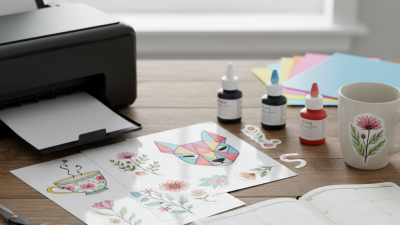
In the realm of creativity, Inkjet Print Stickers have emerged as essential tools for artists and designers alike. Renowned expert Jamie Carter, a graphic design specialist, emphasizes the impact of these stickers: “Inkjet Print Stickers turn ideas into tangible art.” This statement highlights the powerful role such products play in bringing creative visions to life.
Whether you're crafting a personalized journal or designing eye-catching labels, Inkjet Print Stickers provide versatility. They allow for vibrant colors and unique designs tailored to any project. However, selecting the right stickers can be overwhelming given the myriad of options available. Many users find themselves frustrated by the variance in quality and durability. This inconsistency can lead to disappointing results, reminding us that not every sticker crafted is of professional caliber.
More than just decorative tools, these stickers present opportunities for self-expression. Yet, it’s important to approach them with realistic expectations. While some stickers hold up well over time, others may fade or peel. This unpredictability can be a stumbling block for creatives aiming for perfection. It's crucial to do thorough research before diving into a project centered around Inkjet Print Stickers.
Essential Features to Look for in Inkjet Print Stickers
When selecting inkjet print stickers for creative projects, certain features should not be overlooked. Durability is paramount. A report from Smithers Pira states that the sticker market is projected to grow significantly, driven by increasing demand for durable materials. Stickers that can withstand wear and tear are essential for long-lasting results in various applications.
Next, consider the adhesive properties. High-quality stickers should peel easily without leaving residue. According to a survey by Packaging Strategies, 70% of users prefer stickers that cling well but can still be repositioned during application. This flexibility enhances usability, allowing for creative adjustments in design projects.
Another key feature is print quality. Stickers need vibrant colors and crisp images. The Digital Printing Market report reveals that high-resolution prints drastically increase consumer satisfaction. Users seek stickers that stand out visually, as they often use them for branding or personal projects. Ensuring your stickers meet these criteria can elevate your creative endeavors. Additionally, consider the environmental impact of materials. Eco-friendly options may cost more but can appeal to conscious consumers.
Top Brands of Inkjet Print Stickers for Creative Projects
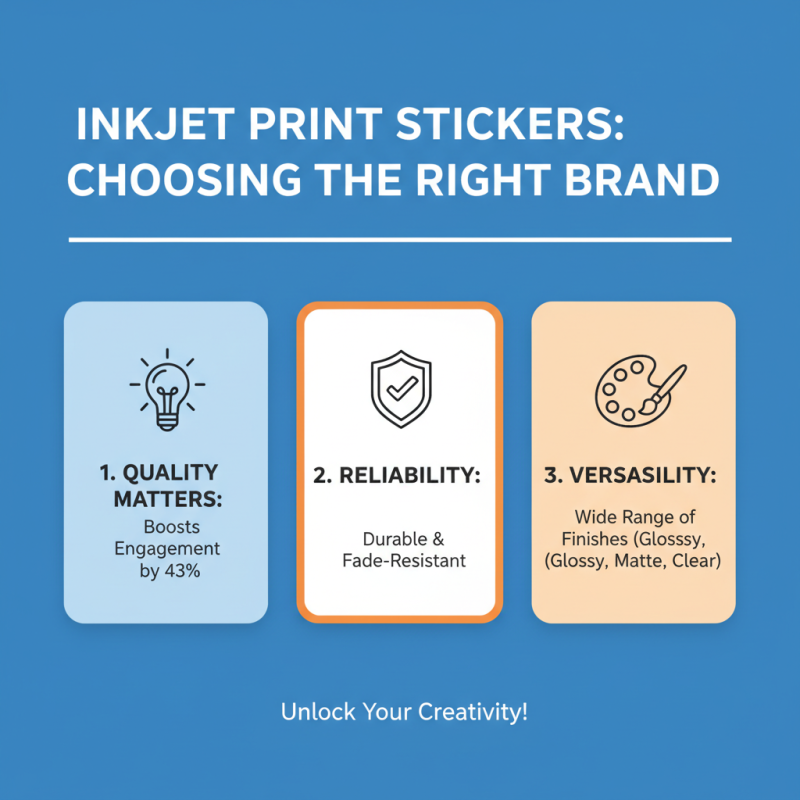
When diving into the world of inkjet print stickers, choosing the right brand can significantly impact your creative projects. Industry reports indicate that high-quality stickers can boost engagement in design applications by nearly 43%. The variety of options available can be overwhelming, yet understanding the essentials can make a difference.
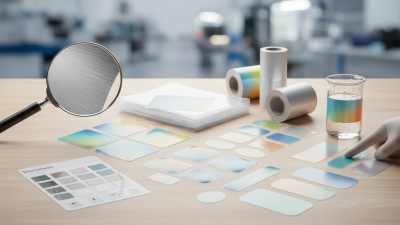
Many brands focus on vibrant colors and adhesive durability, essential for creative endeavors. Research shows that the ideal inkjet print sticker should withstand exposure to light and moisture, adding longevity to your projects. It's crucial to consider paper weight and finish; matte, glossy, or transparent materials each offer unique effects. Many crafters report that high-quality finishes result in a more professional look.
However, not all brands deliver on their promises. Some users express dissatisfaction with fading or peeling. A sticker that isn’t robust can lead to disappointment in your project’s outcome. Choosing the right type matters deeply. Reflection on user experiences shows that while many brands claim superior quality, not every product meets expectations. It’s wise to read reviews and test samples before committing.
Comparative Analysis of Different Inkjet Print Sticker Types
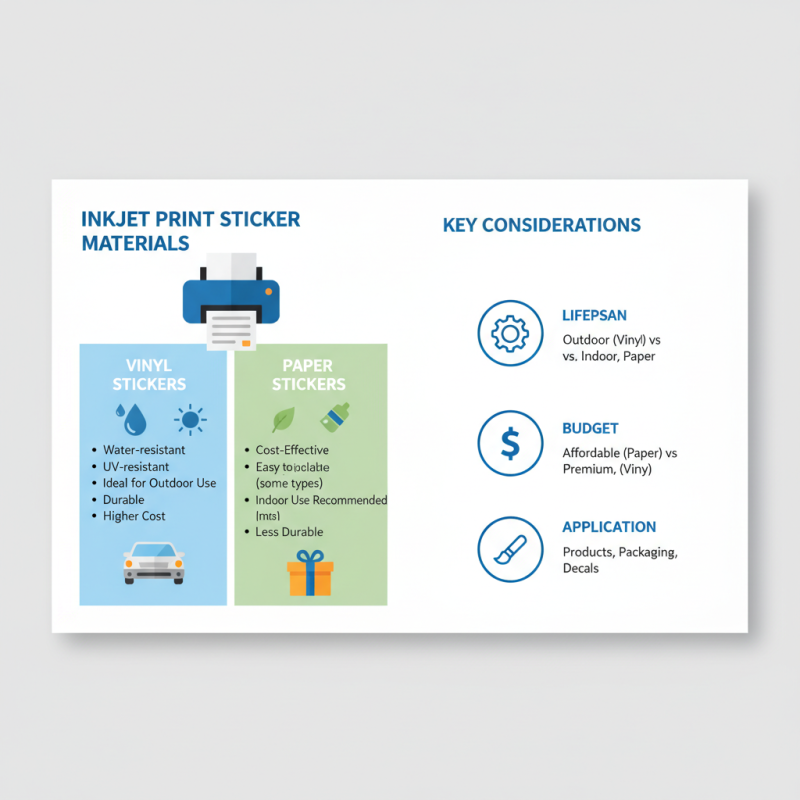
When considering inkjet print stickers, it’s vital to analyze the different types available. The choice of material can significantly impact the quality and longevity of your designs. One popular option is vinyl. According to industry reports, vinyl stickers are resistant to water and UV rays, making them ideal for outdoor use. However, they can be costly compared to paper alternatives.
Paper stickers, while less durable, offer vibrant colors and are much more affordable. Many users find them perfect for indoor projects. The trade-off between quality and cost is a critical aspect to consider. A recent survey revealed that 68% of creative professionals preferred vinyl for professional projects, indicating its perceived value.
Tips: Always test a small sample before committing to a large batch. This can help fine-tune the printing settings and material choice for your project. Additionally, consider the finish. A glossy coat can make colors pop, but it may smudge easily.
Reflect on your target audience. While vinyl might impress clients, paper could fit more casual, budget-friendly projects. Remember, sometimes a simple design on paper can resonate more than a complex one on a premium material.
Applications of Inkjet Print Stickers in Various Art Projects
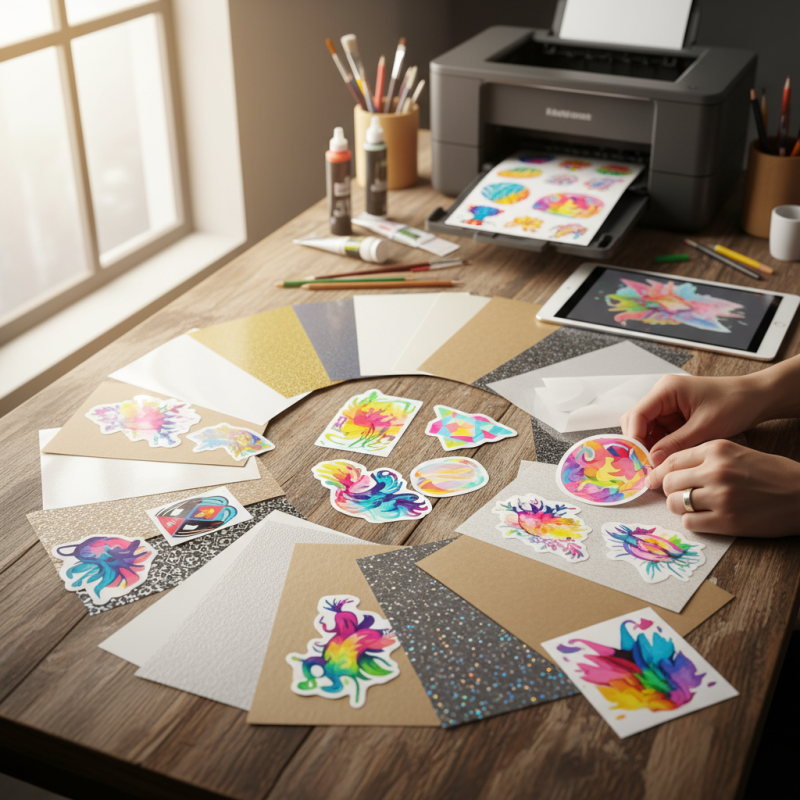
Inkjet print stickers have become a favorite among artists and creators. Their versatility allows for various applications in art projects. From scrapbooking to customizing journal covers, these stickers add a personal touch. You can print designs that reflect your style and vision. They’re also easy to apply, making them perfect for quick projects.
In art, inkjet print stickers can tell stories. They enhance visual narratives in mixed media pieces. A vibrant sticker can draw attention to important details. You can create themes or moods with specific colors. It may not always come out as planned. Sometimes the colors don't match or the texture feels off. These imperfections is part of the creative process. They can inspire new ideas or adjustments.
Another use is in educational art projects. Teachers and students can collaborate with stickers to decorate posters. This engagement fosters creativity and communication. Yet, not every sticker sticks well to all surfaces. Experimentation is vital to find the right techniques. This trial-and-error approach can teach valuable lessons. Inkjet print stickers offer countless possibilities for creativity.
Top 10 Inkjet Print Stickers You Need for Your Creative Projects
| Sticker Type |
Suitable Applications |
Material |
Finish |
Water Resistance |
| Vinyl Stickers |
Product labels, decals |
Vinyl |
Glossy |
Yes |
| Paper Stickers |
Scrapbooking, crafts |
Paper |
Matte |
No |
| Transparent Stickers |
Windows, packaging |
Clear film |
Glossy |
Yes |
| Die-Cut Stickers |
Promotional materials, gifts |
Vinyl |
Matte or Glossy |
Yes |
| Removable Stickers |
Temporary designs, promotions |
Paper or vinyl |
Matte |
No |
| Permanent Stickers |
Outdoor use, labeling |
Vinyl |
Glossy |
Yes |
| Photo Stickers |
Photography projects, albums |
Photo paper |
Glossy |
No |
| Custom Shaped Stickers |
Branding, unique designs |
Vinyl |
Glossy or Matte |
Yes |
| Eco-Friendly Stickers |
Sustainability projects, events |
Recycled paper |
Matte |
No |
Tips for Designing and Printing Your Own Inkjet Stickers
Designing your own inkjet stickers can be a rewarding experience. Start with a solid concept. Sketch your ideas on paper. Choose a theme that resonates with your style. Play with colors. Use contrasting shades to make designs pop. Remember, less can be more. Simplicity often speaks louder than complexity.
When printing, use high-quality materials. Good paper can enhance the final look. Test different finishes like matte or glossy. Some prints may bleed or warp. It’s essential to adjust your printer settings accordingly. Always do a test print. This step can save time and materials in the long run.
Take note that not all designs work well for printing. Some intricate details may get lost. Perhaps consider larger elements instead. Reflect on your design process. Are you feeling stuck? Revise your work and seek feedback. Don’t be afraid to remake your designs. Sometimes the best ideas come after multiple attempts.
Top 10 Inkjet Print Stickers You Need for Your Creative Projects
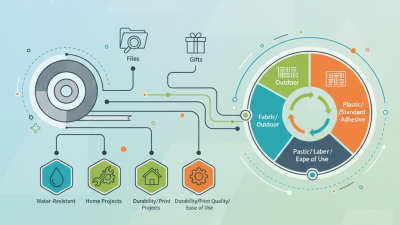
This chart illustrates the popularity rating of various types of inkjet print stickers based on creative projects. Each type is rated on a scale from 1 to 10, reflecting how favored they are among designers and crafters.