Top 10 Sticky Printer Labels Buyers Need to Know?
In today’s fast-paced world, choosing the right Sticky Printer Labels can be a daunting task. With endless options available, understanding the key features is essential. Whether for home use or business purposes, these labels offer convenience and organization. They can enhance your productivity significantly. However, not all labels are created equal, and some may not meet your needs.
Many buyers overlook important aspects when selecting Sticky Printer Labels. Factors such as adhesive strength, durability, and print quality are crucial. The right labels can make a difference, but the wrong choice may lead to frustration. This article highlights the top ten sticky printer labels you should consider.
Navigating this market requires a combination of knowledge and practical insight. Understanding the unique features of each option can help avoid costly mistakes. Thus, empowering yourself with the right information will lead to better decisions in your labeling tasks.

Top 10 Features of Sticky Printer Labels for Optimal Performance
When selecting sticky printer labels, understanding key features is crucial. The right characteristics enhance efficiency. Adhesive strength is vital. Strong adhesives ensure the labels stick well, resisting peeling. However, too much adhesive can make removal difficult.
Another important feature is compatibility with printers. Not all labels work with every printer. Always check specifications before purchasing. This avoids wasted time and resources. The label material also influences performance. Water-resistant and tear-resistant materials last longer. They are essential for packaging and shipping.
Tips: Always test a few labels first. This helps determine if they meet your needs. Consider the label's visibility, including color and print quality. Clear and bold labels attract attention. Lastly, pay attention to the label size; it should fit your product precisely. An ill-fitting label could lead to a professional image setback.
Top 10 Sticky Printer Labels Buyers Need to Know
| Feature |
Description |
Benefit |
| Adhesive Strength |
Ability to stick securely to various surfaces. |
Ensures labels stay in place, reducing the chances of falling off. |
| Water Resistance |
Labels can withstand exposure to water without fading or peeling. |
Ideal for items that may be exposed to moisture. |
| Print Quality |
Compatibility with high-resolution printers for crisp text and images. |
Enhances readability and professionalism of labels. |
| Size Variety |
Available in different sizes for various applications. |
Versatile for different labeling needs. |
| Easy to Peel |
Designed for quick removal from the backing paper. |
Saves time during the labeling process. |
| Temperature Tolerance |
Can withstand a range of temperatures without losing adhesion. |
Suitable for environments with extreme heat or cold. |
| Durability |
Made from materials that resist tearing and fading. |
Long-lasting labels for reliable performance. |
| Print Compatibility |
Compatible with a variety of inkjet and laser printers. |
Allows flexibility in printing options. |
| Chemical Resistance |
Labels can withstand exposure to oils and solvents. |
Ideal for industrial applications where chemicals are present. |
| Customizability |
Available in blank formats for printing custom designs. |
Perfect for branding and personalized labeling. |
Understanding Adhesive Types: Permanent vs. Removable Labels
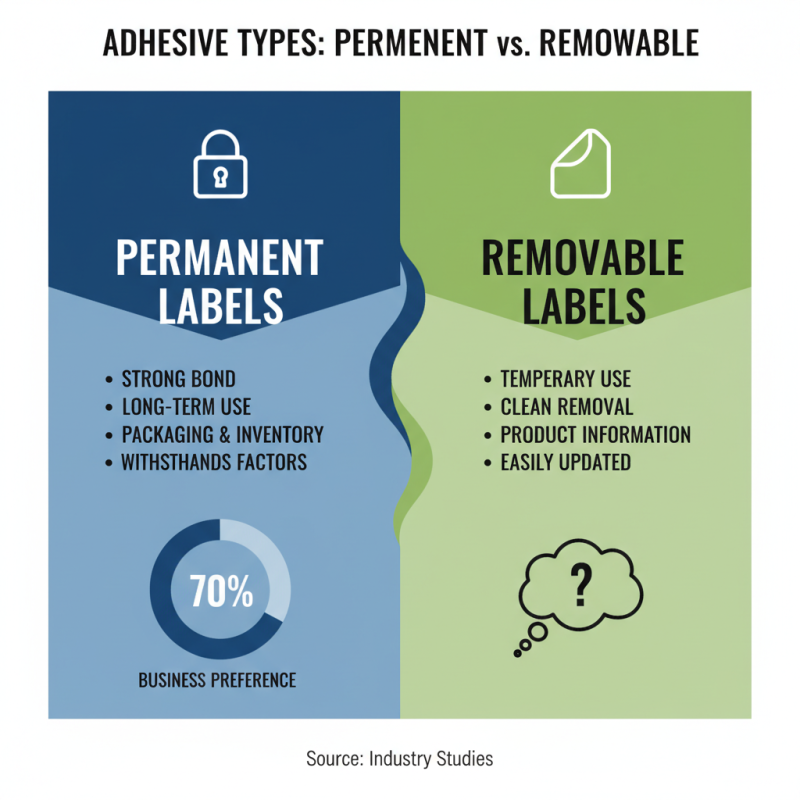
When choosing sticky printer labels, understanding the types of adhesives is crucial. Permanent labels have a strong adhesive that bonds well to surfaces, making them ideal for long-term applications. Studies show that nearly 70% of businesses prefer permanent labels for packaging and inventory management. Their ability to withstand various environmental factors adds to their reliability.
On the other hand, removable labels serve a different purpose. These labels allow for repositioning and easy removal without damaging the surface. They are perfect for temporary applications like promotions or seasonal products. Reports indicate that around 40% of consumers appreciate the flexibility these labels offer. Proper adhesive choice can prevent frustrations with residue left behind.
While both label types have their advantages, the decision should align with the specific project needs. Understanding the nuances of adhesive performance is essential for optimal results. A mismatch can lead to issues, such as peeling or paper ripping. Always consider how the label will be used. This can enhance productivity and reduce costs over time.
Key Materials Used in Sticky Labels: Pros and Cons for Buyers
When choosing sticky printer labels, material matters significantly. There are several key materials commonly used, each with distinct advantages and disadvantages. Paper labels are cost-effective and easy to print but may not withstand moisture. They are perfect for indoor use, like organizing files. However, they may peel or smudge when exposed to liquids.
Plastic labels, such as polyester or vinyl, offer durability. They resist tearing, moisture, and chemicals. This makes them ideal for outdoor applications. However, they can be more expensive and less eco-friendly than paper. Buyers should consider their specific needs before making a decision.
Adhesives also play a crucial role. Permanent adhesives provide strong bonds but can damage surfaces upon removal. Removable adhesives offer flexibility but may not hold as securely. The choice between these options depends on the intended use. Assessing your needs and the environment will guide you toward the right label material.
Top 10 Sticky Printer Labels - Key Materials Used
Essential Specifications: Size, Shape, and Compatibility with Printers
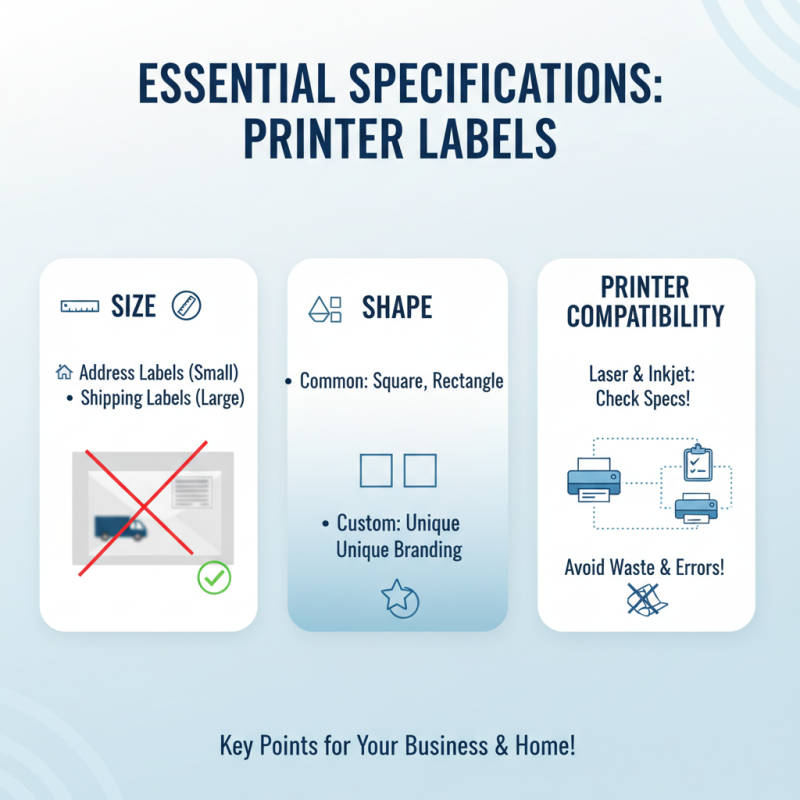
When choosing sticky printer labels, size and shape are important factors. Labels come in various dimensions, ranging from small address labels to larger shipping labels. It's crucial to select a size that meets your specific needs. Oversized labels might waste material, while too-small ones can be hard to read. Also, consider the shape. Square and rectangular labels are common, but custom shapes can create an eye-catching look. This choice can impact functionality and branding.
Compatibility is another vital consideration. Some printers handle specific label materials better than others. Check the printer specifications before purchasing. Certain labels stick more effectively to surfaces, while others may peel off easily. Using incompatible labels can lead to printing errors and wasted resources.
Take time to assess your actual needs. It’s tempting to buy trendy labels or those often praised online. However, focus on practicality and functionality. Not every label will suit every printer. Sometimes, you may find yourself stuck with labels that don’t fulfill your expectations. It’s wise to order samples first. This way, you can test how they perform with your printer and ensure they adhere well to various surfaces.
Market Trends: Statistics on Label Usage Across Various Industries
In recent years, the label market has significantly evolved. Statistics reveal that over 50% of companies in retail utilize sticky printer labels. This trend highlights the increasing importance of effective labeling for product identification and inventory management.
A report from Smithers Pira states the global label market is projected to reach $50 billion by 2025. Industries like food and beverage, logistics, and pharmaceuticals are leading consumers of these labels. Proper label usage enhances compliance with safety regulations and improves customer satisfaction. Yet, many companies still underestimate the role of high-quality labels.
Tip: Invest in label durability. Research shows that labels with robust adhesives last longer, reducing waste.
In the logistics sector, accurate labeling can streamline shipping processes. Data indicates that up to 30% of shipping errors stem from poor labeling. Businesses must ensure labels are clear and easy to scan.
Tip: Regularly review and adapt your labeling practices. Staying updated with industry innovations can prevent costly mistakes and enhance efficiency.