Why Sticker Cut Is Changing the Way We Express Ourselves?
In recent years, the sticker cut industry has experienced a significant transformation. People are embracing sticker cut designs to express their individuality and creativity. According to Dr. Emily Hart, a leading expert in visual communication, "Sticker cut allows us to share our stories in ways that words sometimes cannot."
This method minimizes the complexity of communication. In a world overflowing with information, sticker cuts provide a unique language. They connect us on a visual level and encapsulate emotions. For instance, a simple sticker of a cat can evoke joy and nostalgia. Yet, there is an underlying challenge. Not everyone interprets these images the same way. Misunderstandings can arise, leading to unintended messages.
Sticker cut creations offer a sense of community. They foster connections among people with shared interests. However, what happens when the message is lost in translation? Reflecting on this, artists must consider their audience’s perspective. The potential for miscommunication means there is room for growth and improvement. Ultimately, sticker cuts revolutionize our expressions, but they also prompt us to think critically about our messages.
The Evolution of Self-Expression in Digital Communication
Digital communication has transformed how we express ourselves. Sticker Cut is a perfect example of this evolution. Gone are lengthy messages filled with words. Now, we can convey emotions and ideas through images. Stickers offer a visual language that transcends barriers. A simple smiley face can brighten a friend's day, while a funny image can lighten the mood in a chat.
However, reliance on stickers raises questions about depth. Are we losing the ability to communicate meaningfully? When we replace words with images, what nuances are we missing? Sometimes stickering over our feelings may hide genuine emotions. We might think a sticker suffices, but does it really reflect our innermost thoughts?
As we embrace this new form of expression, it's important to reflect. Stickers can enhance our conversations but should not replace them. Balancing images with words can create a richer dialogue. This evolution is exciting yet demands mindfulness about how we connect with others.
Understanding the Role of Stickers in Modern Conversations
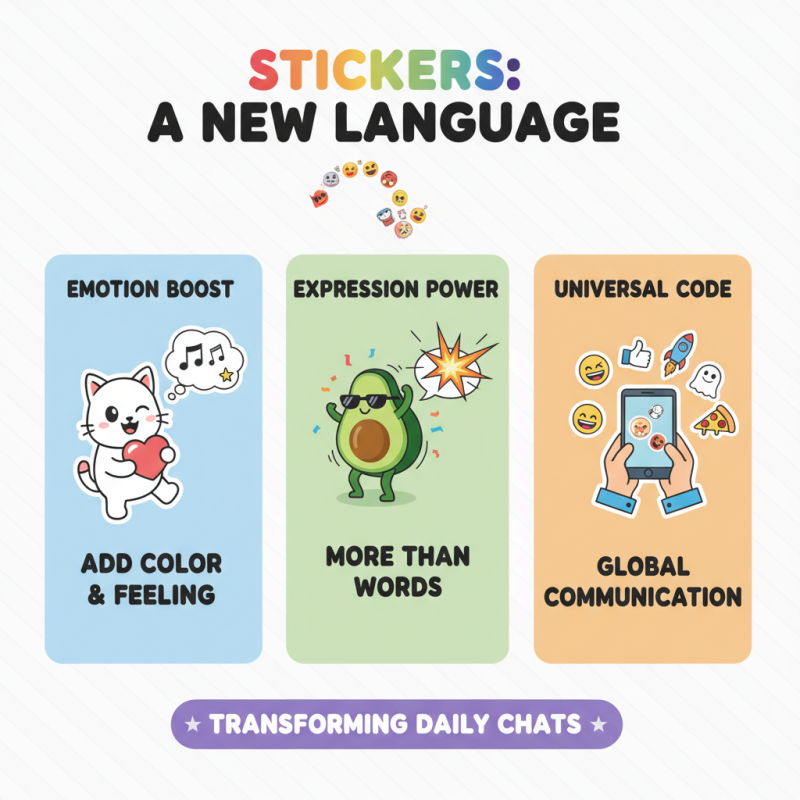
Stickers have transformed our daily conversations in unexpected ways. They add color and emotion to otherwise plain messages. Imagine sending a text filled with a vibrant sticker of a smiling cat or a dancing avocado. This tiny image can convey joy, humor, or excitement more than words alone. Stickers are not just visuals; they serve as a language of their own.
In modern communication, stickers break down barriers. They help express feelings that might be hard to articulate. Not everyone feels comfortable sharing their emotions openly. A simple thumbs-up sticker can quickly affirm someone’s message. It's a fast and relatable response, but it often lacks nuance. Sometimes, this reliance on stickers might oversimplify complex feelings. When we lean too heavily on them, deeper conversations can fade away.
Furthermore, stickers reflect our unique personalities. Everyone chooses different stickers to represent themselves. A quirky design can make one stand out, while others might prefer classic emojis. Yet, this reliance on visual symbols can lead to misunderstandings. What one person finds funny, another may find offensive. We must navigate this new language carefully. Stickers are powerful, but they are not a substitute for genuine connection.
How Sticker Cuts Enhance Emotional Connectivity
Stickers have become a unique way to express emotions. With sticker cuts, we can add a personal touch to our conversations. These colorful images can convey feelings that words sometimes cannot. A simple sticker can tell someone you care or make them smile. The visual nature of stickers connects us on a deeper level.
When we send a sticker, we share a slice of our identity. It feels raw and authentic. Some stickers are funny, while others are relatable. They can capture fleeting emotions, creating a bridge between ourselves and our friends. However, it can be challenging to choose the right sticker. A mismatch might lead to misunderstandings. Reflecting on our choices can enhance that connection.
Sticker cuts bring a sense of playfulness. They remind us that it’s okay to be imperfect. Sometimes we overshare or pick stickers that don’t fully represent our feelings. Yet, that’s part of the beauty. Every interaction becomes a learning experience. Embracing the imperfections in our expression can lead to deeper connections.
The Cultural Impact of Sticker Cuts on Personal Expression
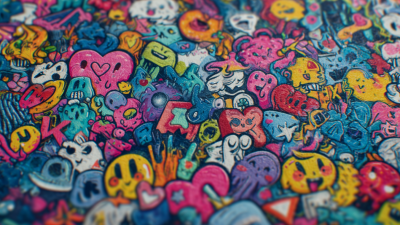
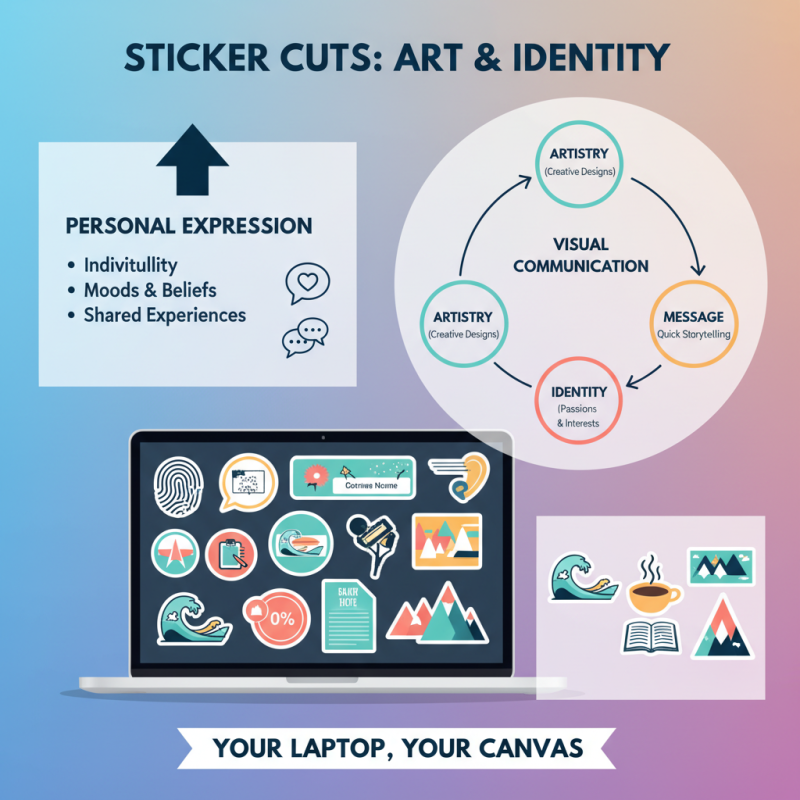
Sticker cuts have emerged as a unique form of personal expression. They blend art and communication seamlessly. The act of choosing a sticker cut reflects individuality. People share their moods, beliefs, and experiences through these small, colorful visuals. A sticker on a laptop can say so much. It portrays interests and passions at a glance.
These small art pieces carry cultural significance. They allow us to connect with others who share similar thoughts and feelings. Combining various styles, sticker cuts challenge traditional norms. They transform ordinary surfaces into canvases of self-expression. However, not everyone appreciates this medium. Some might see it as a fleeting trend. There’s a question of authenticity in these representations.
We often find ourselves selecting stickers based on current emotions. Yet, do they always capture who we truly are? Sometimes, they project an image that doesn’t resonate with our core selves. As we explore this form of expression, we might need to reflect on what we choose to display. Is it a genuine reflection of our identity? Or simply a response to societal trends?
Future Trends: The Continuing Popularity of Sticker Cuts in Communication
The rise of
sticker cuts
is transforming communication. These digital stickers are more than just fun images. They are a new language, filled with
emotion and
personality. People use them to express feelings that words alone cannot capture. In an era dominated by text, sticker cuts add a much-needed visual element to conversations.
Young people particularly embrace this trend. They're quickly adopting sticker cuts in messaging apps. A simple heart or a laughing face can convey deep emotions. However, using stickers can sometimes lead to misunderstandings. What one person finds
funny, another might not. It’s worth reflecting on how these images impact connection and intent.
Moreover, sticker cuts are creatively limitless. Custom designs can reflect personal stories or inside jokes. This personal touch fuels their popularity. Yet, the overuse of sticker cuts might drown genuine communication.
Balance is key. Finding the right moments to use stickers can elevate our conversations. Awareness of when to choose
words over images is essential for meaningful interactions.