| Definition |
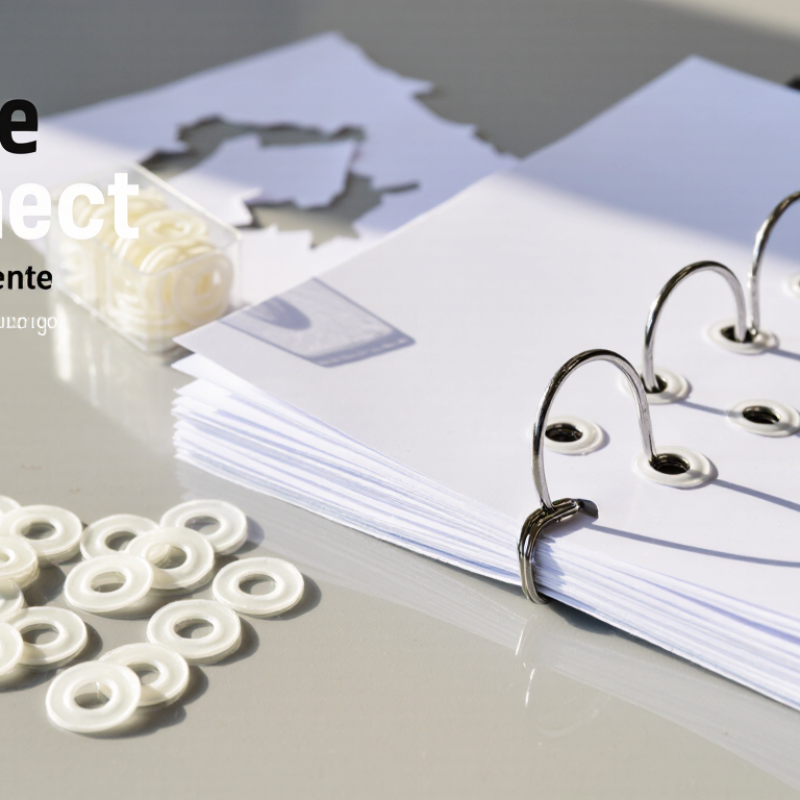
A punch hole reinforcement is a small adhesive ring, patch, or label placed around a punched hole in a sheet of paper or similar material. |
It strengthens the area surrounding the hole and helps reduce tearing during filing, turning, or removing pages. |
| Primary Function |
The reinforcement distributes stress away from the cut edge of the hole and provides additional support to the surrounding sheet. |
It is useful when pages are handled frequently or stored in a ring binder, file folder, or archival mechanism. |
| Common Materials |
Typical reinforcements are made from pressure-sensitive paper, coated paper, transparent film, or thin synthetic material with an adhesive backing. |
Paper versions blend more naturally with documents, while film versions can offer improved resistance to moisture and abrasion. |
| Adhesive Type |
Most products use a pressure-sensitive adhesive that bonds when the reinforcement is pressed onto a clean, dry surface. |
The sheet normally does not require heat, water, or special equipment during application. |
| Typical Shape |
Round rings are common because they follow the shape of standard punched holes. Some versions use elongated or rectangular patches for larger damaged areas. |
The shape should match the hole and leave enough material around the opening to provide effective support. |
| Typical Hole Compatibility |
Reinforcements are generally designed for standard office punch holes, including two-hole and multi-hole filing systems. |
Hole spacing and diameter should be checked before use so the reinforcement does not interfere with binder rings or filing pins. |
| Document Types |
They can be used on letters, forms, reports, worksheets, manuals, index pages, schedules, and other punched documents. |
They are especially helpful for pages that are frequently turned, removed, reorganized, or transported. |
| Application Method |
Remove the release liner, align the opening of the reinforcement with the punched hole, and press the adhesive firmly onto the page. |
Accurate alignment prevents the reinforcement from covering the hole or obstructing a binder mechanism. |
| Surface Preparation |
The paper should be clean, dry, and free from loose fibers, dust, oil, or moisture before application. |
Good surface preparation improves adhesion and reduces the risk of lifting at the edges. |
| Repairing Existing Damage |
Reinforcement patches can be applied over a partially torn or weakened hole when the surrounding paper is still sufficiently intact. |
Severely missing or crumpled paper may require a larger repair patch or replacement of the page instead. |
| Preventive Use |
Reinforcements may be applied before a page is filed to help prevent the punched edge from splitting during normal handling. |
Preventive application is often more effective than repairing a hole after extensive tearing has occurred. |
| Benefits |
Key benefits include simple application, low material use, improved hole strength, and reduced page tearing. |
They provide a practical repair option without replacing the entire document. |
| Limitations |
They cannot fully restore paper that is missing, wet, heavily contaminated, or structurally damaged. |
For valuable or fragile records, the repair method should be tested on a less important sample first. |
| Archival Consideration |
For long-term storage, select products described as acid-free or archival-quality and confirm that the adhesive is suitable for the document. |
Material compatibility matters because some adhesives or coatings may discolor, stain, or become difficult to remove over time. |
| Best Handling Practice |
Apply the reinforcement with clean hands or clean tools, avoid stretching it, and press evenly around the complete adhesive area. |
Even pressure helps prevent air pockets, wrinkles, and edge lifting. |
| Selection Criteria |
Important selection factors include hole size, reinforcement shape, material, adhesive strength, transparency, color, and intended storage period. |
The selected product should match both the document surface and the filing system in which the page will be used. |