How to Effectively Use Thermal Sticker Roll for Your Business Needs?
Using a Thermal Sticker Roll can greatly enhance your business operations. These versatile tools serve various purposes, from labeling products to organizing inventory. Many businesses overlook their potential. It’s essential to understand how to use them effectively.
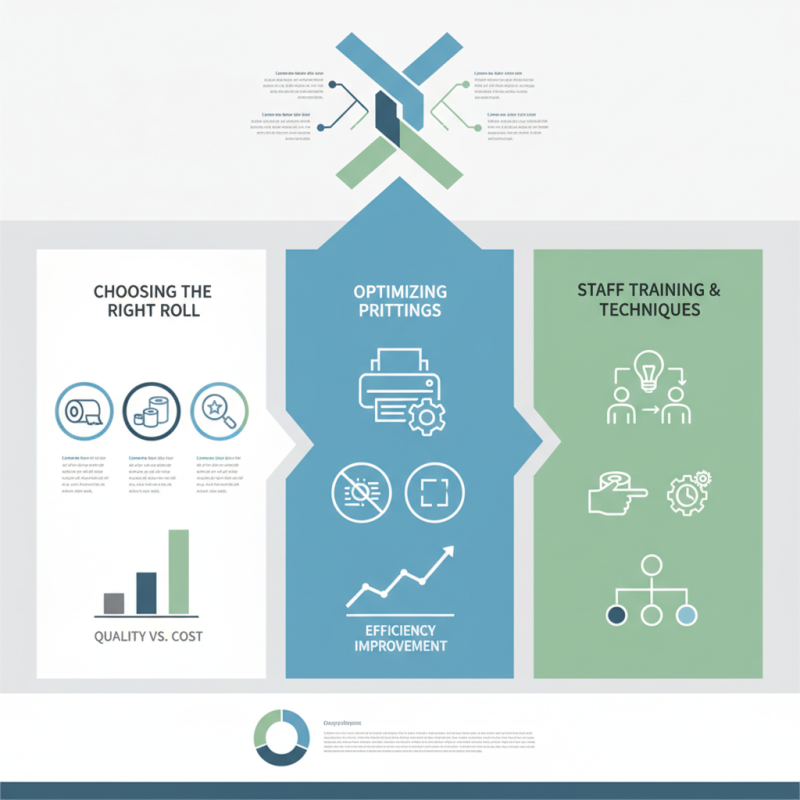
Thermal Sticker Rolls come in various sizes and types. Choosing the right one may feel overwhelming. It can be tempting to pick the cheapest option available. However, considering quality is key. A poor quality sticker may not adhere well or can smudge easily.
Efficiency is crucial in business. Many users struggle with printer settings for their Thermal Sticker Roll. They often face issues like fading or misalignment. Addressing these problems early can save time and money. Additionally, investing time in staff training can significantly improve results. Emphasizing the proper techniques may lead to better outcomes. Remember, a small adjustment can make a big difference in your workflow.
Understanding Thermal Sticker Rolls: Types and Materials Used
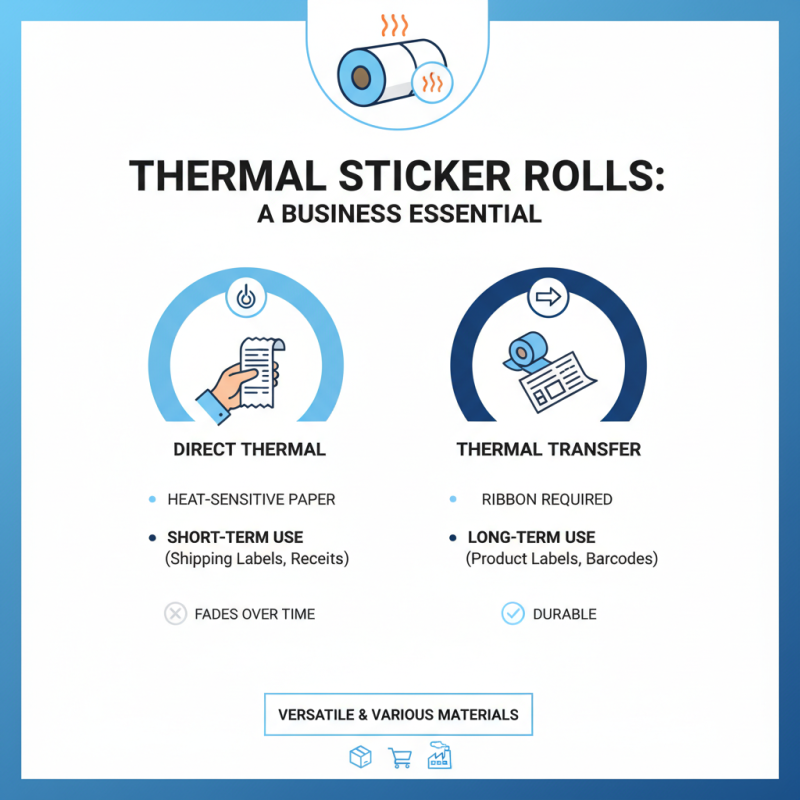
Thermal sticker rolls are versatile tools for many businesses. They come in various types and materials to suit different needs. The most common types are direct thermal and thermal transfer. Direct thermal stickers use heat-sensitive paper. This makes them ideal for short-term labels like shipping or shipping receipts. They may fade over time, which is a limitation.
In contrast, thermal transfer stickers use a ribbon to apply ink. These offer greater durability and can withstand various conditions. They are often chosen for product labels that require longevity and resilience. Materials can range from paper to synthetic options like polyester. The choice of material impacts not only durability but also appearance.
Understanding the right type is crucial. Businesses may find themselves frustrated when labels don’t meet their expectations. For example, a direct thermal label used for a long-term application may not hold up well. This mismatch can lead to poor branding and customer dissatisfaction. Experimenting with different types can offer clearer insights into what fits best. Consider the application carefully before making a selection.
Key Applications of Thermal Sticker Rolls in Various Industries
Thermal sticker rolls have become essential in various industries. Retail businesses use these stickers for pricing and barcodes. Fast printing speeds help maintain workflow efficiency. However, poor-quality thermal rolls can lead to fading or smudging. Businesses should test quality before bulk purchasing.
In the shipping and packaging sectors, thermal stickers play a critical role in label making. Shipping labels with tracking information help streamline logistics operations. When labels are unclear, they can cause delays. Maintaining label clarity is non-negotiable for timely deliveries. Scanning issues due to poor printing can also lead to frustration.
Healthcare applications also benefit greatly from thermal sticker rolls. Patient identification labels ensure safety and proper care. However, if labels peel off, it poses significant risks. Regular quality checks and adhesive testing are necessary. In all these cases, the service quality can hinge on choosing the right thermal sticker roll.
Choosing the Right Thermal Printer for Optimal Results
Choosing the right thermal printer is crucial for any business using thermal sticker rolls. The printer's specifications can significantly impact the quality and efficiency of printing. Research shows that choosing a printer with a resolution of at least 300 DPI can enhance clarity, especially for small font sizes. A reliable printer can reduce waste by minimizing errors.
Tips: Always consider your printing volume. A high-duty cycle printer is ideal for businesses with extensive printing needs. Look for models that support different sizes of thermal stickers to increase versatility.
Compatibility also matters. Ensure the printer works with your existing software and thermal stickers. A mismatch can lead to frustration and wasted resources. Interestingly, industry data indicates that businesses report up to a 30% increase in efficiency when using compatible technologies.
Keep an eye on maintenance requirements too. Some printers need frequent maintenance, which can be a hassle. Regular cleaning and proper usage can prolong their life and ensure consistent performance. Remember, investing in a good printer is not just about the initial cost; it's about the long-term benefits for your operations.
Usage of Thermal Sticker Rolls by Business Type
Best Practices for Label Design and Layout for Thermal Stickers
When designing thermal stickers, clarity is crucial. Use bold fonts that are easy to read. Elements like logos should not overpower the text. Stick to colors that contrast well for visibility. Think about the lighting where these stickers will be used. If they are on shelves, bright colors might help catch the eye.
Layout is another important factor. Keep essential information at the top. An organized design allows customers to find details quickly. However, avoid overcrowding. Too much information can confuse the viewer. Instead, focus on key features of the product. Leave some white space to give the eye a break.
Consider doing a few test runs before finalizing your design. Gather feedback from team members. You might find that ideas you thought were great need adjustment. Reflection on your design choices often leads to improved results. Every detail makes a difference in effective communication.
How to Effectively Use Thermal Sticker Roll for Your Business Needs?
| Label Design Element |
Best Practice |
Purpose |
| Color Contrast |
Use high contrast colors for readability |
Enhances legibility from a distance |
| Font Selection |
Choose sans-serif fonts for clarity |
Improves quick recognition of text |
| Label Size |
Select appropriate sizes for products |
Ensures labels fit well and are not obstructive |
| Image Quality |
Use high-resolution images |
Prevents pixelation and maintains professionalism |
| Information Hierarchy |
Prioritize information by size and placement |
Guides customer attention to key details |
| Testing |
Print test labels before bulk production |
Ensures quality and accuracy in printing |
Cost-Benefit Analysis: Investing in Thermal Sticker Rolls for Business
Investing in thermal sticker rolls can offer significant benefits for businesses. Reports indicate that the global thermal printing market is expected to grow by over 4% annually until 2025. This growth highlights the increased demand for efficient labeling solutions across various industries. Companies can reduce costs by using thermal stickers instead of traditional printing methods. The elimination of ink and toner cuts down on ongoing expenses.
Thermal sticker rolls provide durability and weather resistance. They are ideal for long-term applications. Data shows that businesses can save up to 15% on labeling costs when they switch to thermal printing. However, some companies hesitate due to the upfront investment in equipment. This concern is valid, especially for small businesses. Yet, considering the long-term savings, it might be worthwhile.
A meticulous analysis can reveal the actual return on investment. Businesses must calculate their current labeling costs. They can compare these against the costs of thermal rolls. Over time, the benefits should outweigh the initial investment. Understanding these dynamics can lead to smarter financial decisions. The challenge lies in assessing individual business needs accurately.