How to Use Sticky Printer Labels Effectively for Your Business?
In today's competitive business landscape, effective labeling is essential. Sticky Printer Labels prove to be a versatile tool for various applications. They help streamline operations and improve branding.
Many businesses struggle with the right labeling techniques. Some labels peel off easily, causing frustration and waste. Learning to use Sticky Printer Labels can prevent these issues. Proper application techniques can ensure they remain secure.
Additionally, it's essential to choose the right label material. Not all labels are created equal, and this can impact durability. Reflecting on past experiences can guide better choices. By understanding these details, businesses can enhance their efficiency and present a professional image.
Understanding the Different Types of Sticky Printer Labels Available
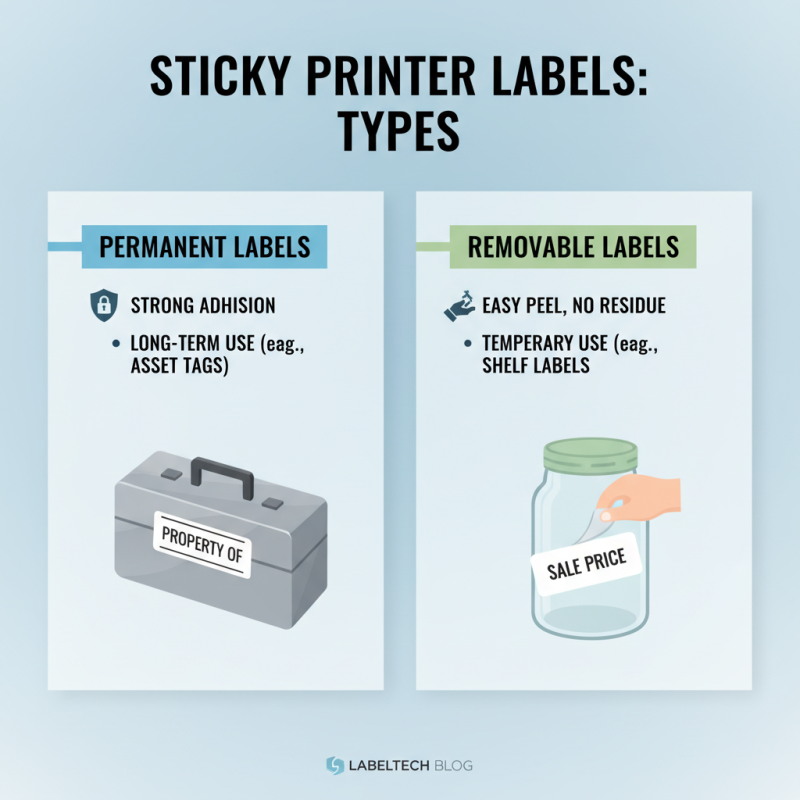
When considering sticky printer labels, it’s essential to understand the different types available. Adhesive labels primarily fall into two categories: permanent and removable. Permanent labels are strong and resist peeling, making them ideal for long-term applications. Removable labels, on the other hand, can be taken off easily without leaving residue, suitable for temporary needs.
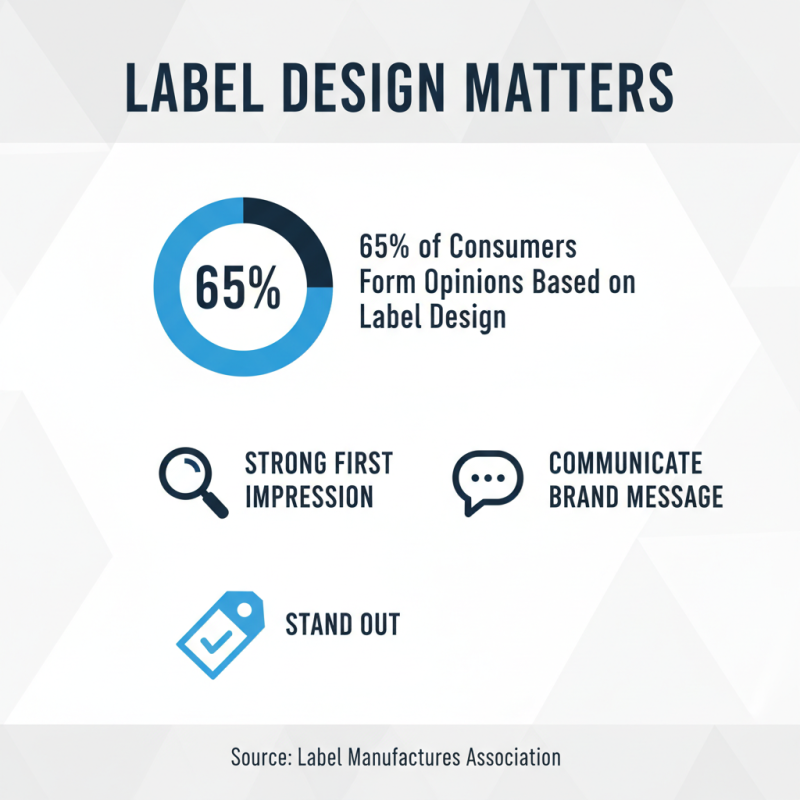
According to a recent study from the Label Manufacturers Association, over 70% of businesses use adhesive labels for promotions. This highlights the importance of choosing the right type. For inventory management, you might opt for durable, water-resistant labels. For event labels, selecting removable options can enhance user experience.
Tips: Always test labels on various surfaces to check adhesion. Regularly review the label quality to avoid issues. Consider the lifespan of your labels based on their intended use. A thoughtful selection will minimize waste and ensure effectiveness. Labels might not stick properly in extreme temperatures. Adjust your choice based on environmental factors.
Choosing the Right Printer for Your Sticky Labels Needs
Choosing the right printer for your sticky label needs is crucial for efficiency. Consider the type of labels you plan to print. Some printers work best with specific label materials. Ensure your printer can handle the thickness and adhesive type of your chosen labels. Keeping your printer’s specifications in mind will save you time and avoid frustration.
Tips: Before purchasing a printer, read user reviews. This can help identify common issues. You might find that a highly rated model has a significant drawback you need to consider. Testing a few label samples before settling on a machine is wise. You should also check how many labels it can print in an hour.
Another factor to consider is color quality. If your sticky labels require vibrant colors, invest in an inkjet printer. These printers generally offer better color accuracy than laser printers. However, laser printers can be faster and more cost-effective for black-and-white labels. Think about your business's primary needs.
Tips: Have a backup plan for printer malfunctions. Unexpected issues can affect your workflow. Maintaining a good relationship with tech support is essential. It’s always better to be prepared for the unexpected.
Usage of Sticky Printer Labels in Various Industries
This bar chart illustrates the percentage of sticky printer label usage across different industries, highlighting key sectors where these labels are essential.
Best Practices for Printing and Applying Sticky Labels
Applying sticky labels properly can enhance your business's branding and organization. Clean the surface before applying the label. Dirt or grease can prevent a strong bond. Use a clear and simple design for easy readability. The layout should make essential information pop. Choosing the right size for your labels is crucial too. Oversized labels can overwhelm the product, while too-small labels may get lost.
When printing labels, select high-quality material. This ensures durability and a professional appearance. Test print your labels before a large batch. Small misalignments can lead to wasted labels. Watch out for color variations in different lighting. They may not look the same on the shelf.
Also, think about the application method. Manual application might introduce inconsistencies. Consider investing in a labeling machine for efficiency. If applying by hand, practice for uniformity. It's easy to skip this and end up with a messy look.
Reflecting on how labels represent your brand is important. Are they serving their purpose effectively?
Tips for Storing and Maintaining Sticky Label Inventory
When it comes to storing and maintaining your sticky label inventory, organization is key. Keep your labels in a cool, dry place. High humidity can damage adhesive quality. Consider using clear bins for easy visibility. Label the bins to find what you need quickly. This also helps prevent overdue stock from piling up.
Rotate your stock regularly. Use the older labels first to minimize waste. This can be a challenge, especially when you have various sizes. Set reminders to check your label inventory monthly. This can help with planning your next order. Remember, maintaining an optimal stock level saves money.
Regularly inspect your labels for any signs of damage. Peeling or tears can lead to wasted materials. If you notice any issues, make a note. Consider ways to improve the storage environment. Sometimes a simple change can extend the life of your labels significantly. Developing a habit of routine checks is beneficial in the long run.
How to Use Sticky Printer Labels Effectively for Your Business? - Tips for Storing and Maintaining Sticky Label Inventory
| Label Type |
Best Use Case |
Storage Tips |
Maintenance Tips |
| Glossy Labels |
Product packaging and branding |
Store in a cool, dry place away from direct sunlight |
Regularly check for any peeling edges |
| Matte Labels |
Office organization and labeling |
Keep in original packaging until needed |
Store horizontally to prevent bending |
| Waterproof Labels |
Outdoor use and product labeling |
Avoid high humidity environments |
Inspect for any signs of damage regularly |
| Removable Labels |
Temporary promotional labeling |
Store in a stable temperature area |
Check adhesive quality before use |