How to Choose the Best ATM Receipt Paper for Your Business?
Choosing the right ATM receipt paper is crucial for any business. According to a recent report by IBISWorld, the global market for ATM services is projected to exceed $16 billion by 2024. This growth highlights the importance of reliable equipment and supplies, including ATM receipt paper. Selecting high-quality paper ensures clear printing and enhances customer satisfaction.
In the fast-paced financial environment, businesses often overlook the importance of receipt paper. However, poor-quality paper can lead to legibility issues. A 2022 survey revealed that 35% of ATM users experienced problems with unreadable receipts. These issues can damage a brand's reputation. Therefore, it is essential to invest in the right paper.
Considering factors like thermal sensitivity and durability is vital. Not all ATM receipt paper is the same. Using subpar materials can lead to increased costs, as poor receipts may cause complaints and refunds. Businesses must reflect on their choices. Striking a balance between cost and quality is not always straightforward, but it is necessary for long-term success.
Understanding the Types of ATM Receipt Paper Available
When selecting ATM receipt paper, it's essential to understand the types available. Generally, there are two primary types: thermal and bond paper.
Thermal paper is sensitive to heat and delivers clear prints without ink. It’s often used in ATMs for its quick printing abilities. However, it can fade over time, especially when exposed to heat or light.
Bond paper, on the other hand, is less prone to deterioration. It offers durability, making it suitable for long-term storage. According to industry reports, around 70% of businesses opt for thermal paper due to its cost-effectiveness. However, users must consider the long-term implications of fading text. The choice between these papers can significantly impact customer experience.
Additionally, paper dimensions and thickness vary. Standard sizes include 80mm and 58mm rolls. Yet, many businesses fail to assess the importance of thickness, which affects print quality. For instance, thinner paper may jam more frequently. A balance between cost and quality is crucial. Businesses should ideally test paper samples before making bulk purchases.
Key Factors to Consider When Choosing ATM Receipt Paper
Choosing the right ATM receipt paper is critical for your business operations. There are key factors that should influence your decision. One of the most important aspects is paper quality. You want receipts that won’t fade quickly. Faded receipts can lead to disputes with customers over transactions.
Another factor is the roll size of the paper. Different ATM machines require specific roll sizes. Check your machine’s compatibility to avoid jams. Be mindful of the thickness as well; a paper that is too thin might tear easily, while overly thick paper can jam the printer.
Additionally, consider the environmental impact. Some paper options are eco-friendly and reduce waste. This choice not only benefits the planet but can also enhance your brand's image. Balancing cost and quality can be challenging. Sometimes, a cheaper option may lead to higher costs down the road due to poor performance. Reflect on your business’s needs and the long-term implications of your decision.
How to Choose the Best ATM Receipt Paper for Your Business? - Key Factors to Consider When Choosing ATM Receipt Paper
| Dimension |
Description |
Recommended Value |
| Paper Type |
Thermal vs. Non-Thermal |
Thermal is preferred for faster printing. |
| Paper Width |
Width of paper roll |
57 mm (commonly used for ATMs) |
| Thickness |
Thickness of the paper |
55 - 65 microns |
| Length |
Length of paper roll |
30 meters (standard length) |
| Print Quality |
Clarity and legibility of print |
High-density printing recommended |
| Color Fastness |
Resistance to fading over time |
Durable against UV light |
| Compatibility |
Fits into ATM printer types |
Check manufacturer specifications |
| Cost |
Price per roll or per unit |
Evaluate based on volume |
Evaluating Quality and Durability of Receipt Paper
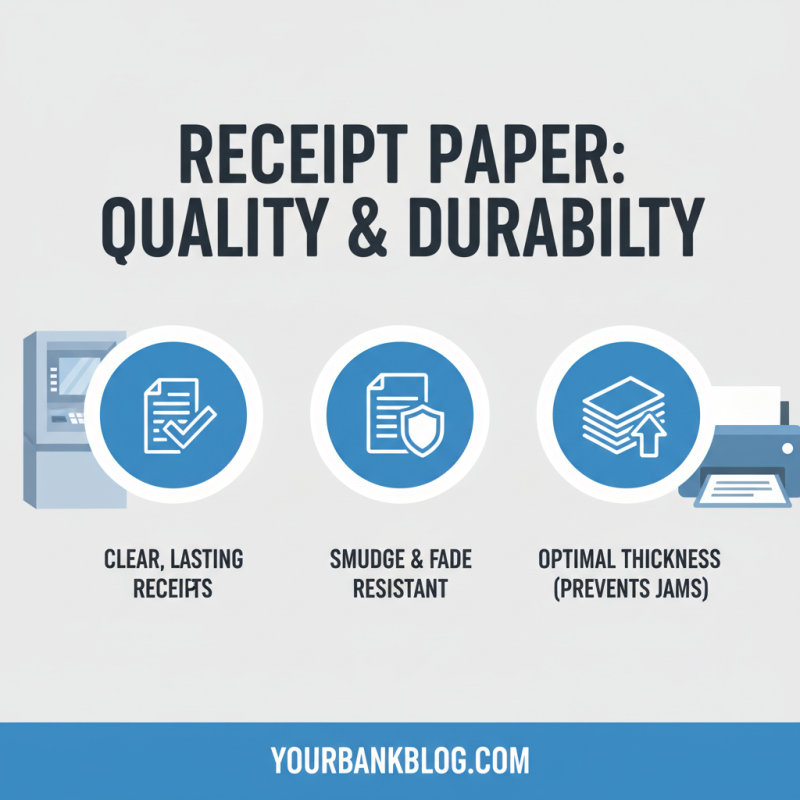
When selecting receipt paper for your ATM, quality and durability are crucial factors to consider. High-quality paper can ensure clear, lasting receipts. Look for papers that resist smudging and fading. Choose a thickness that suits your printer's specifications, as thinner papers may jam more easily.
Tips: Always ask your supplier for samples. Test different types in your ATM. Observe how they perform over time in various conditions.
Durability is equally important. Poor-quality paper can lead to illegible receipts, affecting customer service. Consider the environmental conditions in your business location. Extreme temperatures and humidity can degrade paper quickly. It’s wise to evaluate how the paper holds up under these circumstances.
Tips: Store your paper in a cool, dry place. Check expiration dates; outdated paper can yield unsatisfactory results. Keep an eye on the printing mechanism and how well it interacts with your paper choice.
Assessing Cost-Effectiveness and Supplier Options
When selecting ATM receipt paper for your business, cost-effectiveness and supplier options are crucial factors. Companies often overlook the long-term savings associated with high-quality paper. According to a recent study by the Research Institute of Paper Technology, using durable paper can extend the lifespan of your ATM printers. This translates to fewer replacements and maintenance costs.
Identify suppliers that provide consistent quality and competitive pricing. A report by the Paper & Packaging Board indicates that businesses can save up to 20% annually by comparing supplier contracts and negotiating better terms. It's vital to evaluate multiple options to ensure you're not locked into uncompetitive rates.
Tip: Always request samples before making a bulk purchase. This practice can help avoid potential issues with compatibility.
Consider the type of paper needed. Thermal paper is the most common type used in ATMs due to its quick printing capabilities. However, not all thermal papers are created equal. Some may degrade faster or jam, leading to additional downtime. A careful review of supplier performance can prevent these setbacks.
Tip: Keep track of your paper usage and costs monthly. Regular assessments can identify trends and opportunities for savings.
Cost-Effectiveness of ATM Receipt Paper Options
Environmental Considerations for ATM Receipt Paper Choices
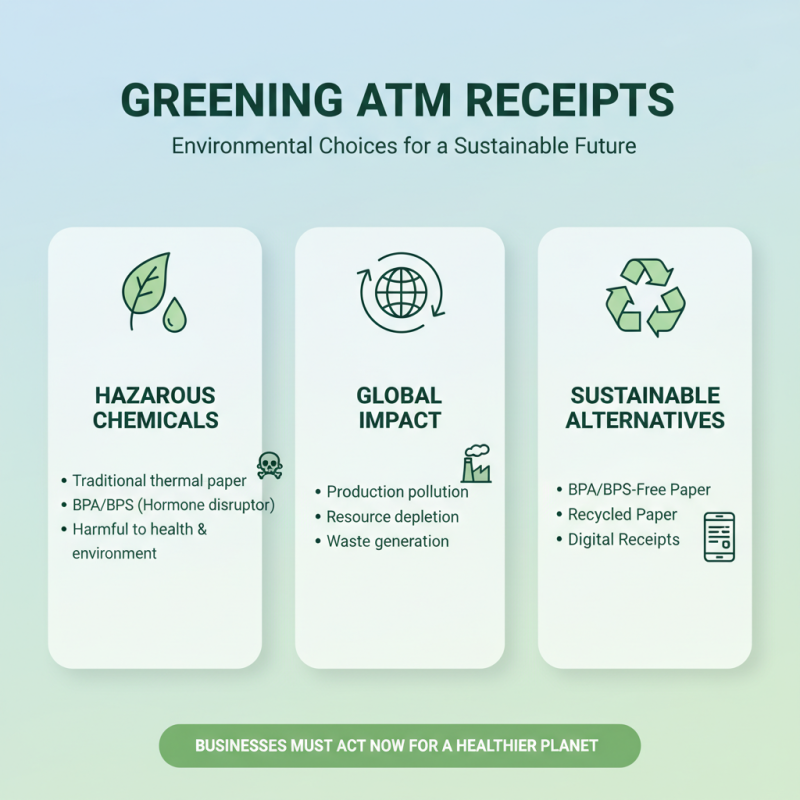
When choosing ATM receipt paper, environmental considerations are crucial. The production process of traditional thermal paper involves hazardous chemicals, which can be harmful to both the environment and human health. Studies indicate that about 90% of thermal paper contains BPA or BPS, substances linked to hormonal disruption. Businesses must play a role in mitigating this impact.
Sustainable options are emerging in the market. Recycled and eco-friendly thermal papers are now available. They offer similar quality without the toxic chemicals found in conventional options. According to a report by the Environmental Protection Agency (EPA), using recycled paper can reduce carbon emissions by 30% compared to virgin paper. This transition, while beneficial, also raises questions about performance consistency and long-term cost implications.
Evaluating the lifecycle of receipt paper is vital. From production to disposal, each step carries environmental footprints. While eco-friendly options may require a higher initial investment, they can lead to savings through reduced regulatory compliance costs. Companies may struggle with balancing cost and sustainability but must consider the broader impact on their brand and the planet. Increasing consumer awareness about sustainability can shift purchasing decisions, emphasizing the need for responsible sourcing in every aspect of business.