Why Choose Plastic Labels for Your Product Packaging Needs?
In today's competitive market, choosing the right packaging for your products is crucial. Many businesses are turning to Plastic Labels due to their versatility and durability. According to Mark Smith, a leading expert in packaging solutions, "Plastic Labels are not just about aesthetics; they offer practicality and strength." This statement captures the essence of why these labels are becoming essential for various industries.
Plastic Labels are designed to withstand harsh conditions. They resist water, chemicals, and UV rays, ensuring that they remain intact throughout the product's lifecycle. Companies that prioritize durability in their packaging understand the importance of longevity. However, not all businesses appreciate the full potential of Plastic Labels. Some may fear higher initial costs or overlook customization options.
In an era where branding matters, Plastic Labels provide an opportunity for creativity. Businesses can showcase their identity while ensuring functionality. Yet, striking a balance between cost and quality remains a challenge. Overall, those who embrace Plastic Labels often find they enhance their product appeal significantly. The benefits are clear, but it’s essential to reflect on the unique needs of your brand before making a decision.
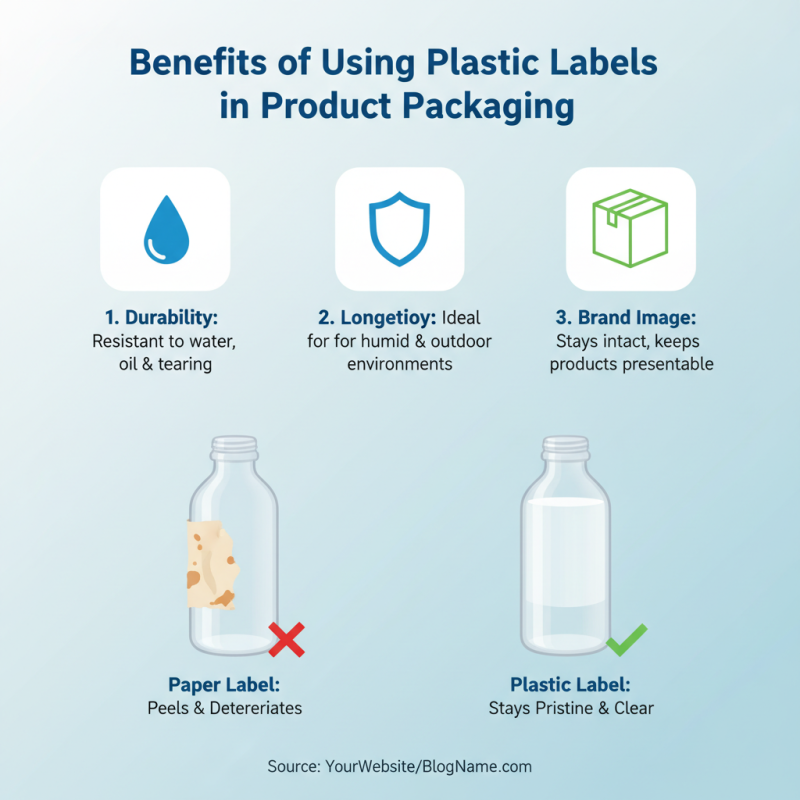
Benefits of Using Plastic Labels in Product Packaging
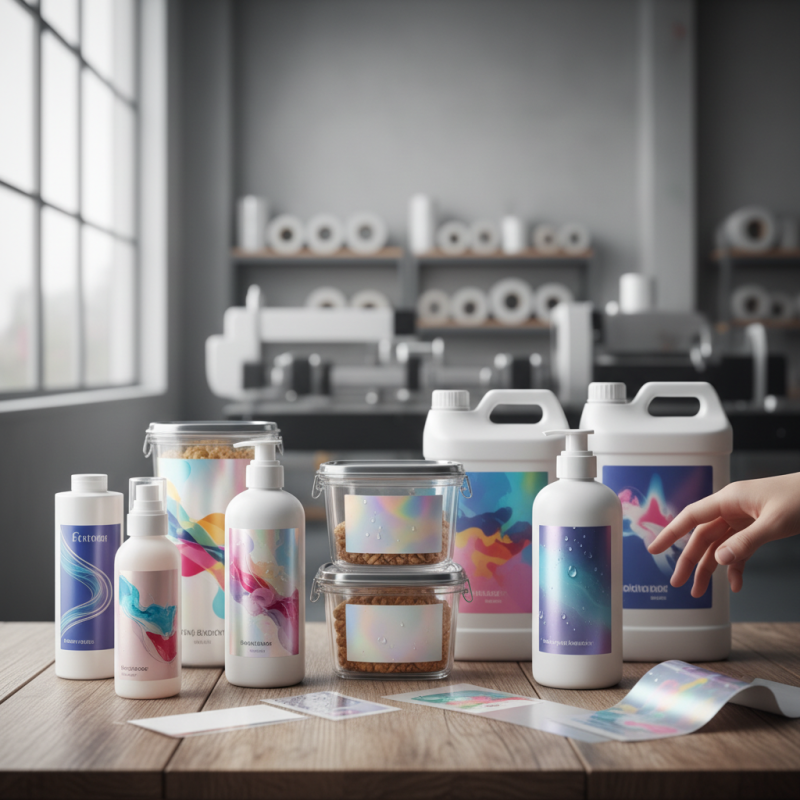
Plastic labels are increasingly popular in product packaging. They offer durability that paper labels cannot match. Plastic labels resist water, oil, and tearing. This makes them ideal for products in humid or outdoor environments. Imagine a bottle of oil; a paper label would easily peel off. However, a plastic label stays intact, ensuring the product remains presentable and informative.
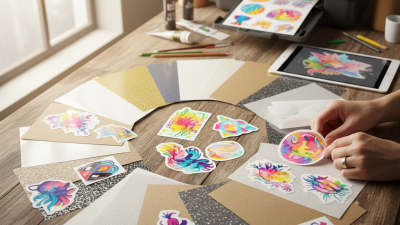
Another notable benefit is flexibility in design. Plastic labels can be printed with vibrant colors and intricate patterns. Brands can create eye-catching visuals that stand out on the shelves. This feature attracts consumers and increases engagement. Moreover, plastic labels can be shaped in various forms, adding uniqueness to your packaging. The creative possibilities are endless.
Despite these advantages, there are some challenges. The upfront cost of plastic labels may be higher than paper. Sustainability concerns also arise, as plastic waste becomes a global issue. Brands must reflect on their choices. Opting for recycled materials or biodegradable options can align with eco-friendly practices. Balancing aesthetics and sustainability is crucial for modern brands.
Durability and Longevity of Plastic Labels Compared to Other Materials
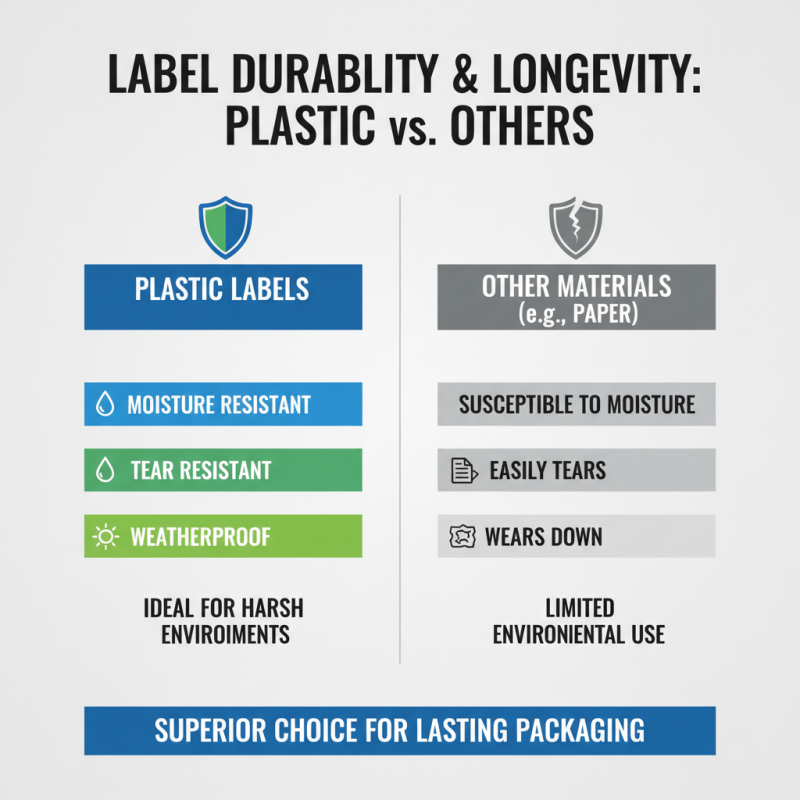
When it comes to product packaging, selecting the right label material is crucial. Plastic labels stand out for their remarkable durability and longevity. Unlike paper, which can tear or become soggy, plastic labels resist moisture and wear. This feature makes them suitable for a range of environments. They survive harsh weather, making them ideal for outdoor products.
Plastic labels also withstand scratching and fading. This means your branding remains visible over time. Many companies find that their labels look intact even after extended use. However, not all plastics are created equal. Some may degrade under UV exposure. It's important to choose the right type of plastic for your specific needs.
While plastic labels offer significant advantages, they are not without flaws. They can be less eco-friendly compared to biodegradable materials. Many consumers are becoming more environmentally conscious. Brands must consider their audience's values. Balancing durability with environmental concerns can be challenging but is essential for long-term success.
Variety of Customization Options for Plastic Labels
When it comes to packaging, plastic labels offer a range of customization options that cater to various brand needs. They can be designed in countless shapes, sizes, and colors, providing endless possibilities to convey a product's identity. This flexibility allows businesses to create labels that stand out on the shelves. For example, vibrant colors can evoke emotions, while unique shapes can pique curiosity. Many brands use custom graphic designs to enhance their appeal.
Moreover, plastic labels are durable and can withstand various environmental conditions. They resist water, chemicals, and tearing, ensuring that the information remains readable over time. However, it’s essential to ensure the design aligns with brand values. A flashy label might attract attention but could confuse consumers about the product's true purpose. Businesses must strike a balance between creativity and clarity in their label design.
Customization doesn’t just stop at design. Brands can choose different finishes, like matte or glossy, adding to the tactile experience. This detail can influence a customer's impression of quality. Yet, some companies may overlook the importance of brand consistency across their packaging. Keeping a cohesive look while exploring customization options can enhance brand recognition and trust.
Cost-Effectiveness of Plastic Labels for Businesses
Plastic labels offer a blend of durability and flexibility, making them a smart choice for product packaging. According to a recent report by MarketsandMarkets, the global plastic label market is projected to reach USD 49 billion by 2026, indicating a growing preference among businesses. The adaptability of plastic labels ensures they can withstand different environmental conditions, appealing particularly to industries like food and beverage.
Cost-effectiveness is a critical factor in packaging decisions. A study by Smithers Pira highlights that plastic labels can be 10-30% more affordable than their paper counterparts. This financial benefit amplifies as businesses scale production, allowing for greater margins. Additionally, plastic labels can resist moisture and tearing, reducing the risk of product damage and the need for replacements.
While there are numerous advantages, businesses must also consider the environmental impact. Many companies are now exploring more sustainable options. They aim for balance between cost and ecological responsibility. Moving towards biodegradable plastics can be a solution, even if they initially come at a higher cost. Finding that right mix can help secure both profitability and public trust.
Cost-Effectiveness of Plastic Labels for Businesses
Environmental Considerations and Recycling of Plastic Labels
Plastic labels are often chosen for product packaging due to their adaptability and cost-effectiveness. However, environmental considerations are becoming crucial. The recycling of plastic labels presents challenges and opportunities. Many manufacturers use recyclable plastics, but not all plastics break down easily. It's vital to choose materials that can be efficiently processed at recycling facilities.
Finding effective ways to recycle plastic labels is key to reducing waste. Consumers are increasingly aware of the impact their choices have on the environment. Clear labeling regarding recyclability helps guide users. Misleading labels can lead to increased contamination in recycling streams. This complicates the recycling process and reduces overall efficiency.
Incorporating biodegradable options could enhance sustainability. Yet, not every biodegradable plastic can decompose in typical landfill conditions. Continuous innovation in labeling materials is required. Collaboration between manufacturers and recyclers can drive better solutions. Engaging in open dialogues about the environmental impact helps foster progress in sustainable packaging.