10 Best Plastic Bottle Labels for Effective Branding and Customization
In the world of consumer goods, effective branding and customization play crucial roles in attracting and retaining customers. Plastic Bottle Labels serve as a vital component in this process, offering businesses a unique opportunity to convey their brand identity and message at a glance. With the multitude of products available on store shelves, eye-catching and thoughtfully designed labels can make a significant difference in capturing consumer attention.
Selecting the right Plastic Bottle Labels can enhance not only the aesthetic appeal of a product but also provide essential information about its contents, usage, and safety. A well-designed label can communicate the brand's values, product features, and even eco-friendliness, thereby fostering a connection with consumers. In this guide, we will explore the ten best options for Plastic Bottle Labels that effectively support branding efforts and facilitate customization to meet specific marketing needs. Whether you are a small business owner or part of a larger brand, understanding the impact of label design is paramount in today's competitive marketplace.
Top Trends in Plastic Bottle Labeling for Brand Recognition
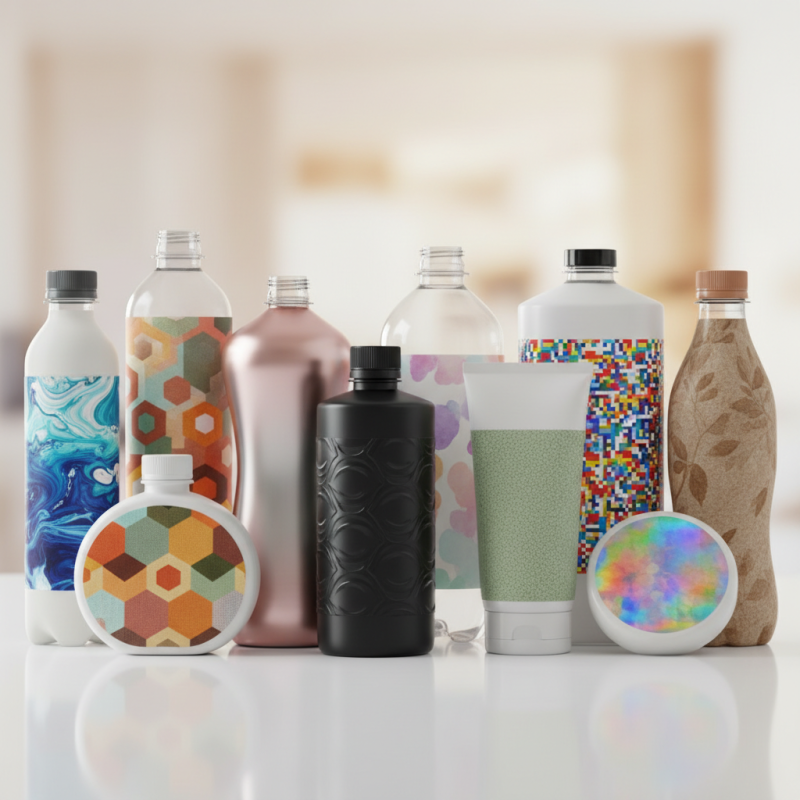
In the competitive landscape of product branding, effective plastic bottle labeling is essential for brand recognition. One of the top trends in this arena is the move towards sustainable materials. Brands are increasingly opting for eco-friendly labels that not only enhance their image but also resonate with environmentally conscious consumers. These biodegradable or recyclable labels help businesses communicate their commitment to sustainability, making them more appealing in a market where consumers are actively seeking greener options.
Another emerging trend is the use of bold, vibrant graphics and innovative designs that capture consumers' attention. Customization plays a critical role in this aspect; brands are employing unique shapes and textures, making the label itself a key part of the product experience. Techniques such as 3D printing or embossing can elevate the tactile interaction with the bottle, fostering a memorable connection with the customer. Coupled with eye-catching colors and clear typography, these design elements serve to create a lasting impression, reinforcing brand identity and recognition in a crowded marketplace.
Material Choices: Evaluating Durability and Aesthetic Appeal in Labels
When it comes to creating effective labels for plastic bottles, the choice of materials plays a crucial role in both durability and aesthetic appeal. A recent market report highlights that nearly 70% of consumers make snap judgments about a product based solely on its labeling. This underscores the importance of selecting materials that not only withstand environmental factors but also attract attention on the shelf. Polypropylene (PP) and polyethylene (PE) are two popular options due to their moisture resistance and flexibility. These materials ensure that the label maintains its integrity even under challenging conditions, such as refrigeration or exposure to sunlight.
In addition to durability, the aesthetic appeal of the labels greatly influences consumer perceptions. According to a study by the Packaging Machinery Manufacturers Institute, 61% of consumers perceive products with high-quality labels as premium offerings. This perception can be enhanced by using advanced printing techniques on materials like vinyl or paper stocks with finishes that add texture or gloss. By selecting the right combination of materials and designs, brands can create a strong visual identity that resonates with their target audience, driving engagement and boosting sales.
10 Best Plastic Bottle Labels for Effective Branding and Customization
| Label Material |
Durability Rating |
Water Resistance |
Finish Type |
Print Quality |
| BOPP |
High |
Yes |
Glossy |
High Resolution |
| PVC |
Moderate |
Yes |
Matte |
Standard Resolution |
| Paper |
Low |
No |
Matt |
Medium Resolution |
| Polyester |
High |
Yes |
Glossy |
High Resolution |
| Vinyl |
Very High |
Yes |
Glossy |
Professional Quality |
| Polypropylene |
Moderate |
Yes |
Matte |
High Resolution |
The Role of Color Psychology in Effective Label Design
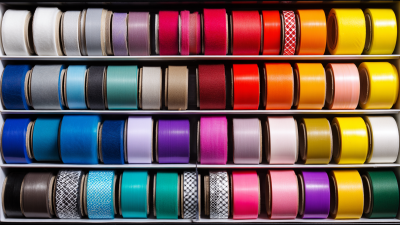
Color psychology plays a crucial role in label design, especially for plastic bottle branding, as it directly influences consumer perception and behavior. When designing labels, selecting the right colors can evoke specific emotions and associations. For instance, blue often conveys trust and reliability, making it a popular choice for products intended to promote health or wellness. In contrast, vibrant colors like red or orange can create a sense of urgency or excitement, effectively attracting attention on crowded shelves.
Furthermore, the color palette used can reflect the brand's identity and resonate with the target audience. Earthy tones may appeal to environmentally conscious consumers, while pastel shades might attract a younger demographic looking for freshness and novelty. It's essential for brands to understand their market and utilize color to communicate their message effectively. By integrating color psychology into label design, businesses can enhance their branding efforts and foster a deeper connection with their customers, ultimately leading to increased brand loyalty and sales.
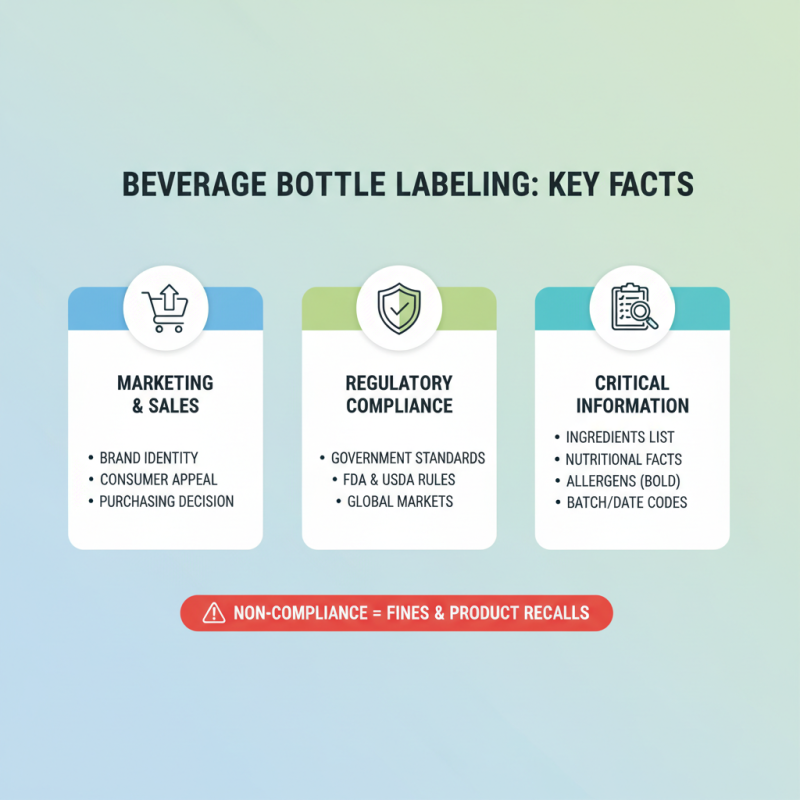
Regulatory Compliance: What You Need to Know for Labeling Beverage Bottles
Labeling beverage bottles is not only an essential aspect of marketing but also a critical requirement for regulatory compliance. Beverage manufacturers must ensure that their labels meet specific standards set by governmental agencies. This includes providing accurate information about the product's ingredients, nutritional content, and any allergens. Failure to comply with these regulations can lead to serious consequences, including fines and the removal of products from retail shelves.
In addition to ingredient disclosure, labels must also feature mandatory warnings and information, such as the presence of certain additives or the appropriate consumption instructions. For example, beverages containing caffeine must indicate the amount present, while alcoholic drinks are required to display health warnings. Understanding these requirements is vital, as they not only protect consumers but also enhance the credibility and trustworthiness of the brand. Achieving compliance helps businesses avoid potential legal issues and fosters stronger relationships with customers who prioritize transparency in their purchasing decisions.
Innovative Labeling Techniques: QR Codes and Interactive Elements in Branding
In today's competitive marketplace, branding extends far beyond logos and colors; it encompasses innovative techniques that can elevate consumer engagement. One notable method is the incorporation of QR codes into plastic bottle labels. These codes serve as a dynamic bridge between the physical product and the digital world, allowing brands to offer a wealth of information with just a simple scan. From detailed product descriptions to promotional offers, QR codes transform static packaging into an interactive experience, enhancing consumer interaction while informing and entertaining them.
Moreover, the integration of interactive elements such as augmented reality (AR) features on labels can further captivate consumers. When users scan a label, they could trigger immersive AR experiences that bring brand stories to life or showcase the product's benefits in a visually engaging manner. Such techniques not only heighten the consumer's experience but also create memorable connections with the brand.
As brands increasingly seek differentiation in a crowded market, utilizing QR codes and interactive elements on plastic bottle labels presents a powerful avenue for effective branding and customization, aligning perfectly with modern consumer preferences for interactivity and information accessibility.