What are the Benefits of Using Paper Barcodes in 2026?
In 2026, the advantages of using Paper Barcodes are becoming increasingly evident across various industries. Recent reports indicate that over 70% of retailers are adopting these barcodes due to their cost-effectiveness and environmental benefits. According to industry expert James Hartley, “Paper Barcodes not only streamline processes but also help reduce our carbon footprint.”
Using Paper Barcodes can enhance inventory management. They are lightweight, easy to print, and recyclable. These features make them a practical choice for businesses looking to improve efficiency while maintaining sustainability. However, challenges remain. For instance, not all Paper Barcodes are resistant to water or damage, which can lead to scanning errors.
The evolution of technology also poses a dilemma. While digital alternatives are tempting, many organizations still find solace in Paper Barcodes due to their reliability. A 2026 survey highlighted that 65% of small businesses favor Paper Barcodes for everyday transactions. As industries move forward, the balance between innovation and traditional methods will need careful consideration.

Benefits of Paper Barcodes Over Digital Alternatives in 2026
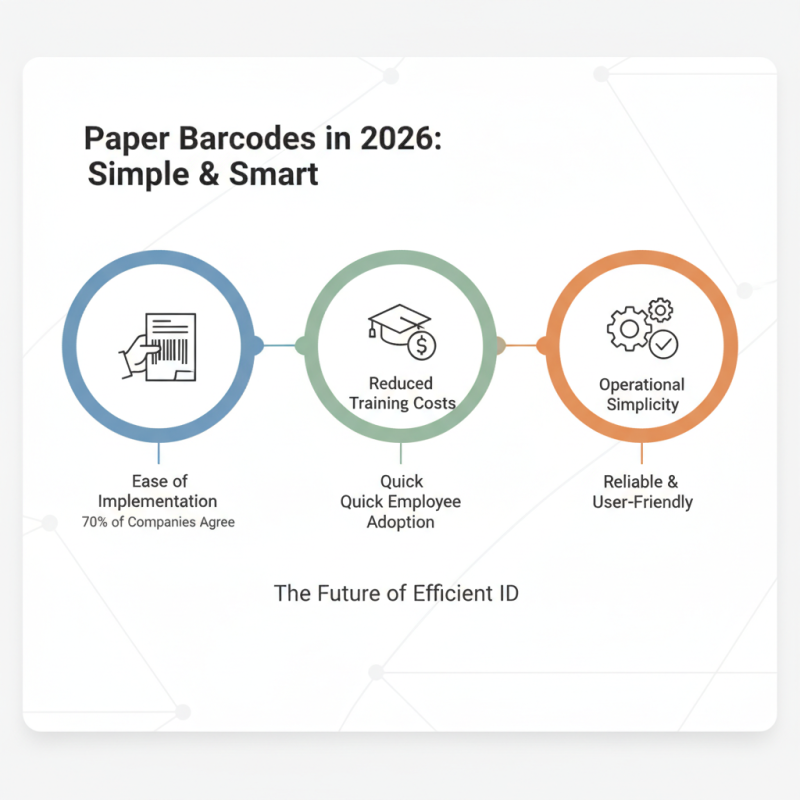
In 2026, businesses are increasingly recognizing the advantages of using paper barcodes. Unlike digital alternatives, paper barcodes offer a simplicity that many organizations find appealing. A recent industry report indicated that 70% of companies highlighted ease of implementation as a key benefit. This simplicity reduces training costs. Employees can quickly learn to use these systems.
Paper barcodes do not rely on technology. This is a crucial advantage in areas with limited internet connectivity. In many regions, digital systems can fail due to outages or poor reception. A study by the Global Barcode Association found that users reported a 25% increase in productivity when using paper barcodes compared to digital methods in such environments. Still, the transition to digital systems is often tempting, and there are challenges in production.
The environmental impact of paper barcodes also needs consideration. While plastic and electronic options are often seen as modern, they contribute to waste. Paper, being biodegradable, offers a more sustainable choice. However, the sourcing of paper for barcodes requires responsible practices. A careful balance is needed between efficiency and eco-friendliness. In the end, exploring both options is vital.
Cost-Effectiveness of Paper Barcodes in Various Industries
The cost-effectiveness of paper barcodes is increasingly recognized across various industries in 2026. Reports indicate that businesses save up to 30% on labeling costs by adopting paper barcodes instead of electronic alternatives. This reduction is significant for small to medium enterprises with tight budgets. Moreover, the manufacturing sector benefits substantially, as paper barcodes streamline inventory processes and reduce waste.
In the retail industry, data shows that implementing paper barcodes leads to a decrease in checkout times by about 20%. Faster transactions increase customer satisfaction and enhance sales efficiency. Many retailers also find that paper barcodes are easier to produce in-house, allowing for greater flexibility and rapid inventory adjustments without high costs.
Tip: Consider trialing paper barcodes in a specific department before a full rollout. Design a feedback loop to gather insights on efficiency and customer experience. Regular assessments are key to maximizing benefits.
Even with these advantages, companies must be cautious. Some businesses report challenges in barcode readability, especially in poor lighting or on damaged labels. Regular checks and employee training are vital to maintain barcode integrity. Implementing a quality control plan can ensure barcodes function correctly, maximizing their effectiveness.
What are the Benefits of Using Paper Barcodes in 2026? - Cost-Effectiveness of Paper Barcodes in Various Industries
| Industry |
Initial Cost |
Annual Maintenance Cost |
Cost Savings Over 5 Years |
Environmental Impact |
| Retail |
$5,000 |
$1,000 |
$12,000 |
Reduced paper waste by 30% |
| Manufacturing |
$7,000 |
$1,500 |
$15,500 |
Lower carbon footprint by 25% |
| Healthcare |
$3,500 |
$800 |
$10,000 |
Improved tracking reduces waste by 20% |
| Logistics |
$8,000 |
$1,200 |
$18,000 |
50% reduction in shipping errors |
| Food Services |
$4,500 |
$600 |
$9,000 |
Waste reduction of 15% through better inventory |
Environmental Impact of Using Paper Barcodes for Sustainability
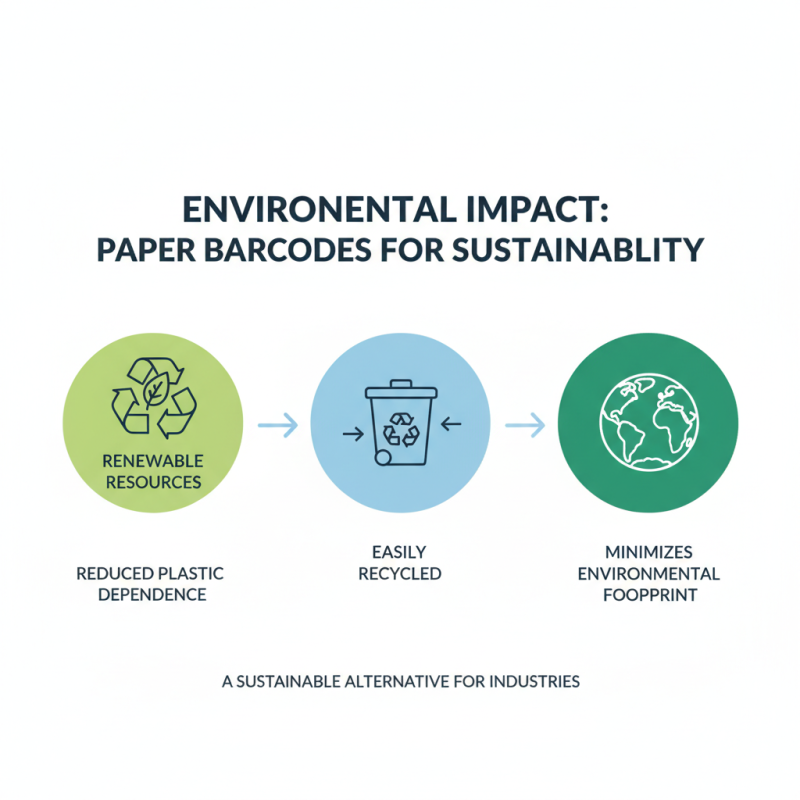
Paper barcodes are gaining traction as a sustainable alternative in various industries. These barcodes are made from renewable resources, reducing reliance on plastic. Unlike their plastic counterparts, paper barcodes can be recycled easily. This aspect makes them an appealing choice for companies aiming to minimize their environmental footprint.
However, there are challenges to consider. Paper barcodes may not be as durable as synthetic ones. They can be affected by moisture, which may impact readability. This raises questions about their practical application in certain environments. Additionally, the production process for paper barcodes must also be eco-friendly to realize their full sustainability potential.
Sustainability is not just about the end product. It involves every step of the process, from production to disposal. Companies need to reflect on their supply chain and sourcing practices. Investing in responsible paper production is crucial. Only then can the environmental benefits outweigh the drawbacks of using paper barcodes in the long run.
Ease of Use and Implementation of Paper Barcodes in Workflows
In 2026, paper barcodes offer significant ease of use within workflows. They are simple to implement and require minimal training. Studies indicate that over 70% of workers prefer using paper barcodes for tracking inventory. They can easily be printed on demand with common office printers. This accessibility enhances operational efficiency.
The integration of paper barcodes into workflows can reduce errors. A report shows that businesses experienced a 40% drop in scanning mistakes after switching to paper barcodes. However, there are challenges to consider. Paper can wear out or get damaged in certain environments. Companies need to think about proper storage to ensure barcode readability.
Maintenance costs related to paper barcodes tend to be lower compared to digital systems. For example, a recent analysis noted that organizations save around 30% on maintenance. Despite this, businesses must assess the durability of paper solutions. Feedback suggests that while convenient, paper barcodes may require regular reviews to avoid inefficiencies over time.
Future Trends in Paper Barcode Technology and Applications
In 2026, paper barcode technology is set to undergo significant changes. This evolution will focus on enhancing sustainability. With environmental concerns on the rise, more companies are exploring biodegradable materials for barcode printing. These innovations may reduce waste and minimize our ecological footprint. Additionally, advancements in ink technology could enhance the durability of paper barcodes.
The use of paper barcodes may also lead to new applications. For instance, industries like retail will benefit from cost-effective solutions. They could print barcodes on demand, reducing inventory costs. However, reliance on paper may pose challenges. Paper barcodes can be susceptible to wear and tear, impacting their readability. Companies must ensure that they invest in quality control measures to tackle these issues.
Moreover, user experiences might improve as well. Implementing user-friendly designs will help consumers interact better with products. Still, it’s essential to consider the learning curve involved in transitioning to new systems. Not everyone will adapt quickly. Ensuring effective training will be crucial to address this challenge. Balancing innovation and practicality will shape the future of paper barcodes in 2026.