Why Choose Plastic Labels for Your Business: Benefits and Applications Explained
In today's competitive business landscape, branding and product presentation are crucial for attracting and retaining customers. One effective way to enhance these elements is through the use of plastic labels. As a versatile solution, plastic labels offer a multitude of benefits that can significantly impact a company’s marketing strategy and operational efficiency. Unlike traditional paper labels, plastic labels are designed to withstand various environmental conditions, making them ideal for both indoor and outdoor applications.
Plastic labels are not only durable but also customizable, allowing businesses to showcase their brand identity through vivid colors and unique designs. This adaptability extends to their functionality, as plastic labels can serve multiple purposes, from product identification to providing essential information about usage and care. Whether for labeling products in a retail environment, organizing inventory in warehouses, or enhancing packaging, plastic labels prove to be an invaluable resource for businesses looking to stand out in the marketplace. Ultimately, understanding the benefits and applications of plastic labels can empower businesses to make informed decisions that boost professionalism and consumer appeal.
Benefits of Plastic Labels for Business Operations
Plastic labels have become increasingly popular in various business operations due to their remarkable durability and adaptability. Unlike paper labels, plastic labels can withstand moisture, chemicals, and extreme temperatures, making them ideal for industries such as manufacturing, food processing, and pharmaceuticals. According to a report by Smithers Pira, the global market for plastic labels is projected to reach $36 billion by 2024, driven by the rising demand for sustainable and high-performance labeling solutions. This growth is attributed to the increasing emphasis on product traceability and safety, necessitating labels that can endure tough environments.
Additionally, plastic labels offer customization options that enable businesses to enhance their branding and visual appeal. With advanced printing technologies, companies can produce vivid graphics and intricate designs that capture consumers' attention. A study by the Label Industry Global Statistics Report indicates that more than 48% of brand owners consider label design a critical factor in their marketing strategy. This underscores the importance of investing in quality plastic labels that not only serve a practical purpose but also contribute to brand differentiation in a competitive market. By utilizing plastic labels, businesses can streamline their operations while enhancing their overall brand image.
Durability and Resistance: Why Plastic Labels Outperform Paper
Plastic labels are increasingly becoming the preferred choice for businesses looking for
durable and resistant labeling solutions. One of the
main advantages of plastic labels over traditional paper labels is their superior
durability. Made from materials such as
polyethylene or
polypropylene, plastic labels can withstand
harsh environmental conditions, including moisture, sunlight, and extreme temperatures.
This makes them ideal for industries like
manufacturing,
food and beverage, and
outdoor products, where
labels are often exposed to challenging elements.
In addition to their durability, plastic labels offer enhanced resistance to tearing and
fading. While paper labels can wear out quickly, leading to information loss and the need
for frequent replacements, plastic labels maintain their integrity over time. Their
waterproof and
chemical-resistant properties
ensure that important information remains legible and intact, which is crucial for
compliance and consumer safety. Moreover, the flexibility of plastic allows for various
applications, from waterproof tags on clothing to robust labels for equipment, ensuring
that businesses can find a reliable labeling solution for any need.
Versatility in Applications: Industries That Utilize Plastic Labels
Plastic labels are increasingly becoming a popular choice across various industries due to their robustness and adaptability. These labels are widely used in retail, where they can withstand the rigors of everyday handling while maintaining their visual appeal. In contexts ranging from clothing tags to product labels in grocery stores, plastic labels provide necessary information while being durable against moisture, tearing, and fading. Their ability to print high-quality graphics and text makes them ideal for branding purposes in competitive retail environments.
In addition to retail, plastic labels play a crucial role in manufacturing and logistics industries. They are often used for asset tracking and inventory management, where their resilience ensures long-lasting usability in demanding conditions. Chemical, pharmaceutical, and food and beverage sectors also rely heavily on plastic labels due to their resistance to various environmental factors, including exposure to moisture and chemicals. This versatility not only enhances identification and organization but also helps in complying with regulatory requirements. As businesses seek solutions that offer both durability and flexibility, the adoption of plastic labels continues to rise across these diverse applications.
Benefits of Plastic Labels Across Various Industries
Cost-Effectiveness: Long-Term Savings with Plastic Labeling Solutions
Plastic labels have emerged as a preferred choice for businesses seeking cost-effective and durable labeling solutions. According to a recent report by the Labeling Industry Global Market Study, plastic labels have seen a significant increase in demand, with the market expected to grow by over 5% annually over the next five years. This can be attributed to their long lifespan and resistance to environmental factors, effectively reducing the need for frequent replacements. Businesses utilizing plastic labeling solutions can save approximately 30% to 50% in label-related expenditures over time, especially when compared to paper labels which may fail in adverse conditions.
When considering plastic labels, it's essential to look at their versatility across various applications. From food and beverage industries to chemical packaging, plastic labels are designed to withstand moisture, chemicals, and UV exposure, ensuring that the information remains intact and legible. Investing in plastic labels not only provides immediate benefits such as improved aesthetic appeal and brand recognition but also contributes to long-term savings by minimizing labor costs associated with label changes and replacements.
Tips: When choosing plastic labels for your business, assess your specific needs regarding durability and application environment. Additionally, consider sourcing from suppliers who offer custom solutions tailored to your product specifications, as this can enhance your branding efforts while securing long-term cost savings. Ensure that you regularly review your labeling strategy to align with evolving industry standards and sustainability practices.
Why Choose Plastic Labels for Your Business: Benefits and Applications Explained
| Dimension |
Detail |
| Material Durability |
Highly resistant to water, chemicals, and UV light. |
| Cost-Effectiveness |
Lower long-term cost with fewer replacements required. |
| Customization Options |
Available in various colors, shapes, and sizes. |
| Weight |
Lightweight, making them easier to ship and apply. |
| Application Versatility |
Suitable for various industries including food, retail, and manufacturing. |
| Environmental Impact |
Recyclable options are available to minimize waste. |
| Visibility |
High-quality printing options enhance readability and appeal. |
Customization Options: Enhancing Brand Identity with Plastic Labels
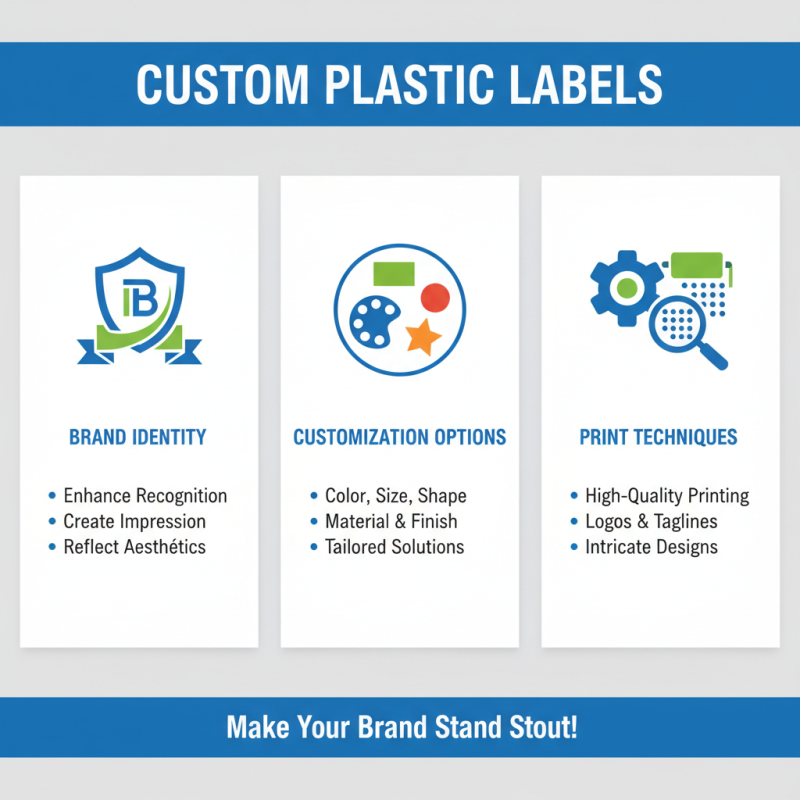
Customizing plastic labels offers a powerful way to enhance brand identity and create a lasting impression on customers. With a variety of customization options, businesses can design labels that reflect their unique brand aesthetics. This includes choices in color, size, shape, and finishes, allowing for tailored solutions that stand out on shelves or during promotions. Furthermore, high-quality printing techniques make it possible to incorporate logos, taglines, and even intricate designs, ensuring that your brand is both recognizable and memorable.
When selecting plastic labels, consider the durability and versatility they offer. For businesses operating in challenging environments, such as in the food industry or outdoor settings, plastic labels can withstand moisture, UV exposure, and temperature fluctuations, maintaining their appearance and effectiveness. To make the most of customization options, businesses should focus on using brand colors and fonts consistently across all labels. This strategy not only reinforces the brand image but also fosters customer loyalty through familiarity.
**Tips:** Always test your label designs on a small scale before full production to see how they interact with various materials and environments. Additionally, consider feedback from customers on label designs to ensure they resonate well with your target audience.