2026 Top Eftpos Rolls Trends for Global Buyers?
As the payments landscape evolves, Eftpos Rolls are gaining traction among global buyers. With the rise of digital transactions, these rolls play a vital role in enhancing point-of-sale efficiency. According to a recent report by Market Insights, the demand for Eftpos Rolls is projected to increase by 20% annually through 2026. This statistic highlights the growing reliance on efficient transaction methods.
Industry expert James T. Reynolds, a leading analyst at Payment Solutions, stated, "Eftpos Rolls are a crucial element for retailers adapting to consumer needs." His insights reflect the importance of these rolls in providing reliable service, but they also underscore challenges in production sustainability. Manufacturers must balance quality with environmental impact.
Despite the advancements, the Eftpos Rolls market faces uncertainties. Manufacturers may struggle with sourcing raw materials. Price volatility in the paper market poses additional risks. The industry must innovate to ensure resilience. Keeping customers satisfied while navigating these challenges is essential for success.
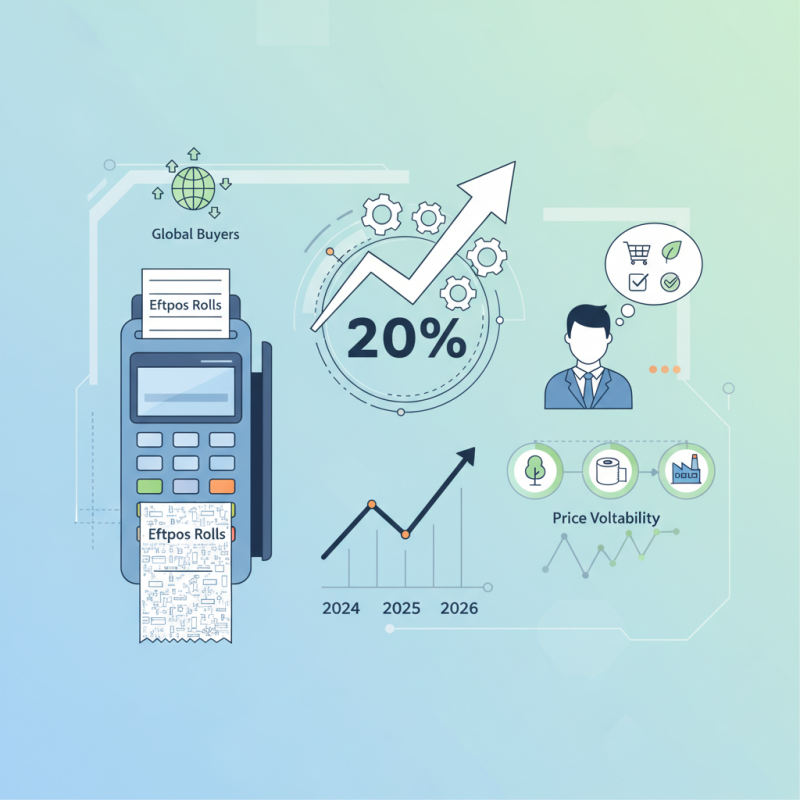
2026 Eftpos Roll Trends: An Overview for Global Buyers
In 2026, the Eftpos roll landscape is evolving rapidly. Various factors are influencing these changes. Understanding the dynamics behind the trends is crucial for global buyers. Enhanced technology integration is a key trend. Buyers should expect more user-friendly features. This shift aims to improve transaction efficiency while ensuring security.
Another significant trend is increased customization. Businesses will look for tailor-made solutions. Generic options may no longer be sufficient. Customers desire offerings that cater to specific needs. The demand for personalized services is growing. Yet, balancing customization and cost remains a challenge.
Sustainability also plays a role in shaping future trends. Eco-friendly materials are gaining traction. Buyers are becoming more aware of their environmental impact. However, sourcing sustainable options can be difficult. Suppliers must navigate the complexities of sustainability while maintaining quality. The evolving landscape requires constant adaptation and reflection on existing practices.
Emerging Technologies in Eftpos Rolls for 2026
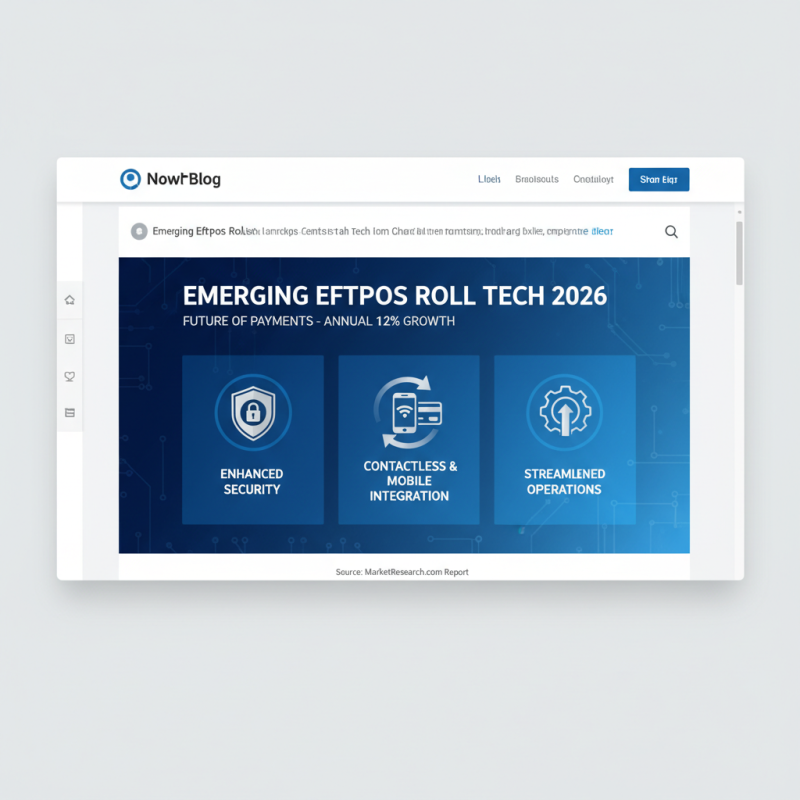
In 2026, emerging technologies in Eftpos rolls are expected to transform the industry. A recent report from MarketResearch.com indicates that the Eftpos market will grow by 12% annually, driven by advancements in security and efficiency. Innovations like contactless payment options and mobile integration will be at the forefront. These features not only enhance customer experience but also streamline operations for businesses.
Data security remains a critical concern. As cyber threats evolve, the industry is investing heavily in protecting transaction data. Enhanced encryption methods and biometric authentication are emerging as key strategies. Reports indicate that 43% of consumers are worried about the security of their payment information. Addressing these concerns is essential for gaining customer trust in the evolving landscape.
Moreover, sustainability is becoming a focal point. Companies are exploring biodegradable materials for Eftpos rolls. This shift aims to reduce environmental impact while maintaining quality. However, the balance between sustainability and performance poses challenges. Many businesses are finding it hard to integrate eco-friendly materials without compromising on durability. Innovation must continue to address these gaps.
Sustainability and Eco-friendly Practices in Eftpos Production
Sustainability in Eftpos production is gaining traction. As consumers become more eco-conscious, businesses are adapting. A report by the Global Eftpos Association states that 70% of buyers prefer sustainable products. This trend influences manufacturers to reconsider their methods.
The focus on eco-friendly practices includes using recycled materials. For instance, many manufacturers are now sourcing plastics from recycled sources. This shift reduces waste and lowers carbon footprints. Additionally, energy-efficient production processes are being adopted. A recent study shows that shifting to renewable energy can cut production emissions by up to 40%.
Tip: Consider how your choices impact the environment. Opt for Eftpos products that prioritize sustainability.
However, challenges remain. Not all companies uphold these ideals. Some use misleading labels that do not reflect true sustainability efforts. Consumers must remain vigilant and informed.
Tip: Research brands and their sustainability claims. Look for third-party certifications for authenticity.
Transparency in supply chains is crucial. Clear communication from manufacturers about their practices fosters trust. As awareness grows, companies can better align with consumer values. This shift can potentially reshape the Eftpos landscape.
Market Demand and Consumer Preferences Shaping Eftpos Trends
The evolving landscape of Eftpos technology reflects changing market demands and consumer preferences. With increasing reliance on digital payments, the need for speed and security becomes paramount. Customers expect seamless transactions, reducing wait times and enhancing their shopping experience. This desire drives innovation in Eftpos systems, encouraging features like contactless payments and mobile integration.
Moreover, consumer preferences indicate a stronger inclination towards personalized services. Users appreciate tailored promotions and rewards linked to their spending habits. Businesses must analyze transaction data to create targeted offers. However, balancing personalization with privacy concerns remains a challenge. Many consumers express discomfort with excessive data tracking, indicating the need for transparent practices.
As the market matures, Eftpos systems must adapt not only to technological advancements but also to changing social norms. Users seek intuitive interfaces and reliable customer support. A gap exists between expectations and current offerings, highlighting opportunities for improvement. Companies must remain agile, consistently seeking feedback to refine their services. Embracing consumer insights will be essential for staying relevant in this competitive arena.
2026 Eftpos Trends: Market Demand and Consumer Preferences
Global Challenges and Opportunities in Eftpos Roll Distribution
The EFTPOS market is currently facing significant challenges, but it also presents numerous opportunities for global buyers. Issues like supply chain disruptions have heightened the need for resilient distribution channels. According to recent industry reports, 65% of businesses encountered delays in delivery during the last year. These delays can affect consumer confidence and vendor relationships.
Furthermore, evolving technologies are reshaping EFTPOS distribution. Contactless payment options surged by 50% in adoption over the past two years, indicating a shift in consumer preferences. However, not all regions are ready to embrace these changes. Some areas still struggle with outdated systems, creating a divide in accessibility. Understanding these regional disparities is essential for global buyers aiming to navigate the market effectively.
Data shows that 40% of buyers are now looking for suppliers that can offer flexible payment solutions. Companies must adapt to this changing landscape. Training and technology integration will be critical. Yet, many businesses still lag in these aspects. Overcoming these barriers can lead to a significant competitive advantage in the evolving EFTPOS landscape.
2026 Top Eftpos Rolls Trends for Global Buyers
| Region |
Market Size (USD Billion) |
Growth Rate (%) |
Key Trends |
Challenges |
| North America |
20.5 |
5.2 |
Contactless payments, digital wallets |
Regulatory changes, cybersecurity threats |
| Europe |
18.3 |
4.8 |
EMV adoption, NFC technology |
Fragmented regulations, high competition |
| Asia-Pacific |
15.2 |
6.5 |
Mobile payment growth, blockchain |
Infrastructure limitations, regional disparity |
| Latin America |
8.4 |
7.1 |
Increased digital payments, integration of AI |
Economic instability, lack of trust in digital systems |
| Middle East & Africa |
4.6 |
8.0 |
Growth of fintech, cashless society initiatives |
Political instability, technological adoption barriers |