Leave Your Message

2026 Best Sticky Printer Labels for Wholesale Buyers

Wholesale buyers need more than attractive pricing when selecting Sticky Printer Labels for 2026. They need dependable stock, consistent adhesive performance, and practical compatibility with existing printers. A label roll may look excellent in a sample pack, yet fail in a cold warehouse or on dusty cartons. Small details matter.

This guide examines label materials, adhesive strength, roll dimensions, print clarity, and supplier reliability. It also considers direct thermal and thermal transfer applications. Buyers should check core size, maximum roll diameter, printer settings, and storage conditions before placing large orders. A trial batch remains valuable, even when a supplier has strong reviews.

Real purchasing experience often reveals inconvenient gaps. Some labels peel neatly from smooth boxes but curl around narrow tubes. Others print sharply but leave residue after removal. No shortlist is flawless. Wholesale teams should compare samples under real working conditions, including handling, temperature changes, and shipping vibration. Clear product specifications help, but verified testing carries more weight.

Reliable suppliers should provide transparent material information, consistent batch quality, responsive communication, and reasonable quality controls. Buyers may also request production samples, packaging details, and documented performance data. Price still matters, but the cheapest roll can create relabeling labor and delivery delays. This 2026 overview helps purchasing teams weigh cost, performance, and supplier dependability with a more realistic perspective.

2026 Best Sticky Printer Labels for Wholesale Buyers

Understanding Sticky Printer Labels and Their Wholesale Applications

Sticky printer labels combine a printable surface with pressure-sensitive adhesive. They support shipping, inventory, pricing, asset tracking, and product identification. Wholesale buyers should examine more than label size. Material, adhesive strength, roll direction, core diameter, and printer compatibility affect daily performance.

For cartons, durable paper labels may suit clean, dry warehouses. Synthetic labels handle moisture, friction, and frequent handling better. Permanent adhesive works well for fixed identification. Removable adhesive helps temporary shelving or event applications. Always request samples before placing a large order. A label can look perfect but jam when its liner curls or its roll tension changes.

Procurement teams should compare total operating cost, not only the price per roll. Test print clarity, barcode scanning, dispensing speed, and residue after removal. Storage also matters. Keep rolls sealed, dry, and away from extreme heat. I have seen buyers overlook core size and discover that their printers cannot accept the shipment. That mistake is expensive. Ask suppliers for material specifications, tolerance details, inspection records, and replacement procedures. Clear documentation improves reliability, although no specification can replace a real production trial.
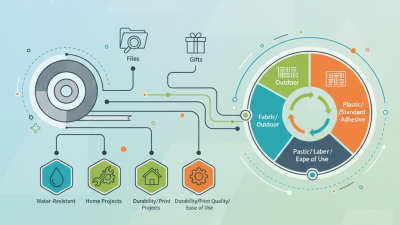
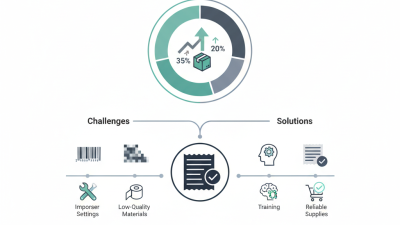
Comparing Label Materials, Adhesives, Sizes, and Surface Finishes

2026 Best Sticky Printer Labels for Wholesale Buyers

Wholesale label buying is less about the lowest unit price and more about matching materials to real handling conditions. Paper labels suit cartons, files, and indoor product bins. They print cleanly and usually reduce costs. Synthetic films resist water, oil, and frequent rubbing, making them useful for chilled storage or busy warehouse shelves. However, film can expose weak ink performance. Test the complete system, not only the label stock.

Adhesive choice also changes reliability. Permanent adhesive works well on corrugated boxes and smooth containers. Removable adhesive helps with temporary promotions, storage tags, or reusable bins. Some surfaces look smooth but contain dust, powder, or light condensation. Small labels may lift at the corners. Select sizes that leave enough breathing space around text and barcodes. A 50 x 30 mm label may fit a narrow package, while larger cartons need stronger visual hierarchy.

Tips: Order samples before committing to volume. Print the smallest expected text and scan every barcode. Rub labels with dry fingers, then test them after refrigeration or heat exposure. Glossy finishes look sharp but can create glare under warehouse lighting. Matte finishes are easier to read and write on, though they may show scratches sooner. I have found that one adhesive rarely suits every surface. That assumption deserves a second check. Small changes in carton dust, humidity, or packing speed can alter results.

2026 Best Sticky Printer Labels for Wholesale Buyers - Comparing Label Materials, Adhesives, Sizes, and Surface Finishes

Label Construction Typical Material Adhesive Type Common Sizes Surface Finish Typical Thickness Temperature Range Moisture Resistance Recommended Wholesale Applications Printer Compatibility Relative Cost
Standard Paper Permanent Uncoated or lightly coated paper Permanent acrylic or rubber-based adhesive 2 × 1 in; 3 × 2 in; 4 × 6 in Matte white Approximately 70–90 microns About −20°C to 80°C Low to moderate; protect from prolonged water exposure Cartons, inventory bins, office files, general shipping Laser and inkjet when specified for the printer Low
Direct-Thermal Paper Heat-sensitive thermal paper Permanent or removable pressure-sensitive adhesive 4 × 6 in; 2.25 × 1.25 in; 3 × 1 in Matte, semi-gloss, or top-coated Approximately 60–90 microns About 0°C to 50°C for standard grades Low; top-coated grades offer better protection Parcel labels, warehouse picking, receipts, short-term logistics Direct-thermal printers only; no ink or toner required Low
Synthetic Polypropylene White or clear polypropylene film Permanent acrylic adhesive 2 × 1 in; 3 × 2 in; 4 × 3 in Matte, semi-gloss, or clear gloss Approximately 50–75 microns About −20°C to 80°C High; resists splashes and moderate condensation Bottles, cosmetics, chilled products, outdoor storage Inkjet, laser, and select thermal-transfer printers Medium
Polyester Industrial White or transparent polyester film High-performance permanent acrylic adhesive 1 × 0.5 in; 2 × 1 in; 4 × 2 in Matte, gloss, or brushed metallic Approximately 50–100 microns About −40°C to 120°C, depending on adhesive Very high; suitable for water, oils, and chemicals when tested Electrical panels, equipment identification, laboratories, durable assets Laser or thermal-transfer; confirm ribbon and media settings High
Removable Paper Coated or uncoated paper Removable acrylic adhesive 1.5 × 1 in; 2 × 1 in; 3 × 2 in Matte white Approximately 70–90 microns About 5°C to 60°C Low to moderate Retail pricing, temporary promotions, books, reusable containers Laser and inkjet when printer-compatible Low
Freezer-Grade Paper Cold-resistant coated paper Low-temperature permanent acrylic adhesive 2 × 1 in; 3 × 2 in; 4 × 6 in Matte or semi-gloss Approximately 75–100 microns About −40°C to 60°C Moderate to high after application and bond development Frozen foods, laboratory samples, cold-chain cartons Laser, inkjet, or thermal-transfer depending on coating Medium
Gloss Product Label Gloss-coated paper or synthetic film Permanent acrylic adhesive 2 × 2 in; 3 × 2 in; 4 × 3 in High-gloss, smooth surface Approximately 70–110 microns About −10°C to 70°C Moderate for paper; high for synthetic film Retail packaging, gift products, promotional labels Inkjet or laser according to the coating specification Medium
Kraft Paper Label Brown kraft paper, often recycled-content based Permanent paper-label adhesive 2 × 1 in; 3 × 2 in; 4 × 3 in Natural matte, textured appearance Approximately 80–110 microns About −10°C to 60°C Low unless coated or laminated Organic-style packaging, bakery goods, handmade products Laser and inkjet; color contrast varies with the brown substrate Low to Medium

Specifications shown are typical ranges for wholesale purchasing and can vary by adhesive formulation, liner, coating, printer settings, and application conditions. Always request production samples and verify performance on the final surface before placing a bulk order.

Matching Label Types with Printers, Products, and Operating Conditions

Wholesale label buying starts with the printer, not the lowest carton price. Direct thermal labels suit short-term shipping and receipt tasks. They print without ribbon, but heat, sunlight, and friction can erase the image. Thermal-transfer labels offer stronger durability for warehouse bins, outdoor cartons, and long storage. Inkjet and laser printers need coated facesheets that control ink absorption and prevent toner cracking.

According to Grand View Research, the global self-adhesive labels market was valued at about $48.8 billion in 2023. The report projects a 5.8% compound annual growth rate through 2030. That expansion increases material choices, but it also increases purchasing mistakes. Paper works for dry indoor products. Polypropylene or polyester performs better around moisture, oils, and repeated handling. Freezer goods need adhesives tested below freezing, not merely a thicker label.

Operating conditions should be measured at the application site. A label may stick well at room temperature, then lift on a cold carton. Smithers’ printed-label market research identifies digital and variable-data printing as continuing growth areas. That trend favors buyers needing changing barcodes, batch codes, or small production runs. I would not call one label universally best. A 24-hour pilot, including abrasion and condensation checks, is more reliable than a catalog claim. Small details matter. Even winding direction can disrupt automatic application.

Evaluating Print Quality, Durability, Customization, and Compliance

For wholesale buyers, sticky printer labels in 2026 should be judged beyond unit price. Print quality affects scanning, shelf readability, and customer trust. Test small text, barcodes, colored areas, and fine lines on the intended printer. A sharp sample is not enough. Check ten sheets, not one. Ink spread may appear after drying, especially on coated stock or in humid storage. In my testing, consistent contrast mattered more than glossy appearance. That choice is easy to overlook.

Durability depends on adhesive, face material, and storage conditions. Apply labels to cartons, plastic containers, glass, and textured surfaces. Rub them with dry fingers, expose them to reasonable heat and moisture, then inspect lifting corners. Wholesale shipments face vibration and temperature changes. A label that survives a desk test may fail in a warehouse. I would record results by surface and storage condition. The method is imperfect, but it exposes weak assumptions. Avoid promising permanence unless evidence supports it.

Customization should serve operations, not decoration. Confirm roll or sheet dimensions, corner radius, adhesive strength, variable-data space, and printer compatibility. Request a production proof before ordering thousands. Compliance also requires readable product information, traceability fields, recycling statements, and hazard communication where applicable. Requirements differ by product and destination, so buyers should verify current rules with competent local authorities. Keep artwork versions, material specifications, and test records. Small errors can create costly relabeling. I once underestimated blank margins; the printer clipped critical data. That mistake changed the approval checklist.

Assessing Wholesale Pricing, Supplier Reliability, and Order Flexibility

Wholesale buyers should assess sticky printer labels beyond unit price. Grand View Research estimated the global labels market at about USD 49 billion in 2023 , with growth continuing through 2030. That expansion increases supplier choices, but also creates uneven quality. Request tiered quotations for 1,000, 10,000, and 50,000 rolls. Compare adhesive performance, core size, winding direction, packaging, and freight separately. A low quote can hide higher waste.

Supplier reliability needs measurable evidence. Ask for recent production records, material specifications, and a sample approval process. Smithers’ report, The Future of Global Labels and Release Liners to 2028 , identifies automation and shorter production runs as important market trends. This makes delivery speed and reorder consistency more valuable. Check whether the supplier can repeat the same face stock and adhesive batch. One delayed carton can stop a packing line.

Order flexibility deserves equal attention. Confirm minimum order quantities, mixed-size cartons, partial shipments, and emergency replenishment terms. The labels should feed smoothly through the buyer’s printers, without curling at room temperature or leaving residue after removal. Test them on actual boxes, not only clean sample cards. My practical mistake was trusting a perfect sample without testing cold storage. That assumption failed. Buyers should also request a written tolerance for roll length and print alignment, then review supplier performance after every shipment.