2025 Top Trends in Paper Labels: Innovations and Best Practices You Can't Miss
In the rapidly evolving world of packaging, the significance of paper labels is becoming increasingly paramount. As we approach 2025, industry professionals are keenly observing how innovations in design, sustainability, and technology are shaping the future of paper labels. These labels not only serve as a critical means of communication for consumers but also offer brands a canvas for creativity and storytelling. With the growing emphasis on eco-friendly practices, the demand for biodegradable and recyclable paper labels is on the rise, prompting manufacturers to develop more sustainable options that meet consumer preferences.
In this overview of the top trends in paper labels, we will explore the latest advancements and best practices that are set to redefine label solutions in various sectors. From digital printing techniques that enhance customization to improved adhesive technologies that ensure durability, the advancements are as diverse as they are impactful. As businesses strive to enhance their brand visibility and consumer engagement, understanding these trends will be essential for staying ahead in this competitive market. Join us as we delve into the innovations that are shaping the landscape of paper labels and the best practices that no industry stakeholder can afford to overlook.

Emerging Technologies Shaping the Future of Paper Labels in 2025
The future of paper labels in 2025 is poised to be significantly shaped by emerging technologies that enhance efficiency and sustainability. One of the most promising innovations is the integration of smart label technology, which incorporates RFID (Radio Frequency Identification) capabilities. This allows for real-time inventory tracking and better supply chain management, minimizing waste and improving operational efficiency. As businesses increasingly prioritize sustainability, the use of biodegradable inks and recycled materials in label production will also become more prevalent, appealing to environmentally conscious consumers.
Additionally, advancements in digital printing technologies are revolutionizing the paper label market. Digital presses enable shorter print runs with greater customization, allowing brands to adapt swiftly to market demands without the limitations of traditional printing methods. This flexibility not only reduces waste but also allows companies to experiment with limited editions and personalized labels, creating a more engaging customer experience. As technology continues to evolve, paper labels will not only maintain their importance but will also embrace innovative features that cater to both businesses and consumers alike.
2025 Top Trends in Paper Labels: Innovations and Best Practices
This chart displays the projected trends in paper labels for 2025, highlighting key innovations and best practices. The data indicates significant growth in sustainable materials, digital printing technology, and smart labeling solutions.
Sustainable Practices: Eco-Friendly Paper Labels and Their Impact
The push for sustainability in the packaging industry has gained unprecedented momentum, particularly in the realm of paper labels. Eco-friendly paper labels are being recognized not only for their reduced environmental impact but also for their ability to enhance brand value. According to a report from Smithers Pira, the global market for sustainable packaging is projected to reach $500 billion by 2025, signifying a robust shift toward environmentally responsible practices. This growth is driven by increasing consumer demand for transparency and sustainability in products, making eco-friendly paper labels a critical element of modern branding strategies.
The production of paper labels using recycled and sustainably sourced materials has profound implications for reducing waste, conserving resources, and minimizing carbon footprints. The sustainability report by the Ellen MacArthur Foundation states that if businesses fully embraced circular economy principles, they could reduce greenhouse gas emissions by 45% by 2030. Furthermore, innovative developments such as water-based inks and compostable adhesives are making it easier for brands to commit to eco-friendliness without sacrificing quality or aesthetic appeal. As more companies adopt sustainable practices, the impact of these choices will redefine the packaging landscape and set new standards in the industry.
2025 Top Trends in Paper Labels: Innovations and Best Practices You Can't Miss
| Trend |
Description |
Impact |
Sustainability Score (1-10) |
| Biodegradable Materials |
Use of materials that break down naturally in the environment. |
Reduces landfill waste and promotes environmental health. |
9 |
| Recycled Paper Labels |
Labels made from post-consumer recycled paper. |
Conserves resources and reduces the need for virgin materials. |
8 |
| Digital Printing Technology |
Advanced printing methods that minimize waste and energy use. |
Enhances customization while lowering the carbon footprint. |
7 |
| Plant-Based Inks |
Inks derived from natural, renewable resources. |
Promotes safer print processes and reduces toxicity. |
8 |
| Smart Labels |
Integration of QR codes and NFC technology for better tracking. |
Improves supply chain transparency and customer engagement. |
6 |
Customization Trends: Personalized Paper Labels for Diverse Markets
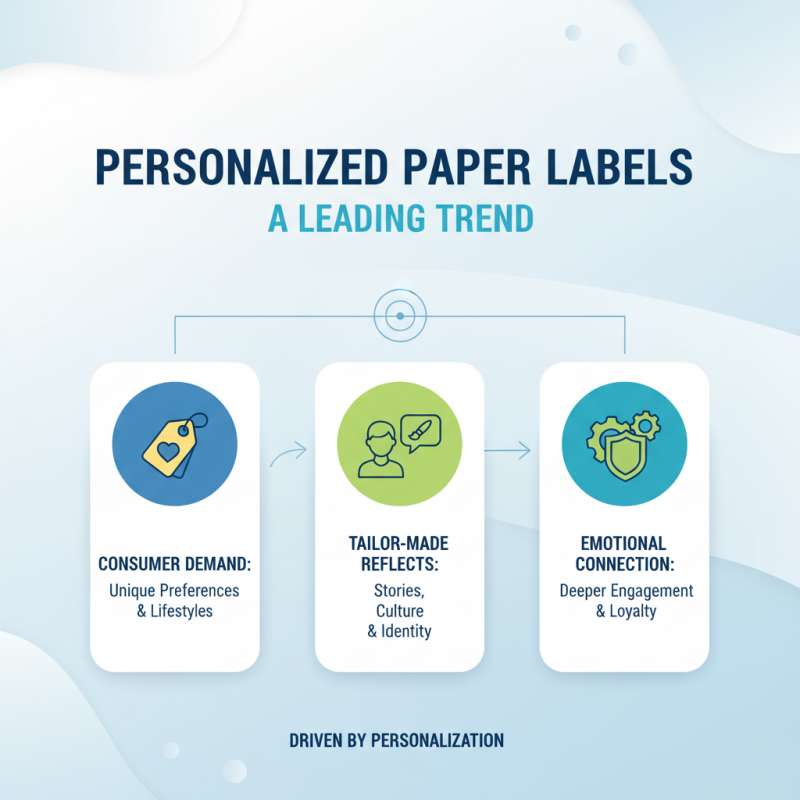
The customization of paper labels has emerged as a leading trend across various industries, driven by the demand for personalization. As consumers increasingly seek products that resonate with their individual preferences and lifestyles, businesses are adapting by offering tailor-made paper labels that reflect personal stories, cultural backgrounds, and unique identities. This trend extends beyond mere aesthetics; it taps into the emotional connection between consumers and brands, allowing for deeper engagement and loyalty.
Moreover, advances in printing technology and digital solutions have revolutionized the customization process, making it more accessible for small and medium-sized enterprises. These developments enable quick turnaround times for personalized labels, allowing brands to offer limited edition releases and seasonal variations that cater to specific market segments. From artisanal products to eco-friendly packaging, personalized paper labels are becoming a critical component in differentiating brands in crowded marketplaces, thus enabling them to meet the diverse preferences of their clientele. This focus on customization not only enhances the consumer experience but also fosters an environment of creativity and innovation within the label industry.
Enhancing User Experience: Innovative Design Strategies for Labels
Innovative label design strategies are crucial for enhancing user experience and ensuring that products stand out in a competitive market. One of the key trends in 2025 will be the use of interactive elements in paper labels, such as QR codes and augmented reality features. These elements allow consumers to engage with the product in a more meaningful way. By scanning a code or utilizing AR technology, users can access additional information, promotional content, or even tutorials on how to use the product effectively. This level of interaction not only enriches the consumer’s experience but also fosters a deeper connection with the brand.
Another important aspect of innovative label design is sustainability. As consumers grow more environmentally conscious, the demand for eco-friendly materials and practices is increasing. Labels made from recycled paper and biodegradable inks not only appeal to eco-minded customers but also enhance the overall perception of the brand. Furthermore, incorporating minimalistic and clean designs helps in reducing the amount of material used while also improving readability and aesthetic appeal. By prioritizing sustainability and functionality in label design, companies can create a positive impact while meeting consumer expectations in 2025 and beyond.
Regulatory Changes and Compliance in the Paper Label Industry for 2025
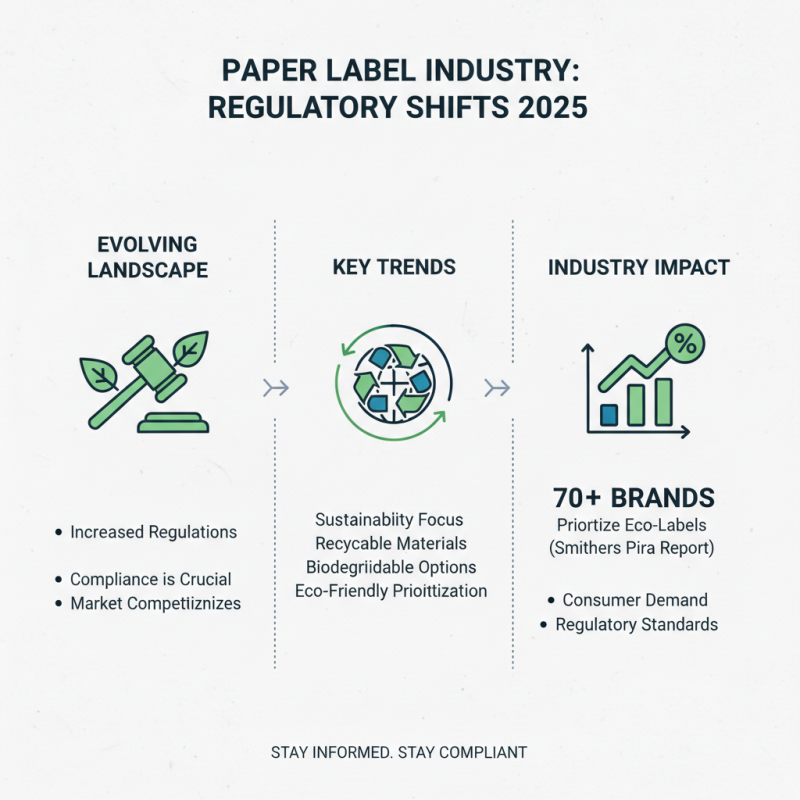
As the paper label industry evolves, regulatory changes and compliance requirements are becoming increasingly important for manufacturers and brands in 2025. With the rise of sustainability and environmental consciousness, new regulations surrounding the use of recyclable and biodegradable materials are emerging. According to a recent industry report by Smithers Pira, over 70% of top packaging brands are prioritizing eco-friendly label options to meet both consumer demand and regulatory standards. Companies must stay informed about these changes to remain competitive and compliant in a rapidly shifting market.
To navigate these regulations effectively, businesses should implement a robust compliance strategy that includes regular assessments of labeling materials and practices. This strategy can help identify potential areas of non-compliance before they become costly issues. Additionally, keeping abreast of regional regulations is crucial, as requirements can vary significantly. For instance, the European Union has introduced strict guidelines regarding labeling accuracy and the use of hazardous substances, which could impact labeling choices worldwide.
**Tip:** Invest in training programs for your team that focus on current regulatory standards and best practices in labeling compliance. This not only fosters a culture of awareness but also encourages proactive measures in addressing potential compliance risks.
Furthermore, brands should leverage technology to streamline their compliance processes. Utilizing labeling software that incorporates regulatory updates can significantly reduce the risk of errors and ensure that all packages meet current standards. By embracing these innovations, companies not only enhance their operational efficiency but also align with the growing consumer expectation for transparency and responsibility in product sourcing and labeling.