Top 2025 Roll Label Paper Trends: Eco-Friendly, Customizable & Versatile Solutions
In the fast-evolving landscape of packaging and labeling, roll label paper stands at the forefront of innovation and sustainability. As businesses and consumers become increasingly conscious of their environmental impact, the demand for eco-friendly solutions has surged. The year 2025 is witnessing a remarkable transformation in the roll label paper industry, characterized by trends that prioritize sustainability, customization, and versatility. These trends are not merely a passing phase but a reflection of a broader commitment to responsible consumption and innovative design.

The emergence of eco-friendly roll label paper options showcases the industry's dedication to reducing waste and utilizing sustainable materials. Businesses are now able to make purchasing decisions that align with their values, promoting a greener future while effectively branding their products. Moreover, the customizable nature of roll label paper allows companies to tailor their labels to specific needs, enhancing their market presence and consumer connection. Alongside these advancements, the versatility of roll label paper finds applications across various industries, making it an indispensable component of modern packaging strategies. As we delve into the top ten trends for roll label paper in 2025, we will explore how these developments are shaping the future of labeling solutions.
Emerging Eco-Friendly Materials in Roll Label Paper Production for 2025
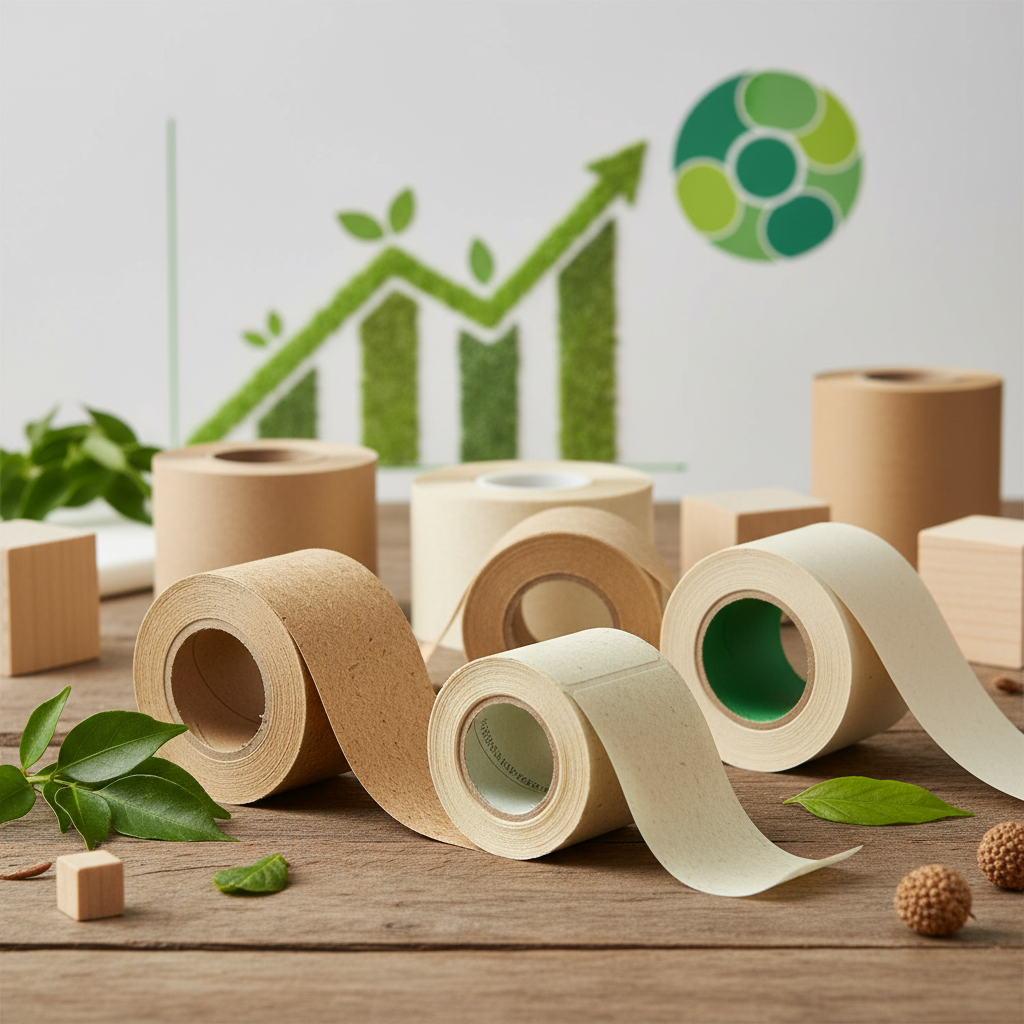
As the demand for sustainable packaging continues to rise, the roll label paper industry is evolving towards more eco-friendly materials for 2025. Research by Smithers Pira indicates that the global sustainable labels market is projected to grow at a compound annual growth rate (CAGR) of 4.7%, reaching USD 25 billion by 2025. This shift is largely driven by consumer preferences for products that align with environmental responsibility. Manufacturers are increasingly turning to biodegradable and compostable materials, such as recycled paper and plant-based plastics, ensuring that their roll labels not only meet regulatory standards but also cater to the green consumer trend.
Increasingly, innovations like water-based inks and the use of soy inks are enhancing the eco-friendliness of roll label production. According to the "2021 Label Industry Global Market Statistics" report, nearly 30% of label producers are now utilizing eco-conscious printing techniques, significantly reducing their carbon footprint. Companies that incorporate these emerging materials will not only gain a competitive edge but also contribute positively to environmental conservation efforts. With customizable features that allow for unique designs and branding opportunities, eco-friendly roll label solutions are set to become a staple in packaging strategies for various industries by 2025.
The Rise of Customizable Roll Label Papers: Meeting Diverse Consumer Needs
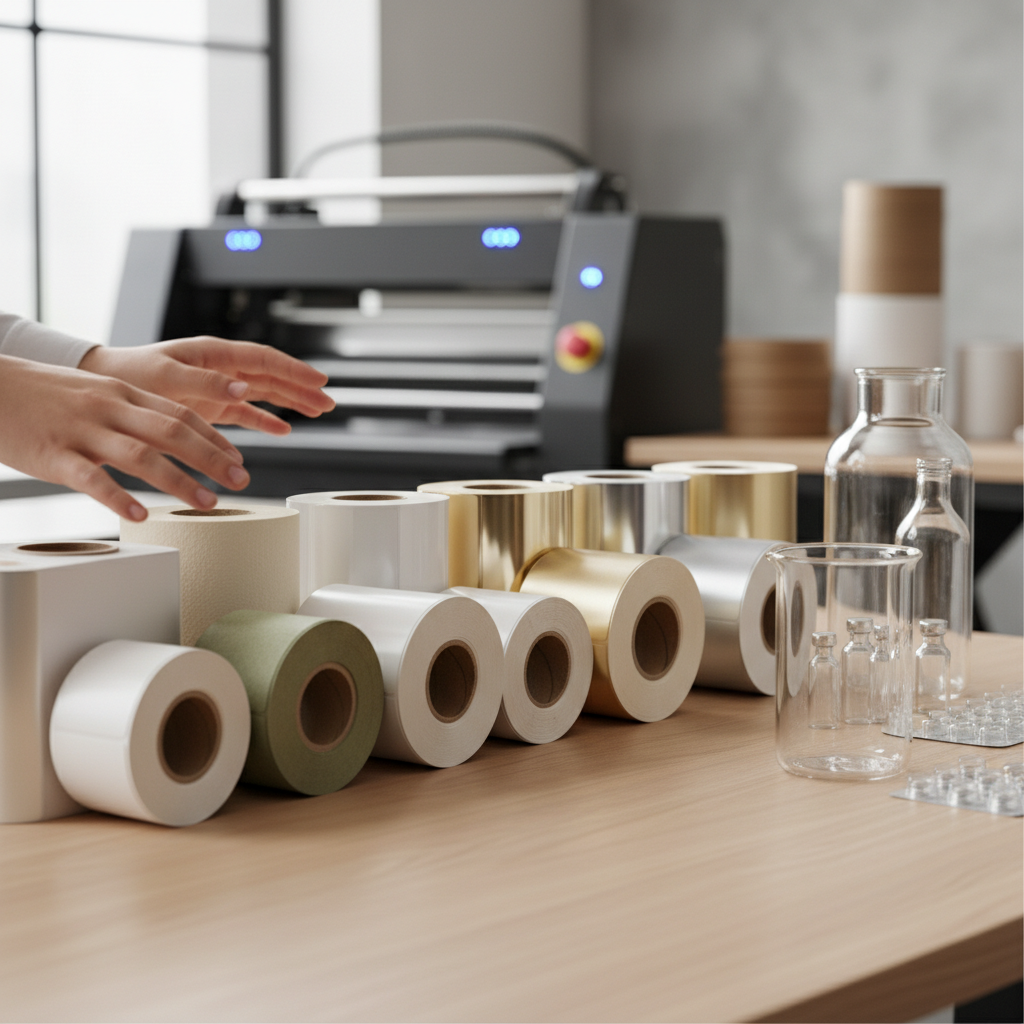
The rise of customizable roll label papers is reshaping the labeling industry, as businesses increasingly seek tailored solutions to meet diverse consumer preferences. According to a recent report by Smithers Pira, the global label market is projected to grow at a CAGR of 4.4% between 2020 and 2025, highlighting the increasing demand for personalized products. This growth is predominantly driven by sectors such as food and beverage, cosmetics, and pharmaceuticals, where unique branding and product differentiation are crucial.
The ability to customize roll label papers not only enhances brand identity but also addresses the varying needs of consumers. Features such as varying shapes, sizes, finishes, and adhesives provide businesses with the flexibility to create labels that cater to their specific products and packaging requirements. In fact, a survey by the Label Academy revealed that 62% of brands consider customization essential in their packaging strategy, emphasizing the trend's significance. As sustainability becomes further ingrained in consumer values, the demand for eco-friendly label solutions is also on the rise, making customizable roll label papers a versatile option for modern businesses.
Market Demand for Versatile Roll Label Solutions: Analyzing Growth Statistics
The market for versatile roll label solutions is experiencing significant growth, driven by an increasing demand for customizable and eco-friendly options. As companies look to differentiate themselves in a crowded marketplace, these roll labels offer a practical solution to enhance brand visibility and recognition. The push toward sustainability is also shaping consumer preferences, prompting manufacturers to adopt environmentally friendly materials and processes in their label production.
In industries like automotive, where marketing strategies must adapt to rapidly changing consumer behaviors, the adoption of roll label solutions can be pivotal. As demonstrated by unique marketing approaches like the "new festival" concept, brands are finding innovative ways to engage consumers and stand out in a saturated market. The trend towards customization not only allows for personalized branding but also caters to the rise of small businesses and limited runs, reflecting a shift toward more tailored consumer experiences. This evolution in the labeling landscape underscores the importance of adaptability and sustainability in meeting modern market demands.
Top 2025 Roll Label Paper Trends
Sustainability in Labeling: The Impact of Eco-Conscious Choices on Brand Perception
In today’s market, sustainability is more than just a buzzword; it's a key differentiator for brands. According to a report from Nielsen, 73% of consumers are willing to change their consumption habits to reduce environmental impact. This growing eco-consciousness affects how customers perceive brands, especially in labeling solutions. Eco-friendly roll label papers, made from recycled materials or biodegradable options, not only align with these values but also enhance brand loyalty. Companies embracing sustainable practices often see a 50% increase in customer trust, emphasizing the positive impact of eco-conscious choices on brand perception.
Tips for brands looking to enhance their sustainability include using water-based inks and minimizing packaging waste. Investing in customizable products can also strengthen consumer connection, as personalized labels resonate more deeply with environmentally aware customers. Additionally, clearly communicating your sustainable practices on the labels themselves can significantly influence purchasing decisions; research shows that 60% of consumers feel more positive about a brand that transparently showcases its eco-initiatives.
Overall, the shift towards more sustainable and versatile labeling solutions is not just beneficial for the planet, but it also creates a strong competitive edge in an increasingly eco-focused market.
Technological Innovations Driving the Future of Roll Label Paper Design and Production
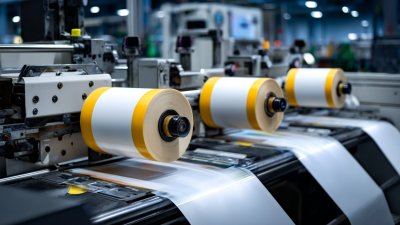
Technological advancements are revolutionizing the landscape of roll label paper design and production. Innovations such as digital printing techniques enable manufacturers to produce highly customizable labels on demand. This flexibility supports small batch sizes, allowing businesses to experiment with unique designs without the risk of large-scale waste. Furthermore, these technologies increase the precision of label printing, ensuring that colors and details are rendered with remarkable accuracy, which is crucial for branding and consumer appeal.
In addition to customization, sustainable materials and processes are reshaping roll label paper production. New eco-friendly substrates, made from recycled or plant-based materials, are being combined with water-based inks and adhesives to minimize environmental impact. These innovations are particularly appealing to companies aiming to improve their corporate social responsibility while meeting consumer demands for greener products. As these technologies evolve, we can expect a wider range of options that not only enhance aesthetic value but also contribute positively to our planet.